

Adult Social Care Training in the UK: What Needs to Improve in 2026?
Adult social care workers carry enormous responsibility. Every day they enter vulnerable people’s homes, provide personal care, support medication management, prepare meals, assist with mobility, safeguard wellbeing, and often become the first people to notice changes in physical or mental health. Yet despite the complexity and importance of the role, many frontline care workers in England can begin working in adult social care without holding a formal adult social care qualification.
This raises an important question for adult social care training UK policy in 2026 and beyond. Are care workers receiving the level of training, support, and professional development needed to safely meet the increasingly complex demands of modern care?
The debate extends far beyond qualifications alone. Effective care worker training is essential for maintaining high care standards, protecting vulnerable adults, and ensuring people receive safe, person-centred support. It is also vital for addressing the long-standing challenges facing the social care workforce, including low pay, limited career progression, skills shortages, staff retention difficulties, and the lack of professional recognition many care workers continue to experience.
As the UK’s population ages and care needs become increasingly complex, the demand for a highly skilled and well-trained workforce has never been greater. The sector requires carers who are confident in areas such as dementia care, medication management, nutrition, mobility support, safeguarding, and person-centred care. Delivering this level of support consistently requires investment in training, qualifications, career development, and workforce standards.

My interest in this issue is not just professional, it is deeply personal. I became an unexpected family carer more than five years ago. During that time, I discovered first-hand the physical, emotional, and mental demands that caring for a loved one can place on an individual. Having previously worked in corporate management and self-employment, I found family caregiving to be one of the most challenging responsibilities I had ever undertaken.
Wanting to better understand professional care practice, I enrolled on a Level 2 Adult Social Care course. Completing the qualification often meant studying late at night and during weekends while continuing my caring responsibilities. The experience significantly increased my knowledge, confidence, and understanding of adult social care legislation, safeguarding requirements, person-centred care, and the legal responsibilities involved in supporting vulnerable adults.
The training also highlighted an important reality. Good care is not simply about compassion and good intentions. It requires knowledge, practical skills, critical thinking, professional standards, and ongoing learning. Without proper training, carers can find themselves managing complex situations for which they have received little preparation.
Recently, I witnessed an example that reinforced these concerns. While shopping at my local supermarket, I noticed a young care support worker accompanying two older adults with learning difficulties. After speaking with her, she explained that she had recently started the role, had no formal care qualifications, and very little previous experience. Yet she had been entrusted with supporting two vulnerable adults in the community.
This is not a criticism of that individual. In fact, many dedicated care workers provide outstanding support despite receiving limited formal training. The real concern is whether the system itself is doing enough to prepare people for such significant responsibilities.
My own family’s experiences have raised similar questions. Over the years, we have encountered considerable variations in knowledge, skills, confidence, and care standards among different carers. Some have held recognised care qualifications, while others have had little formal training. The result can be inconsistent care experiences for the people who rely on these services most.
The challenge facing adult social care is not whether carers are compassionate or committed. The challenge is whether the sector is providing consistent, high-quality training and professional development that equips workers to meet increasingly complex care needs safely and effectively.
According to Skills for Care, only 45% of England’s adult social care workforce, excluding regulated professions, had a relevant social care qualification recorded in 2024/25. While qualifications alone do not determine competence, the statistic highlights the significant responsibility placed on employers to train, assess, and support staff appropriately.
To create a sustainable future for adult social care, the sector needs meaningful reform. A mandatory entry-level qualification, combined with a structured career pathway similar to the nursing profession, could help establish consistent training standards, improve recruitment and retention, support professional development, and provide clearer progression opportunities for care workers. Most importantly, it would help ensure that people receiving care benefit from a workforce equipped with the knowledge, skills, and confidence needed to deliver high-quality support.
Ultimately, improving adult social care training in the UK is not just about strengthening the workforce. It is about improving outcomes for the millions of older and vulnerable people who depend on social care services every day.
Where Are the Main Skills Gaps in Adult Social Care?
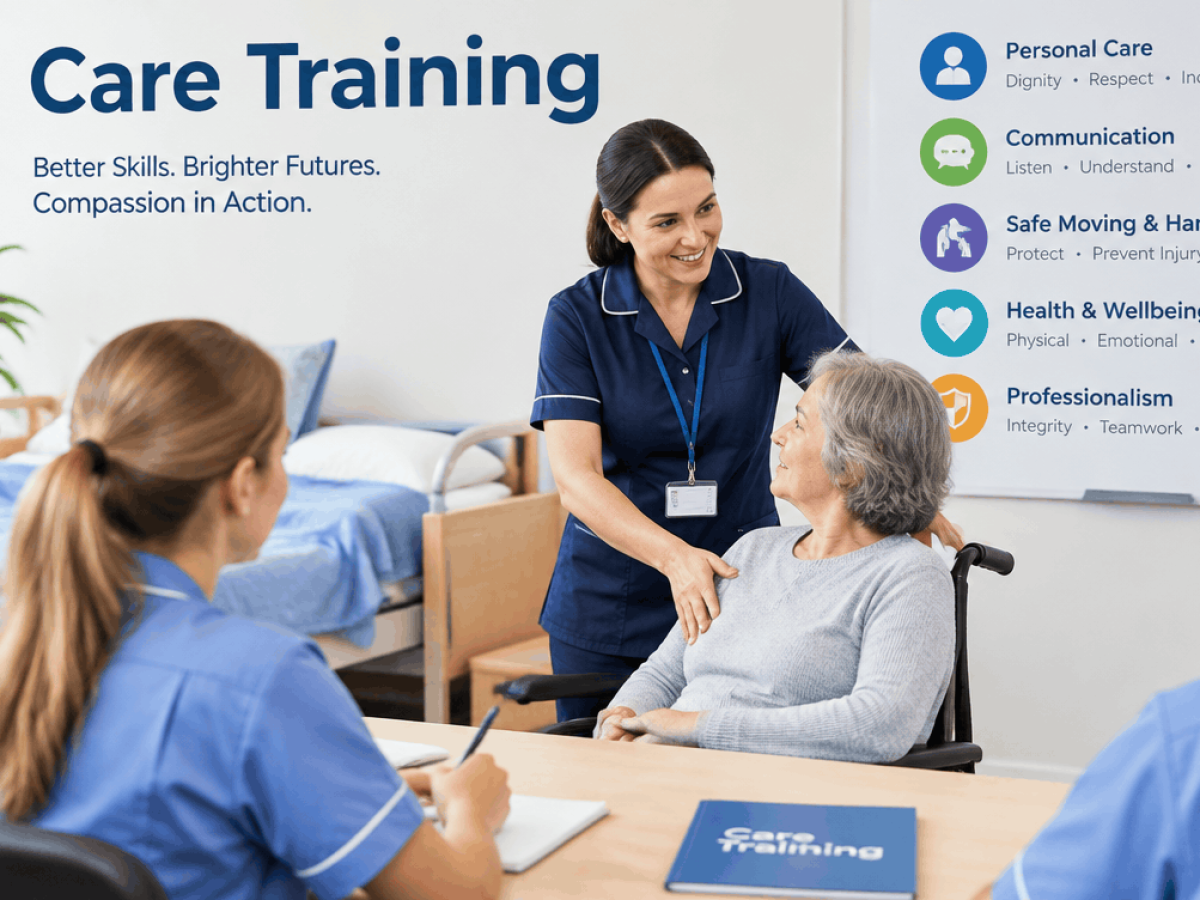
The need for health and social care training improvements becomes increasingly clear as carers support older people with more complex health conditions, longer life expectancy, and growing care needs. Modern care workers are often the first professionals to notice warning signs such as weight loss, dehydration, reduced mobility, confusion, memory problems, mental health concerns, learning difficulties or changes in behaviour. Yet preventative care, dementia support, and nutritional awareness are not always given sufficient focus within existing adult social care training UK programmes.
Strengthening workforce skills in these areas could help to improve the quality of care for older people, support independent living, and reduce avoidable hospital admissions.
Dementia Care Remains One of the Largest Training Gaps
Dementia is one of the most significant and growing challenges facing the adult social care sector. The Alzheimer’s Society estimates that around 982,000 people in the UK are currently living with dementia, with this figure expected to rise to 1.4 million by 2040. Despite the increasing need for specialist support, Skills for Care reports that only 29% of adult social care staff in England have received dementia-specific training.
This highlights a major gap in adult social care training. Supporting a person with dementia requires far more than a basic understanding of the condition. Care workers need the knowledge and practical skills to recognise different types of dementia and understand how symptoms can affect memory, communication, behaviour, mood, eating habits, mobility, decision-making, and the ability to carry out everyday tasks.
Effective dementia care training should also equip staff to respond appropriately to confusion, distress, anxiety, agitation, wandering, and other behavioural and psychological symptoms of dementia. In addition, carers need training in person-centred approaches that help maintain dignity, independence, and quality of life while reducing avoidable distress for the individual and their family.
Improving dementia-focused social care staff training would help carers provide safer, more compassionate, and more effective support. It can also lead to better outcomes for people living with dementia, reduce unnecessary hospital admissions, strengthen communication with families, and ensure individuals receive the personalised care they need as their condition progresses.
Preventative Care Requires Greater Focus
Adult social care should not only respond to older people with poor health but also help prevent it. Carers are uniquely positioned to identify early signs that an older person’s health may be declining, including reduced appetite, dehydration, increasing frailty, mobility difficulties, social withdrawal, or a loss of confidence in daily activities.
This makes preventative care an essential part of adult social care training UK. Care workers should be trained to recognise risks early, promote healthy ageing, and understand when specialist intervention may be required.
Countries such as Japan and Sweden have developed preventative approaches that emphasise regular health monitoring, nutrition and hydration support, physical activity, reablement services, falls prevention, and mental wellbeing. Expanding preventative care skills across the UK social care workforce could help older people remain independent for longer while reducing pressure on overstretched NHS services.
Nutrition and Hydration Skills Need Stronger Training
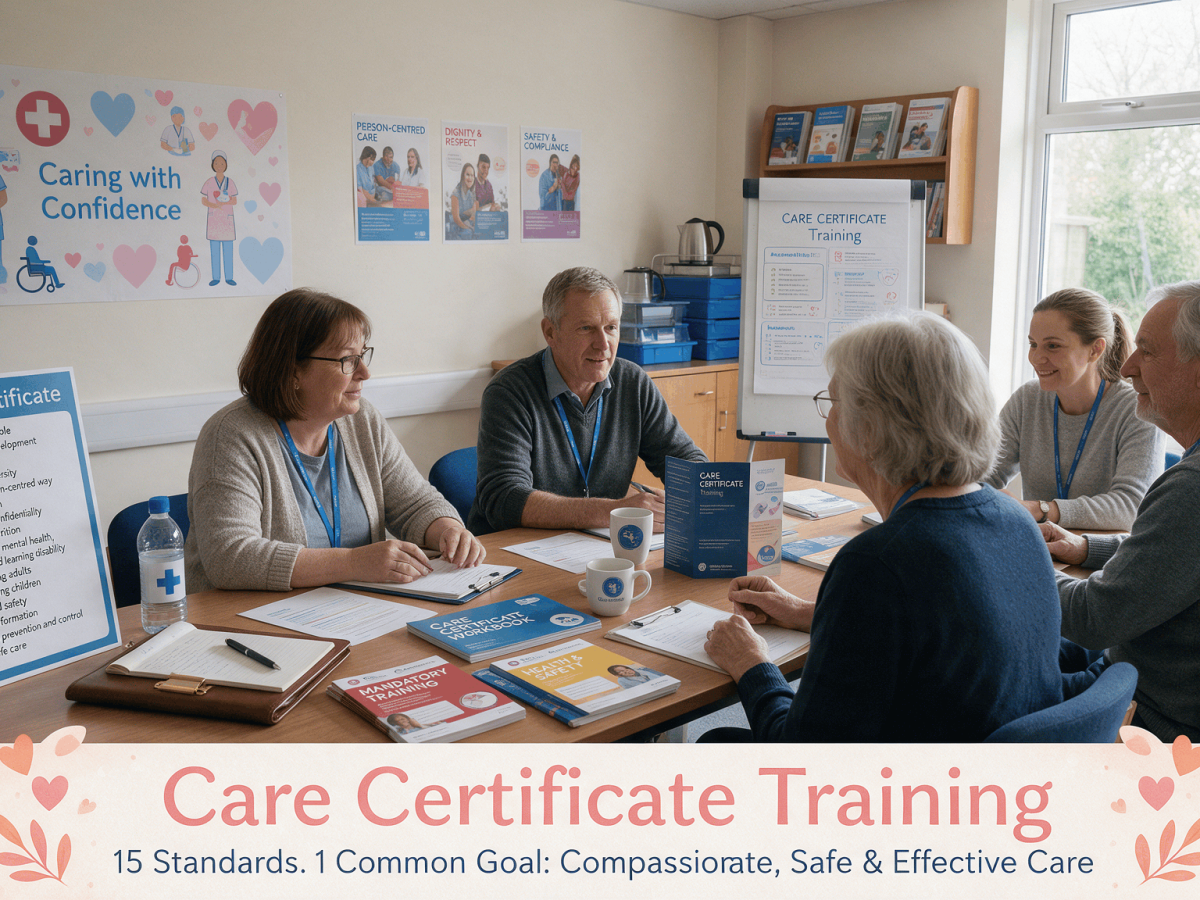
Nutrition and hydration are often viewed as basic care tasks, yet they are fundamental to maintaining health, wellbeing, independence, and quality of life. Poor nutrition and dehydration can increase the risk of falls, infections, hospital admissions, delayed recovery, and worsening long-term health conditions. Care workers are often the first to notice early warning signs such as unexplained weight loss, reduced appetite, dehydration, difficulty swallowing, fatigue, confusion, or changes in a person’s ability to prepare and consume food and drinks independently.
Without the right training, these signs can be overlooked until a person’s health deteriorates significantly. As part of wider adult social care training improvements, care workers should receive practical education on healthy eating, hydration monitoring, recognising the signs and risks of malnutrition, supporting people with swallowing difficulties, and understanding the nutritional needs associated with ageing, dementia, disability, and long-term health conditions.
Training should also help staff provide person-centred nutritional support that respects individual preferences, cultural backgrounds, religious requirements, and specific dietary needs. Equipping care workers with these skills enables earlier intervention, helps prevent avoidable health complications, and supports people to remain healthier and more independent for longer.
Strengthening nutrition and hydration training, alongside improvements in dementia care, preventative care, and communication skills, would help create a more knowledgeable and confident workforce. This would better equip adult social care staff to meet the increasingly complex needs of an ageing population while delivering safer, higher-quality, and more person-centred care.
Why These Training Improvements Will Lead to Better Care
Addressing these critical training gaps is about far more than increasing the number of qualifications available. Adult social care training in the UK must provide carers at every level with the practical knowledge, specialist skills, and confidence needed to recognise risks early, respond effectively to changing needs, and prevent minor concerns from developing into serious health problems.
Investing in workforce development is essential if the sector is to meet growing demand, raise standards of care, and help older people live safely, independently, and with dignity for longer. Better training also strengthens staff retention by helping care professionals feel valued, supported, and equipped to succeed in their roles. Combined with clear career progression opportunities and improved pay, enhanced training can attract new talent to the sector while building a skilled, motivated workforce capable of delivering high-quality care for the future.

Why Is Adult Social Care Training Still Inadequate?
Unlike nursing, adult social care in England lacks a comprehensive national training framework with recognised qualifications, funded development opportunities and clear career progression pathways. As a result, training standards can vary significantly between care providers, creating inconsistencies in workforce skills and the quality of care delivered.
Funding remains a major barrier. In 2024, plans for a £53.9 million Adult Social Care Training and Development Fund, which was expected to support up to 37,000 care workers completing the new Level 2 Adult Social Care Certificate, were withdrawn. Although the Learning and Development Support Scheme (LDSS) now helps employers recover some training costs, funding remains limited and does not provide the structured career development opportunities seen in professions such as nursing.
Carers UK has highlighted that the care sector also relies heavily on unpaid carers. Across the UK, 5.8 million unpaid carers, including 1.7 million providing more than 50 hours of care each week, deliver support valued at an estimated £184 billion annually. With access to recognised qualifications and training, many could help strengthen the workforce and improve care standards.
Skills for Care has also highlighted challenges within the training provider market, including provider closures and concerns that the growth of short online courses does not always deliver the depth of learning needed for high-quality care practice. While online learning has improved accessibility, essential skills such as safeguarding, dementia care, communication and professional judgement are best developed through practical experience, supervision, mentoring and competency-based assessment.
Without greater investment in practical skills training, nationally recognised qualifications and clearer career pathways, adult social care is likely to remain fragmented. A stronger training framework would help create a more skilled, confident and professional workforce while improving the quality and consistency of care for those who rely on support every day.

Adult Social Care Needs Are Becoming More Complex and Demanding
Adult social care is supporting people with increasingly complex needs, including dementia, long-term health conditions, mobility problems, learning disabilities and mental health challenges. Meeting these needs requires more than basic task-based training. Care workers need strong communication, problem-solving and professional judgement to deliver safe, person-centred care.
Training must also place greater emphasis on prevention. Organisations including the Local Government Association LGA, ADASS, Skills for Care and SCIE have highlighted the importance of early intervention to help people maintain their health, wellbeing and independence for longer. Care workers are often the first to notice subtle changes in a person’s condition and are ideally placed to act before problems develop into crises.
The Conversation.com article highlights how countries such as Finland, Japan and Singapore have shown how prevention-focused approaches can improve long-term health outcomes while reducing pressure on health and care services. As the population ages and demand grows, adult social care training must equip workers not only to respond to care needs but also to prevent avoidable decline and support people to live independently for longer.
What Do Current Carer Training Requirements Cover?
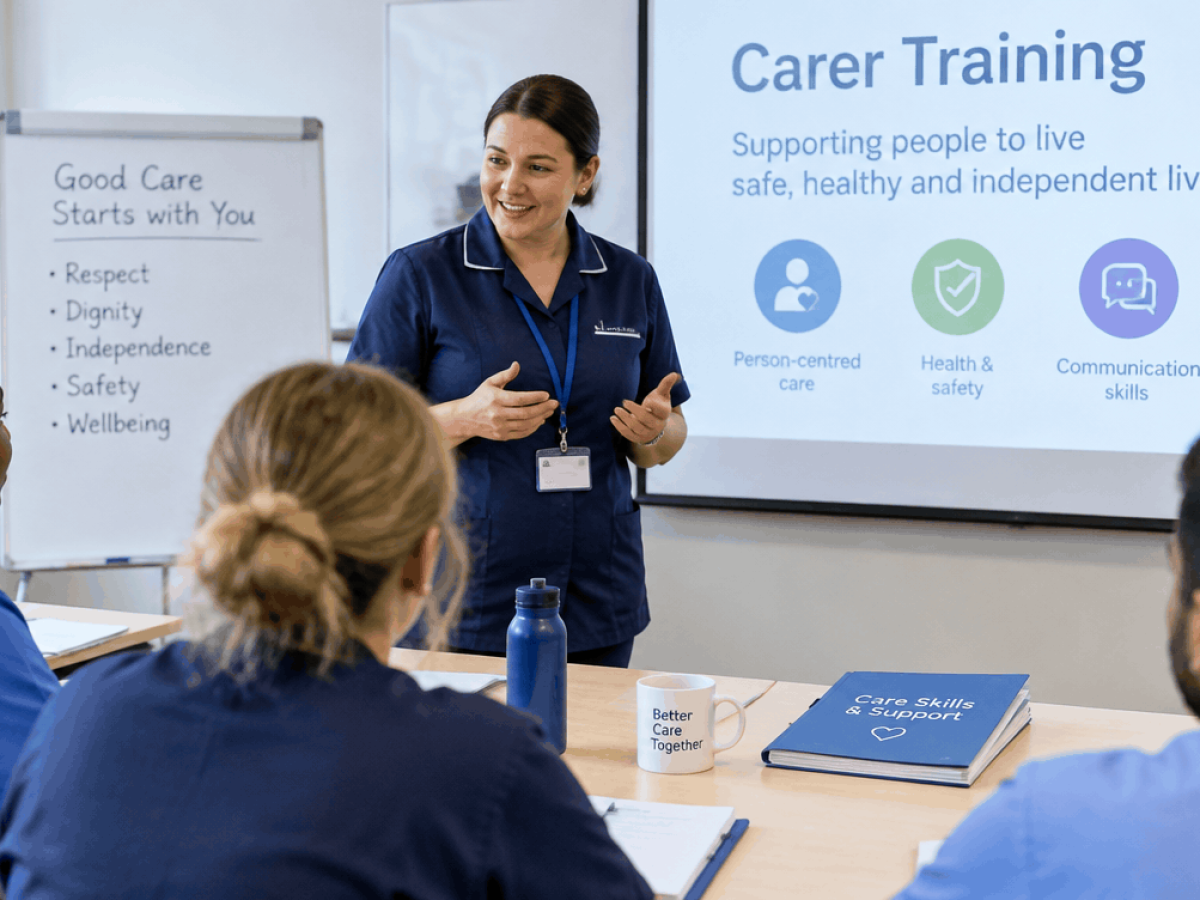
The Care Certificate remains the main introduction to working in health and social care. Updated in 2025 by Skills for Care, NHS England and Skills for Health, it now includes 16 standards, including a new focus on learning disability and autism awareness. Workers must demonstrate practical competence, not just complete knowledge-based learning.
Despite being widely recognised as the foundation for care work, the Care Certificate is not a mandatory qualification. Many care providers recruit people with no previous experience and deliver their own induction and training programmes during the first 12 weeks of employment.
When I began caring for family members at home, I quickly realised how much there was to learn about safeguarding, medication management and legal responsibilities. While researching training options, I found a confusing mix of government-funded courses, private qualifications and employer-led training programmes. I eventually completed a nationally recognised Level 2 Adult Social Care qualification, believing this represented the minimum professional standard.
To my surprise, some paid carers supporting my family had no formal qualifications beyond basic Care Certificate online multiple choice training, while others had years of experience but no formal recognised certification. This highlighted just how inconsistent and fragmented adult social care training can be across the UK.
National standards are important, but a mandatory minimum qualification for professional care workers could help improve consistency, strengthen skills and promote higher-quality care for older and vulnerable people.

Adult Social Care Training UK: My Final Thoughts
Adult social care training in the UK remains too inconsistent, creating significant differences in the quality of care that people receive. Through my own experience as a family carer, I have seen first-hand how gaps in knowledge, practical skills, and staff development can affect the support provided to older people and their families.
At the same time, it is important to recognise the dedication of the care workforce. Every day, thousands of carers provide compassionate support under challenging circumstances, often dealing with staff shortages, increasing workloads, limited career progression opportunities, and relatively low pay. It is unrealistic to expect consistently excellent care without investing in the people responsible for delivering it.
Meaningful reform of adult social care training is now essential. A nationally recognised and mandatory care qualification would be an important step forward, helping to create consistent standards across the sector. Training should extend beyond basic online assessments and place greater emphasis on practical skills, communication, dementia care, learning disability support, digital care technologies, safeguarding, and preventative approaches that help people remain independent for longer.
Better training does more than improve the quality of care. It can also improve staff confidence, increase job satisfaction, strengthen workforce retention, and make the sector more attractive to talented individuals considering a career in care. When combined with clearer career pathways, ongoing professional development, and improved pay and recognition, high-quality training can help build a more skilled, motivated, and professional workforce.
As care needs become increasingly complex and the older population continues to age, improving adult social care training UK standards is no longer a choice but a necessity. Having cared for older family members myself, I understand how much trust families place in those providing support. When care is delivered by knowledgeable, compassionate, and well-trained professionals, it provides reassurance not only to the individual receiving care but also to the family members who care deeply about their wellbeing.
For me, the case for investment in adult care training is clear. Better training leads to better care, better care produces better outcomes, and greater dignity for the people who rely on support. Having experienced both excellent and poor care first-hand, I firmly believe that improving adult social care training is one of the most important investments we can make for older people, carers, families, and the future sustainability of the adult care sector itself.
The Care We Need blog is committed to providing practical guidance, trusted information, and supportive resources to help family carers navigate the challenges of caring for older loved ones while promoting greater awareness of the changes needed to improve adult social care for everyone.