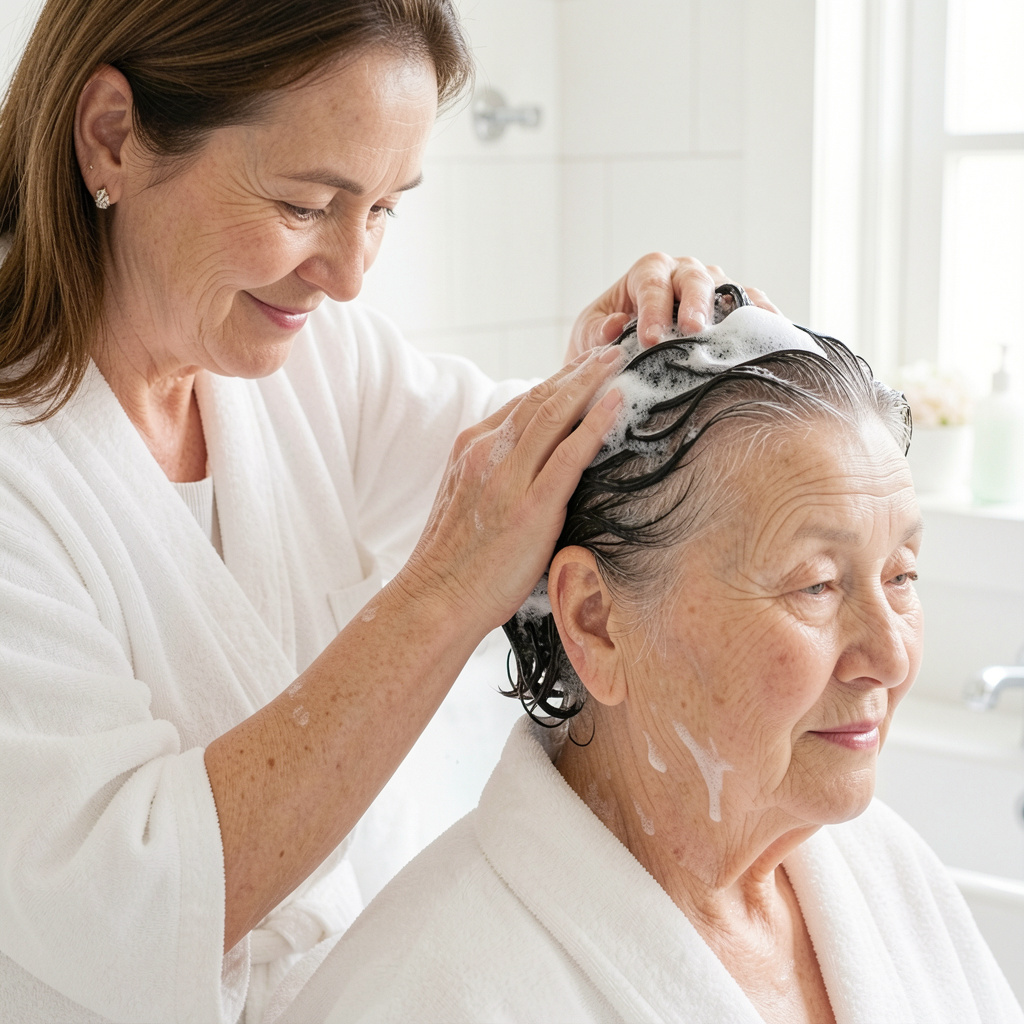
Most older people do not need their hair washed every day. For many, hair washing once or twice a week is enough
The the right routine depends on scalp health, hair type, mobility, sweating, continence needs, skin sensitivity, dementia, mood, and personal preference.
The main answer to how often should an elderly person wash their hair is simple, often enough to keep the scalp clean and comfortable, but not so often that it causes dryness, fatigue, distress, or skin irritation.
Carers know that hair washing is an important part of daily personal hygiene for older people. It can affect dignity, confidence, comfort, scalp health, and trust. NHS guidance on helping someone keep clean also stresses dignity, patience, and extra care when someone has limited mobility.
How Often Should An Older Person Wash Their Hair?
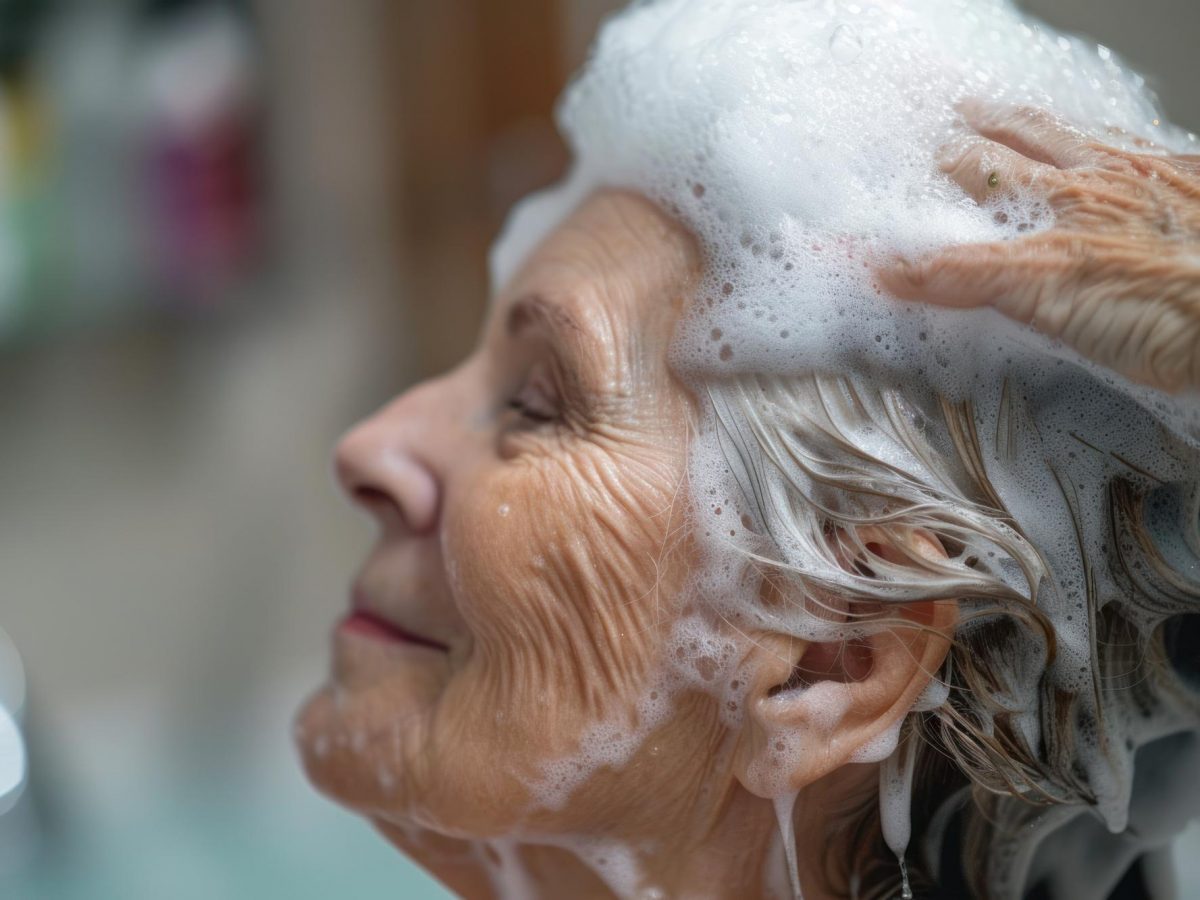
Although our hair collects dust each day, the main reason why hair needs to be washed regularly is oil. Glands on the scalp are constantly producing an oil called sebum to help to keep the hair moisturised. As sebum is produced, the oil slowly works its way from the scalp to the ends of the hair, where it continues to accumulate until the hair is washed.
The scalp of older people doesn’t produce as much sebum. Curly and coarse hair are also known to slow down the rate at which it spreads through the hair, which means that there is no single washing frequency that works best for everyone.
Generally, older people may need to wash their hair only once a week. For older adults who cannot wash their hair once a week, dry shampoos can be used between washes to keep the hair clean.
Washing your hair regularly helps to maintain a healthy scalp. A clean scalp is less prone to issues such as dandruff, itching, and fungal infections.
By keeping the scalp clean and free from a build-up of excess oil, you can reduce the risk of developing these uncomfortable and often embarrassing conditions, allowing your hair to thrive and shine.
Why Daily Hair Washing May Be Too Much
The table below is only a hair washing guide. A person who sweats heavily may need hair washing sooner. A person with fragile skin, pain, fear of water, or dementia may need gentler care with longer gaps between full washes.
| Situation/Problem | Suggested Hair Washing Routine | What Carers Should Notice | |
|---|---|---|---|
| Dry scalp or thinning hair | Once a week may be enough | Dry scalp or thinning hair Once a week may be enough Flaking, itching, redness, irritation | |
| Oily scalp | Two to three times a week | Greasy roots, scalp smell, discomfort | |
| Bedbound person | Once a week, or as needed | Sweating, product build-up, pressure areas | |
| Dementia or distress | Shorter washes when tolerated | Fear, refusal, confusion, agitation | |
| Heavy sweating | More frequent gentle washing | Damp scalp, odour, itching | |
| Sensitive skin | Less frequent washing with mild products | Dryness, stinging, soreness | |
| After illness | As needed for comfort | Weakness, fatigue, infection risk | |
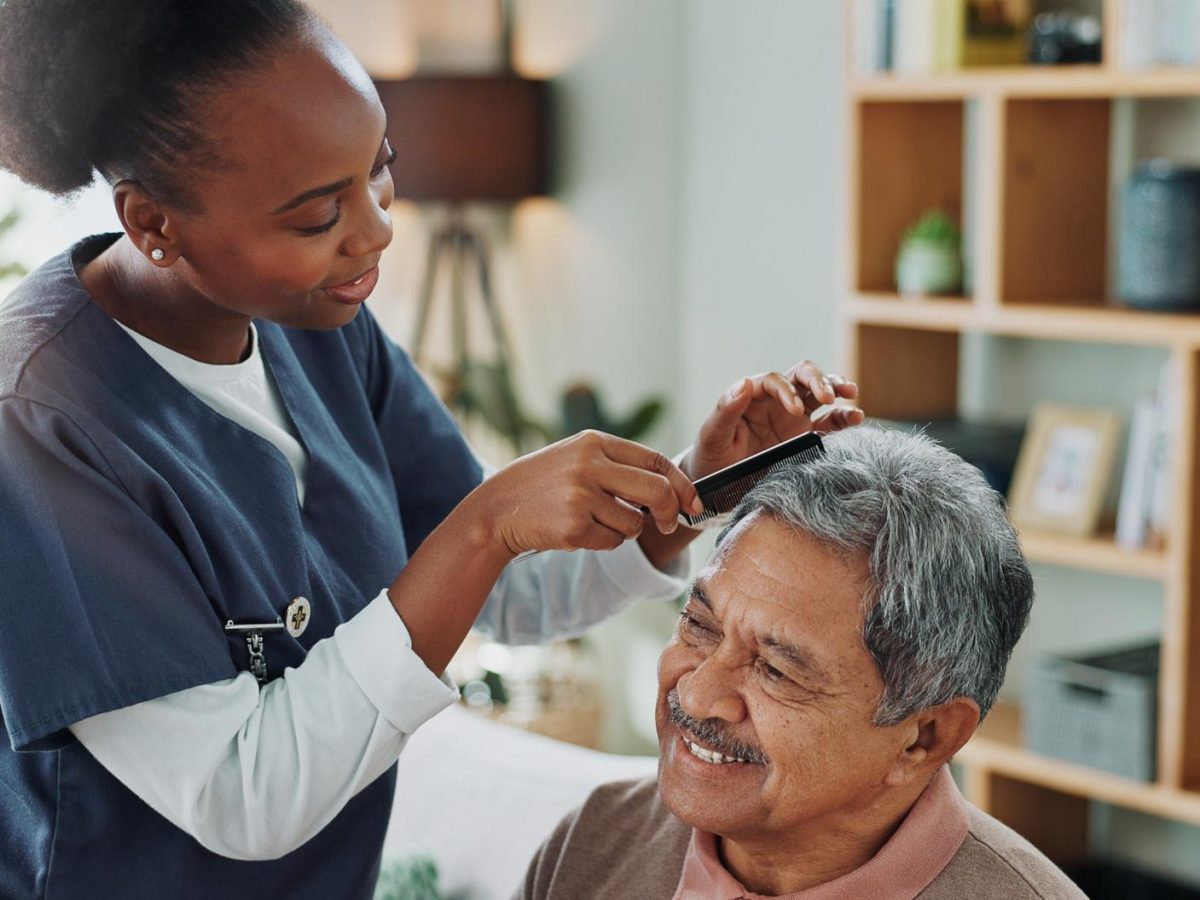
Why Daily Hair Washing May Be Too Much
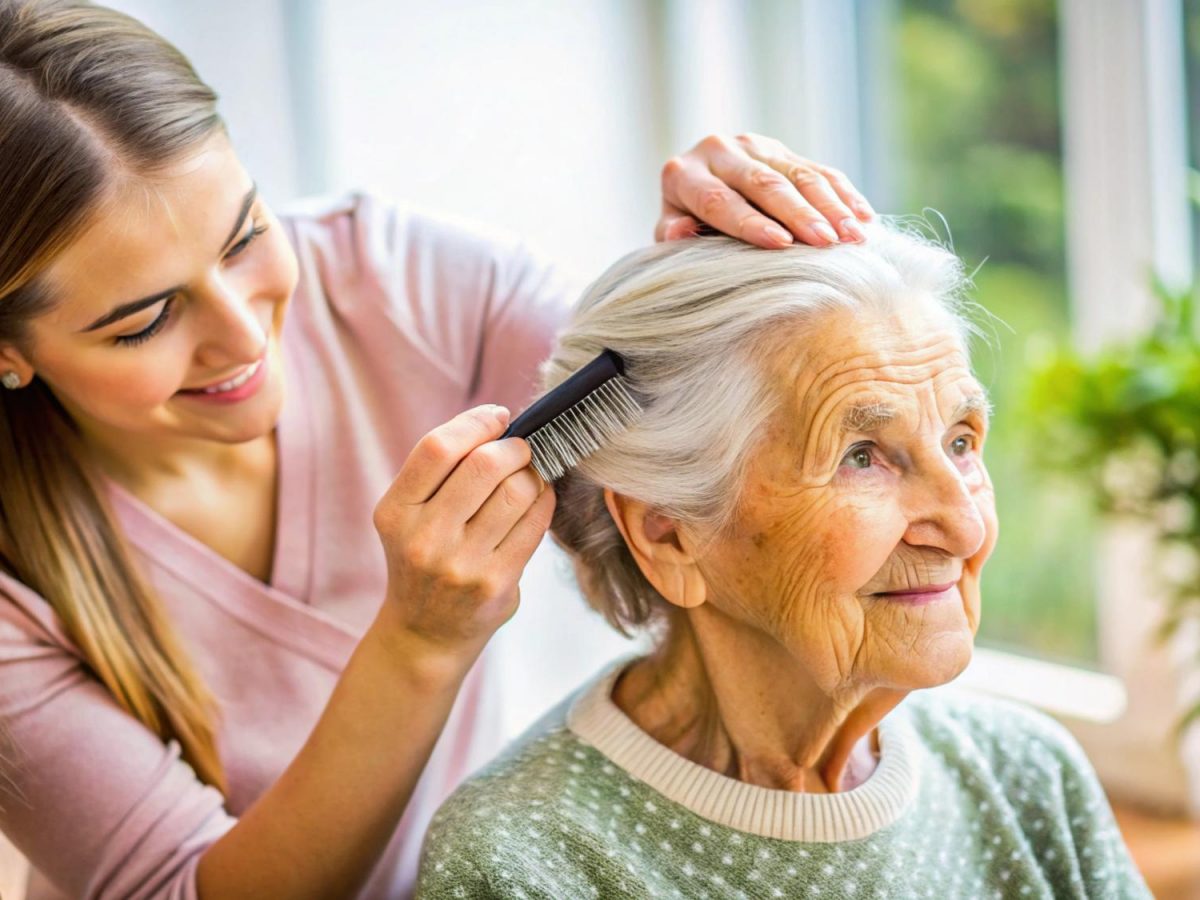
Many older people have drier skin, and a more sensitive scalp. Washing the hair too often, using hot water, scrubbing hard, or using harsh shampoos can make the scalp sore, itchy, or flaky.
Carers often notice signs that families may miss. The person may say their head feels tight after hair washing, scratch the scalp more often, avoid brushing, or complain that a shampoo stings. These signs matter because scalp discomfort can make the next wash harder.
Daily hair washing may also be tiring. An older person may have to walk to the bathroom, undress, sit safely, tolerate water, keep warm, and wait while hair is dried. That effort can leave them exhausted for the rest of the day.
For this reason, carers may separate hair washing from bathing, especially for someone who becomes weak or anxious during personal care.
Why Clean Hair Matters for Older People
Clean hair is an essential part of keeping an older person healthy, comfortable, and protected. This matters even more for older people who are bedbound, living with dementia, or have thin, delicate skin.
A dirty scalp traps moisture, sweat, and oils. This creates an environment where bacteria and fungi can grow, increasing the risk of irritation, skin breakdown, and infection.
As people age, the scalp produces less natural oil. This leads to dryness, flaking, and frequent dandruff. Regular hair washing removes dead skin cells and debris, helping to reduce itchiness and discomfort.
Clean hair also helps to prevent infections such as folliculitis, where a hair follicle becomes inflamed or infected. Gentle washing keeps follicles clear, improves circulation, and supports healthier hair growth.
The best shampoos for elderly hair are mild, natural sulphate free shampoos, as they protect the fragile skin of older adults, and can help keep hair stronger and make it easier to manage.
Scalp care also makes elderly people feel more comfortable, more confident, and more like themselves, especially if they’re feeling isolated or their mood is low.
Why Hair Needs To Be Washed Regularly
Hair needs to be washed regularly to keep your scalp clean and healthy and to remove excess oil from your scalp. Regular hair washing maintains scalp hygiene and prevents dirt and oil build-up.
Hair washing removes excess sebum (natural oils), dead skin cells, sweat, and dirt. If left unwashed, this build-up can clog hair follicles, cause an itchy scalp, and trigger conditions like dandruff or scalp dermatitis.
What Happens If Hair Is Not Washed Regularly
Not washing hair regularly allows sebum (natural oils), dead skin cells, sweat, and product residue to build up on the scalp.
Over time, this build-up traps dirt and bacteria, leading to greasy roots, an itchy or flaky scalp, unpleasant odours, and clogged follicles that may cause the hair to get thin and could also cause infections.
Why Hair Washing Can Feel Difficult
For families, washing elderly hair may look like a small task, but for older people having their hair washed can be one of the most tiring parts of personal care. The older person may need to stand, bend, hold their head back, tolerate water near the face, cope with temperature changes, and sit through drying afterward.
Washing Elderly Hair With Someone With Dementia
Washing hair with someone with dementia can be even harder. The person may not understand why water is being poured over their head. They may feel rushed, exposed, frightened, or unable to explain what feels wrong.
Some may refuse hair washing because the bathroom feels cold, noisy, bright, or unsafe. Sink washing, hair washing with a hose attachment or washing hair without a shower, might be more comfortable, if shampooing becomes challenging for someone with Alzheimer’s.
| Dementia Concern | Carer Response |
|---|---|
| Fear of water | Start with a damp flannel near the hairline |
| Refusing the shower | Try sink washing or no-rinse shampoo |
| Confusion | Explain one step at a time |
| Sensory discomfort | Use warm towels and reduce noise |
| Embarrassment | Keep the body covered while washing hair |
| Fatigue | Wash hair separately from bathing |
What Carers Know That Families May Not Notice
Good carers often look beyond whether the hair looks clean. They check the scalp, skin, smell, mood, posture, and energy level before deciding if hair washing is needed.
This is why a fixed rule does not work for every older adult. The safest hair washing routine is based on observation. If the person looks distressed every time hair washing is mentioned, carers may try a different place, time, product, jug, towel, or washing method.
| What Carers Check | Why It Matters |
|---|---|
| Scalp redness | May show irritation, infection, or scratching |
| Flakes or crusting | May need gentler products or medical advice |
| Greasy roots | May mean washing is needed sooner |
| Strong smell | Matted hair |
| Can pull on fragile skin | May signal sores or tangles |
| Damp hair after washing | Can cause coldness or discomfort |
| Mood changes | Washing may be causing distress |
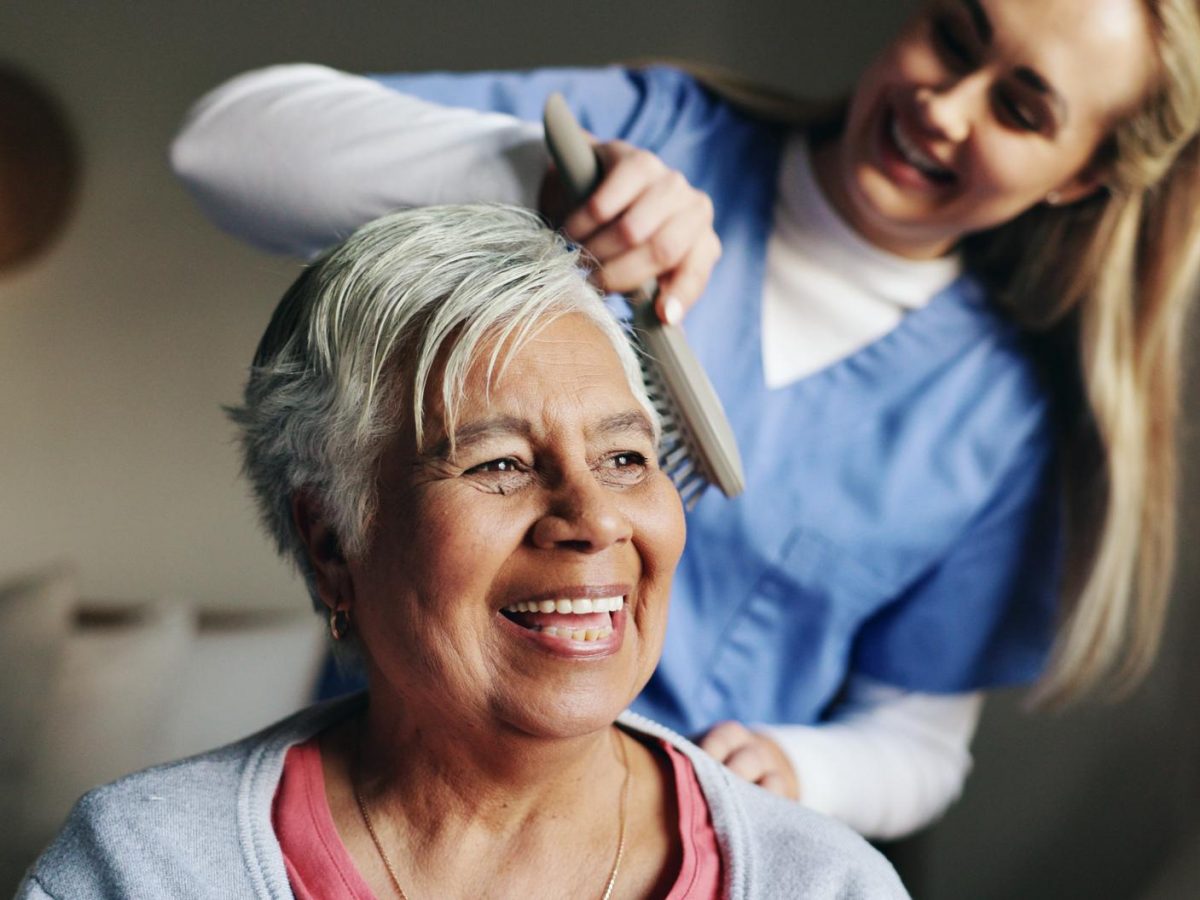
How to Wash Hair for a Bedbound Person
Bedbound hair washing needs planning because the person cannot simply step into a shower or sit at a sink.
A bed bath may be needed when someone cannot move or has very limited mobility, and carers should take extra care when moving or handling them.
For hair washing in bed, carers may use a waterproof sheet, towel roll, basin, shampoo cap, no-rinse product, or inflatable hair-washing tray. The aim is to keep the person warm, dry, supported, and comfortable. The pillow area should be protected, and the neck should be supported to avoid strain.
Bedbound hair may need washing once a week, or sooner if the person sweats, has scalp build-up, or feels uncomfortable. Hair should be dried well afterwards because damp bedding or damp hair can cause coldness and discomfort.
Carers may also check the scalp, ears, neck, and back of the head for redness, soreness, or pressure marks.
Hair Washing After Illness or Hospital Stays
Hair washing after illness may need a slower approach. An older person may feel weak after infection, surgery, a fall, or a hospital stay.
They may want clean hair but lack the strength for a full shower. In this situation, washing hair without a shower may be more suitable. A short wash at the sink, a shampoo cap, or a no-rinse product may be more realistic.
Carers may also check for changes caused by hospital stays, such as matted hair, dry scalp, skin soreness, or product build-up. If the person has stitches, dressings, oxygen tubing, feeding tubes, or medical equipment, carers should follow clinical advice before washing their hair.
A person recovering from illness may manage hair washing better in the morning after breakfast, or later in the day after rest to avoid them getting fatigued. The timing should support the person’s energy, not the carer’s convenience alone.
Washing Hair When Someone Has a Phobia of Water (Aquaphobia)
Washing the hair of an older adult who has a fear of water can be challenging. Aquaphobia, the fear of water, is common in people living with dementia, anxiety, or past traumatic experiences.
The aim is keep the person calm and comfortable, while avoiding running water, splashing, or rinsing over a sink. No-rinse and dry shampoo methods are the safest, most respectful alternatives.
Gentle, Water Free Hair Washing Options
No Rinse Shampoo Caps
These are pre-moistened caps containing a hair cleansing solution that activates when massaged into the scalp. They lift dirt and oils without needing water. Simply warm the cap (if desired), massage into the hair, towel dry, and style. Ideal for people who panic around running water.
Dry Shampoo Powders or Foams
Dry shampoo is perfect for refreshing hair between deeper cleans. Apply the powder or foam to the roots, let it absorb oils, then brush thoroughly. This method avoids all water contact and is especially helpful for people who become distressed by wet hair.
No-Rinse Liquid Shampoo and Conditioner
These products are applied directly to the hair and massaged into a light lather. They are then towel dried off, removing dirt and residue without rinsing. This is a gentle option for people who tolerate touch but not water.
Washing Hair When Someone Has A Phobia Of Water
Washing the hair of an older adult with a fear of water (aquaphobia), requires no-rinse or dry hair washing methods.
The aim is to ensure that the person is comfortable and relaxed, while eliminating the need for running water, splashing, or the need to rinse over a sink.
Comfortable alternatives include:
- No-Rinse Shampoo Caps: These pre-moistened, microwavable caps work by massaging the solution into the hair and scalp, trapping dirt and oils. You simply towel dry and style without any rinsing.
- Dry Shampoo Powders or Foams: Ideal for spot-treating or refreshing hair between deeper cleans. Apply the powder or foam directly to the roots, let it sit to absorb oils, and thoroughly brush it out.
- No-Rinse Liquid Shampoo and Conditioner: These liquids are applied directly to the hair, massaged into a gentle lather, and towel-dried off without water.
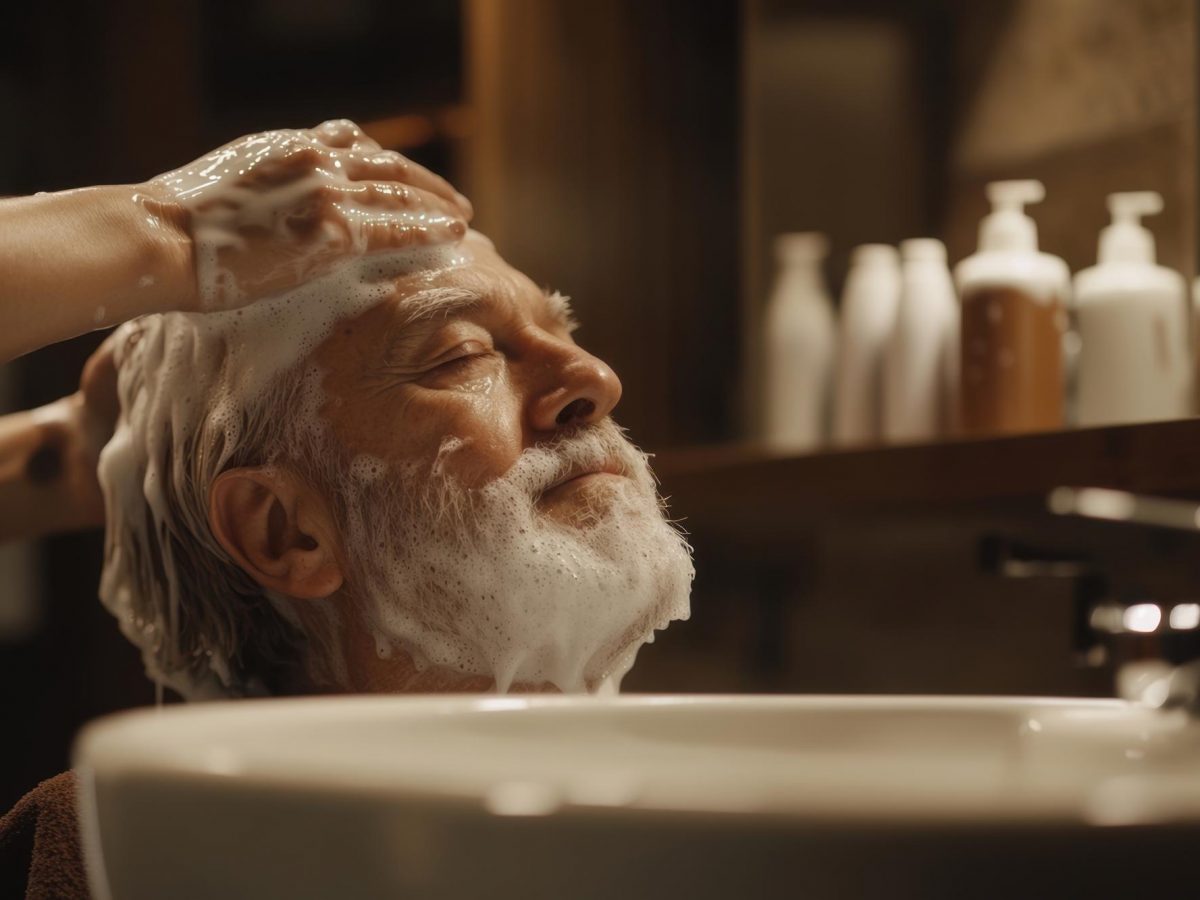
Choosing Hair Care Products for Older People
Product choice matters because older skin can be more sensitive. A shampoo that worked for years may suddenly feel too strong.
The best shampoo for elderly hair is gentle natural sulphate-free shampoos designed for older people’s hair. Fragrance, colourants, heavy residue, or harsh cleansing agents can irritate a dry scalp.
If the scalp becomes red, sore, itchy, or flaky after a product change, the product may be irritating the scalp. A pharmacist, GP, nurse, or dermatologist can advise if symptoms continue.
| Product Type | When It May Help | What To Watch |
|---|---|---|
| Mild shampoo | Regular washing | Choose gentle formulas |
| Fragrance-free shampoo | Sensitive scalp | Avoid strong scents |
| Moisturising shampoo | Dry scalp or brittle hair | Rinse fully |
| Shampoo cap | Bedbound care or fatigue | Watch for residue |
| No-rinse shampoo | Low-energy days | Avoid overuse if scalp feels sticky |
| Detangling spray | Long or textured hair | Avoid heavy build-up |
| Leave-in conditioner | Dry, curly, or fragile hair | Use small amounts |
Top 10 Hair Washing Aids for Older Adults, Dementia & Disabled Care
Supporting an older adult with hair washing can be challenging, especially when mobility, memory loss, pain, or fear of water are involved.
These 10 practical hair washing aids for elderly people make the process safer, calmer, and more comfortable for both the person and the carer.
1. Tilting Commode
A tilting commode is a shower safe chair that reclines smoothly, supporting the head, neck, hips, and back. The built in headrest and safety belt keep the person secure, making hair washing easier for those with poor balance, limited mobility, or advanced dementia.
2. Shower Chair
Shower chairs prevent slips on wet bathroom floors and allow older adults to wash while seated. They reduce fatigue, improve safety, and make showering more manageable for people with mobility issues, weakness, or balance problems.
3. Hand-held Shower Head
A handheld shower head gives you full control over where the water goes. It’s ideal for seated showers, reduces splashing, and helps carers wash hair gently without soaking the person’s face or body. The are especially helpful for those with water anxiety or sensory sensitivity.
4. Inflatable Shampoo Basin
An inflatable shampoo basin allows you to wash someone’s hair while they remain comfortably in bed. The neck opening keeps the water contained, and you can wash the hair using a jug, a small amount of shampoo, and warm water. It’s one of the best aids for bedbound or palliative care situations.
5. Shampoo Caps
Shampoo caps are perfect when water isn’t an option. The cap contains a hair cleansing solution, simply place it on the head, massage, and towel dry. They’re ideal for people with dementia, fear of water, or low tolerance for full washing.
6. Towel-Off No-Rinse Shampoo
A no-rinse shampoo formula is warmed in the hands, massaged into the scalp, and then removed with a towel. It’s gentle, quick, and excellent for fragile skin or people who become distressed during traditional washing.
7. Shampoo Trays and Basins
Shampoo trays fit behind the neck and allow hair washing over a sink or basin. They’re widely available and helpful for people who can sit but cannot lean back comfortably. Choose a design that suits your loved one’s posture and mobility.
8. Dry Shampoo
Dry shampoo absorbs oil and refreshes the scalp without water. It’s useful for people who are bedbound, recovering from illness, or those who dislike wet washing. Available as sprays or foams, it helps maintain freshness between proper washes.
9. Flannel and Warm Water
A simple flannel wash is ideal for someone who dislikes getting their hair fully wet. Dampen the hair with a warm flannel, apply a small amount of shampoo, and wipe clean with repeated rinses. It’s gentle, low cost, and dementia friendly.
10. Microfibre Towels
Microfibre hair wraps absorb water quickly and reduce friction, helping prevent breakage and frizz. They’re especially good for curly, wavy, or delicate hair and make drying faster and more comfortable.
Hair Texture and Cultural Preferences
Hair care is personal, some older people may have life-long routines linked with culture, faith, identity, modesty, or family habits.
Some women may feel uncomfortable with uncovered hair. Some men may prefer a simple wash and comb. Some people may want oils, scarves, protective styles, or specific products.
Textured, curly, or very dry hair may not need frequent washing. In fact, washing too often can make dryness and breakage worse.
A carer may need to use conditioner, section the hair, detangle gently, or follow the person’s usual hair routine. Straight or oily hair may need washing sooner, especially if the scalp becomes greasy or itchy.
Carers should ask what the person used before they needed support. The goal is not to change their routine without reason. The goal is to keep the hair and scalp comfortable while respecting personal dignity.
How To Wash Elderly Hair More Comfortably
The aim is to keep the person clean while reducing stress and physical strain. Gentle preparation can make a major difference.
Hair should be brushed gently before washing if there are tangles. After washing, drying should be done carefully, especially if the person feels cold easily. A hairdryer may help, but carers should use a safe heat level and avoid burning the scalp.
| Step | Carer-Friendly Tip |
|---|---|
| Prepare first | Keep towels, shampoo, comb, and dry clothes ready |
| Check the room | Warm the bathroom before starting |
| Test water | Use warm water, never hot water |
| Protect the face | Use a dry flannel across the forehead |
| Support posture | Use a chair if standing is tiring |
| Use fingertips | Avoid rough rubbing or scratching |
| Rinse well | Shampoo residue can irritate the scalp |
| Dry fully | Damp hair can leave the person cold |
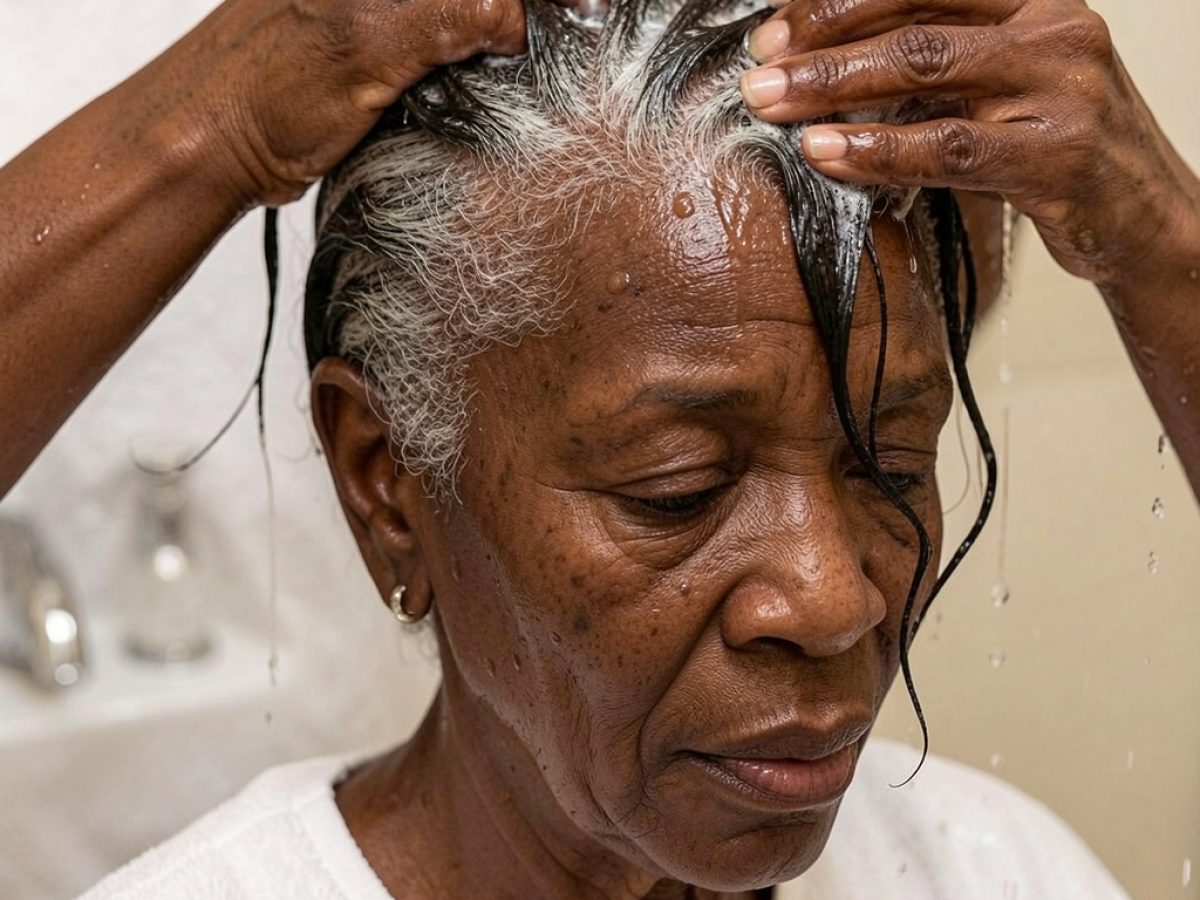
When To Ask for Medical Advice
A GP, nurse, pharmacist, or dermatologist may be needed if scalp problems keep returning or worsen.
Ask for advice if there is:
- Bleeding, sores, or open skin
- Severe itching
- Sudden hair loss
- Thick crusting or scaling
- Signs of infection
- Pain when touching the scalp
- Repeated scratching at night
- New rash after using shampoo
- Lice, mites, or unexplained irritation
- A sudden change in hygiene habits
- Hair matting that cannot be removed safely
Hair washing should never cause pain. If it does, something needs changing.
10 Practical Hair-Washing Tips for Carers
- Keep the hair washing routine simple
- Choose gentle, natural products
- Use a small amount of shampoo and conditioner
- Check the scalp each time
- Keep the room warm
- Test the water carefully
- Protect the face and eyes
- Brush the hair before washing
- Dry the hair thoroughly but gently
- Use hair grooming products, scalp conditioners, hair moisturiser, if hair is dry and limp.
Final Answer to the question.. how often should an elderly person wash their hair?
So, how often should an elderly person wash their hair? For many older adults, once or twice a week works well. Some may need more frequent washing because of sweating, oily scalp, continence issues, or medical needs. Others may need less frequent washing due to dry skin, thinning hair, dementia, fatigue, pain, or distress during bathing.
The best routine is the one that keeps the scalp clean, protects delicate skin, and respects the person’s wishes.
Good hair care for older people should never feel frightening, rushed, exhausting or cause distress. It is observation, patience, comfort, and dignity.