Personal Hygiene Care For The Elderly – What I’ve Learned From Experience
Personal hygiene is one of the most important parts of caring for an older person, because it helps them stay clean, comfortable and protects them from infections. As people age, it can become harder for them to wash themselves properly, change their clothes regularly or keep their living spaces clean, this is where carers can play a vital role.
Good personal hygiene is about more than looking tidy. It’s about preventing infections and keeping someone safe. This means making sure their face, mouth, ears, body, hair, hands and feet, are cleaned regularly, and that their clothing, bedding, sleepwear and home environment are kept clean and hygienic. When these areas are not looked after, bacteria and viruses can spread easily, increasing the risk of illness to themselves, and to others.
For carers, personal hygiene is a key part of a daily personal care routine. Small, consistent actions such as helping to wash an older person, supporting someone to change their clothes regularly, refreshing bedding frequently, keeping the bathroom, kitchen and living spaces clean, all work together to protect an older person’s health and dignity. It’s about creating a safe, infection-free, comfortable environment where they can feel well cared for and confident in their day‑to‑day life.
Over two years ago, I started to care for a family member in their late eighties after they had a fall, broke their hip, and spent almost six weeks in hospital. When they were released, it was clear that their personal hygiene had been neglected. They had thrush, a fungal infection on their feet, dry flaky skin and some cracked skin, and they were not comfortable in themselves.
My first aim was to improve their cleanliness and to get rid of their infections, without making them feel ashamed or disrespected. I realised that I had to approach this tactfully and politely. After a few days, I said, ‘I think you deserve some pampering’, they smiled so I knew they were happy with this.
Creating a Comforting Home Personal Hygiene Routine – Warm Basin Washes and Full Body Moisturisation
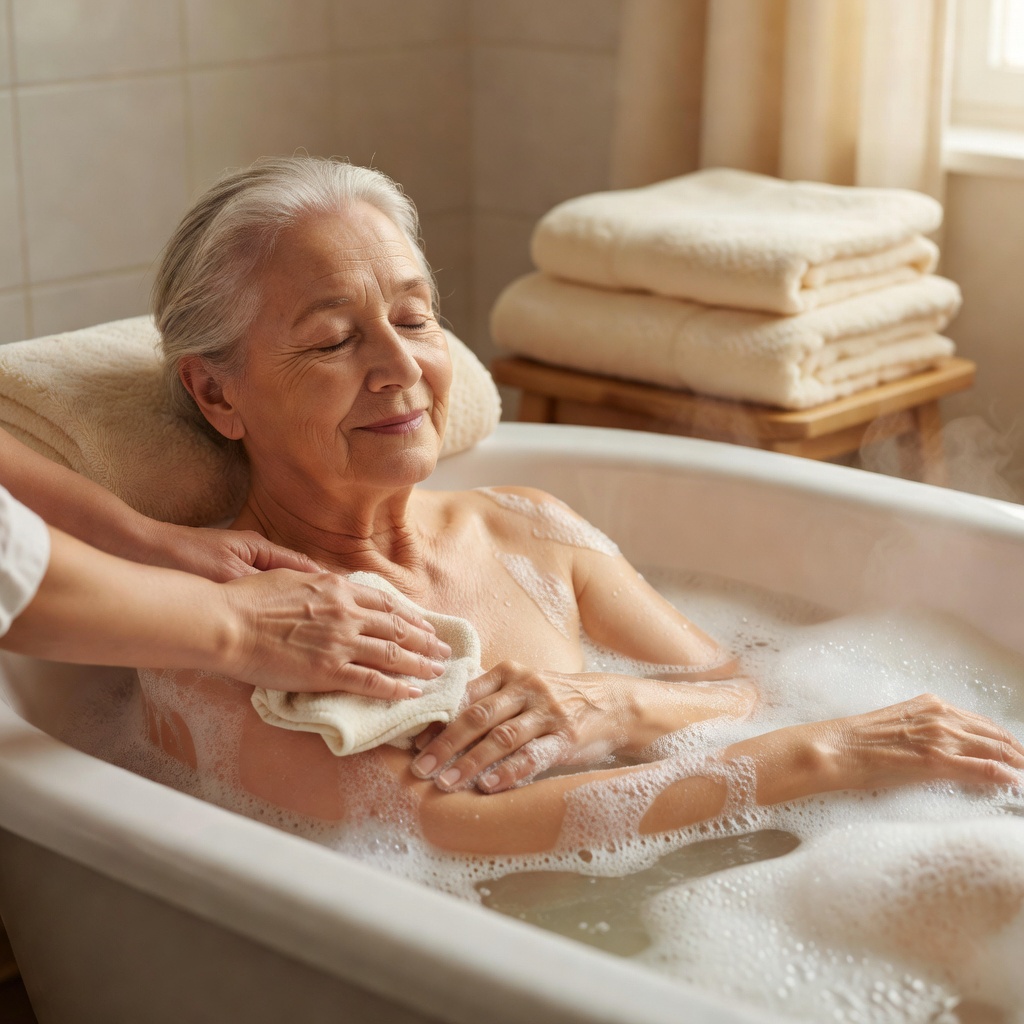
I started with warm basin washes in the bedroom to clean their skin daily. I used, and still use gentle sulphate-free baby body washes. I put the towels on the warm radiator, or if the radiator was not on, I wrapped the towels around a hot water bottle so that they are kept warm and cosy.
After gently drying them with warm towels, I asked them if I could apply a body moisturiser to their skin. They had never had a body moisturisation before, so I asked them if they would like to try this, to which they said ‘yes, that sounds interesting’.
I warmed up some jojoba oil in a bowl, added a drop of lavender oil to this, and gently applied it to their body from head to toe. They loved the smell and the feel of it on their skin. It has also helped to hydrate their skin and avoid any bacteria getting into the dry skin cracks that had started to appear. It has become an important part of their personal care routine.
We now have a daily personal hygiene ritual which they look forward to, and it makes me happy to know that they really likes this simple personal hygiene experience.
A Daily Personal Hygiene Routine That Supports Comfort and Wellbeing
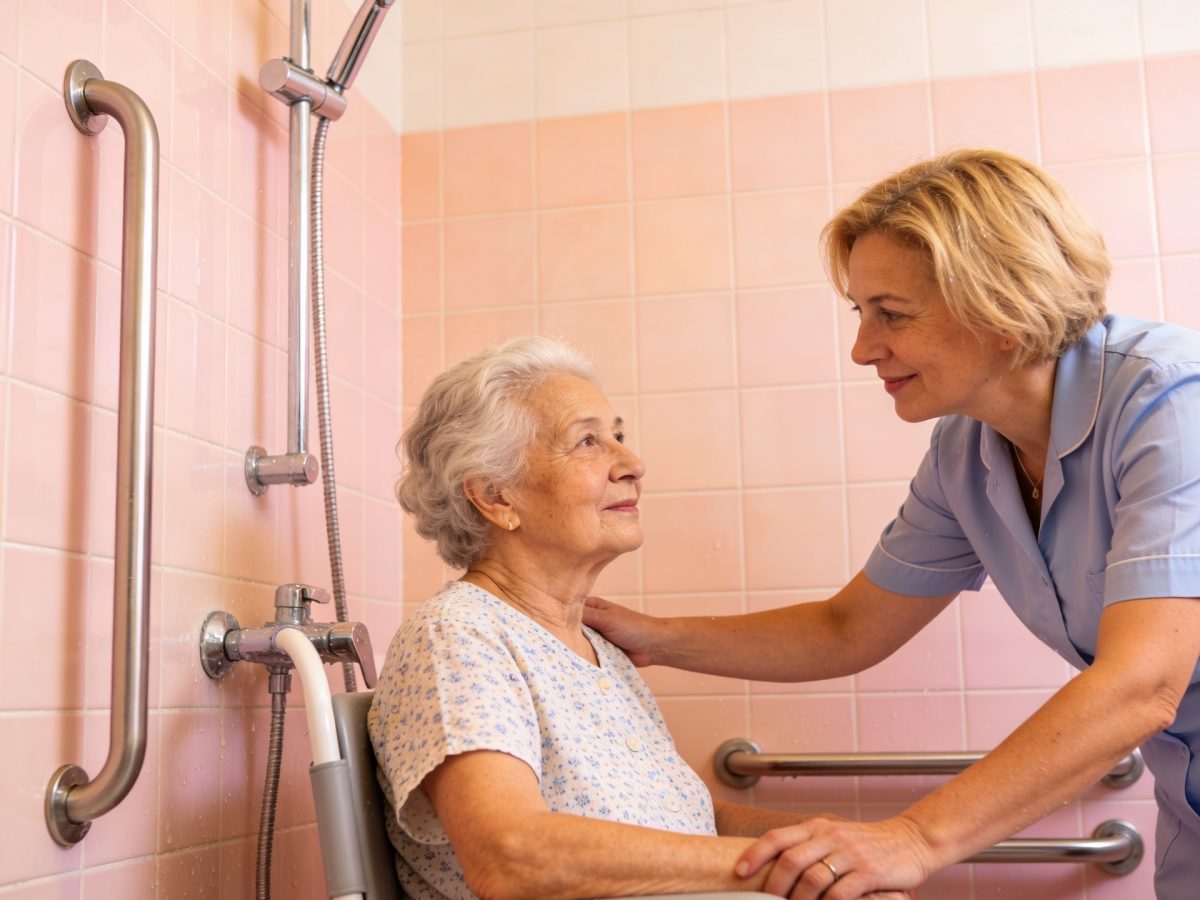
Two years on, we now have a daily personal hygiene routine that has become an important part of their comfort, confidence and it supports their well-being. They now have 3 chair showers a week, as mobility is restricted so standing is not an option, the rest of the days is a warm basin wash in the bedroom, followed by warm towel drying and a full body moisturisation.
I change their underwear and socks daily, refresh the other clothing at least 3 times a week, apply an antifungal cream to the toenails and heels. After that, I use a gentle natural foot balm and take my time to gently massage it into their feet. They enjoy this and often says that “it feels nice.”
This daily personal hygiene routine takes time, but it is essential. It helps prevent infections, keeps their skin healthy, and gives them a moment of calm and comforting care in their own space to start the day.
Most importantly, they look forward to it, and they always says they feel and look so much better afterwards. Added to this is a weekly bed change or whenever it’s needed, a clean warm bed also helps them to sleep better. The bathroom, showering aids, surfaces, handles, wet areas and kitchen surfaces are cleaned over daily with a light antibacterial surface cleaner, and living spaces are dusted and cleaned weekly.

Why Personal Hygiene Matters for Older People
Good hygiene helps to reduce body odour; it protects the skin from infections, lowers the spread of germs, supports oral health, reduces scalp problems, and prevents stomach bugs linked to unwashed hands or dirty nails. It also helps an older person feel more comfortable, ready to see family, eat with others, welcome visitors, or go outside.
Poor hygiene can seriously affect older people because our immune system becomes weaker with age. Infections, skin irritation, fungal problems, pressure sores (bed sores), dental pain, and foot wounds can develop or worsen when daily care is missed. Germs can also spread through hands, towels, bedding, clothes, bathroom surfaces, shared items, and soiled laundry.
| Hygiene Concern | How It Can Affect Health | How It Can Affect Wellbeing | |
|---|---|---|---|
| Missed washing | Missed washing Skin soreness, odour, and bacterial infections | Embarrassment, low confidence, and reluctance to see visitors | |
| Dirty clothing | Smells, Skin irritation, discomfort, and dampness | Feeling unkempt, withdrawn, or unlike themselves | |
| Poor oral care | Gum pain, tooth problems, bad breath, and eating difficulty | Self-consciousness during meals and conversations | |
| Toileting issues | Soreness, urine irritation, UTI risk, and pressure sores | Shame, anxiety, and fear of accidents | |
| Unwashed hair or scalp | Itching, flaking, scalp infection, and hair loss | Feeling neglected, uncomfortable, orless confident | |
Foot Care, Skin Care and Comfort Routines That Support Wellbeing
My family member has a monthly chiropody visit to continue to treat the fungal infection on the feet and toenails. They can sometimes be reluctant to go, so to encourage them, I offer to take them for a coffee and cake afterwards at a local cafe, which I know they like.
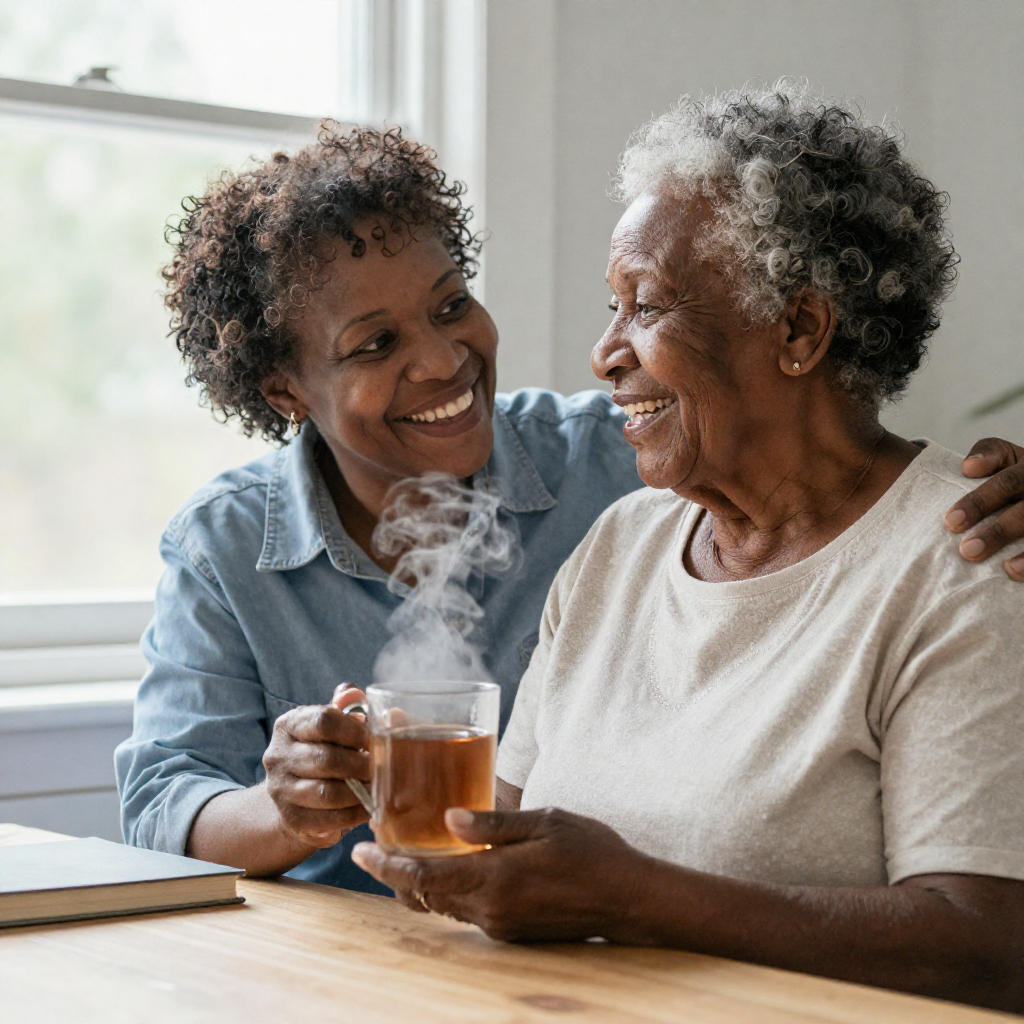
This simple idea encourages them to attend, and they always say that their feet ‘feel and look much better’ afterwards. Often, we sit together afterwards, enjoy a warm drink and have a gentle chat before heading home, it’s a short time to connect, share the day’s events and it lifts their mood.
Growing Comfort and Confidence Over Time
Over time, they have become more comfortable and genuinely happy with their personal hygiene routine. They know what to expect, when to expect it, and they feels cared for. They enjoy the simple daily cleansing rituals we’ve built together.
From my experience as a home carer, good personal care works best when it is kind, clear and practical. You also have to be patient, it’s not always easy, but to give the best care it comes down to ‘patience being a virtue’.
Good Body Hygiene
Good body hygiene includes regular body washing, wearing fresh underwear, clean clothing and having regular clean bedding. Older skin is usually thinner and drier, so body washing should be gentle by using mild sulphate-free body washes.
Carefully drying the body with warm soft towels can reduce skin irritation and make the experience more comfortable and even enjoyable.
The armpits, under the breasts, skin folds, groin area, bottom, and between the toes need extra care because these areas can become warm, sweaty, and damp, making them prone to infection. If body hygiene is neglected, the older person may develop itching, soreness, rashes, odour, or infection.
For someone who sits or lies down for long periods, damp clothing can also make pressure areas worse. The NHS has produced some useful advice about how to help someone keep their body clean.

Face, Hair, Hands, And Nails
Face washing helps remove sweat, food marks, sleep residue, and dry skin. The eyes, behind the ears, around the nose, and under the chin should be cleaned gently with warm water and a soft cloth. A light paraben free face cream and lip balm can help dry skin feel better.
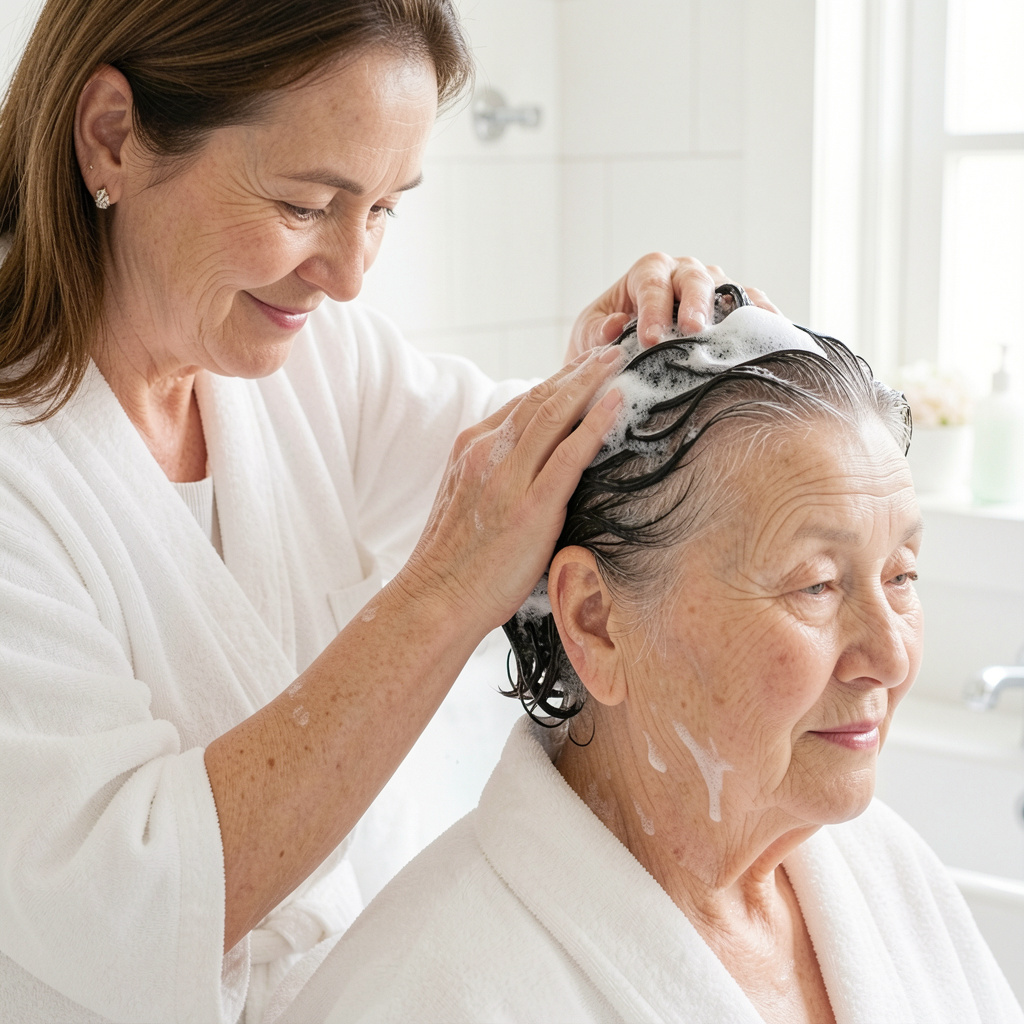
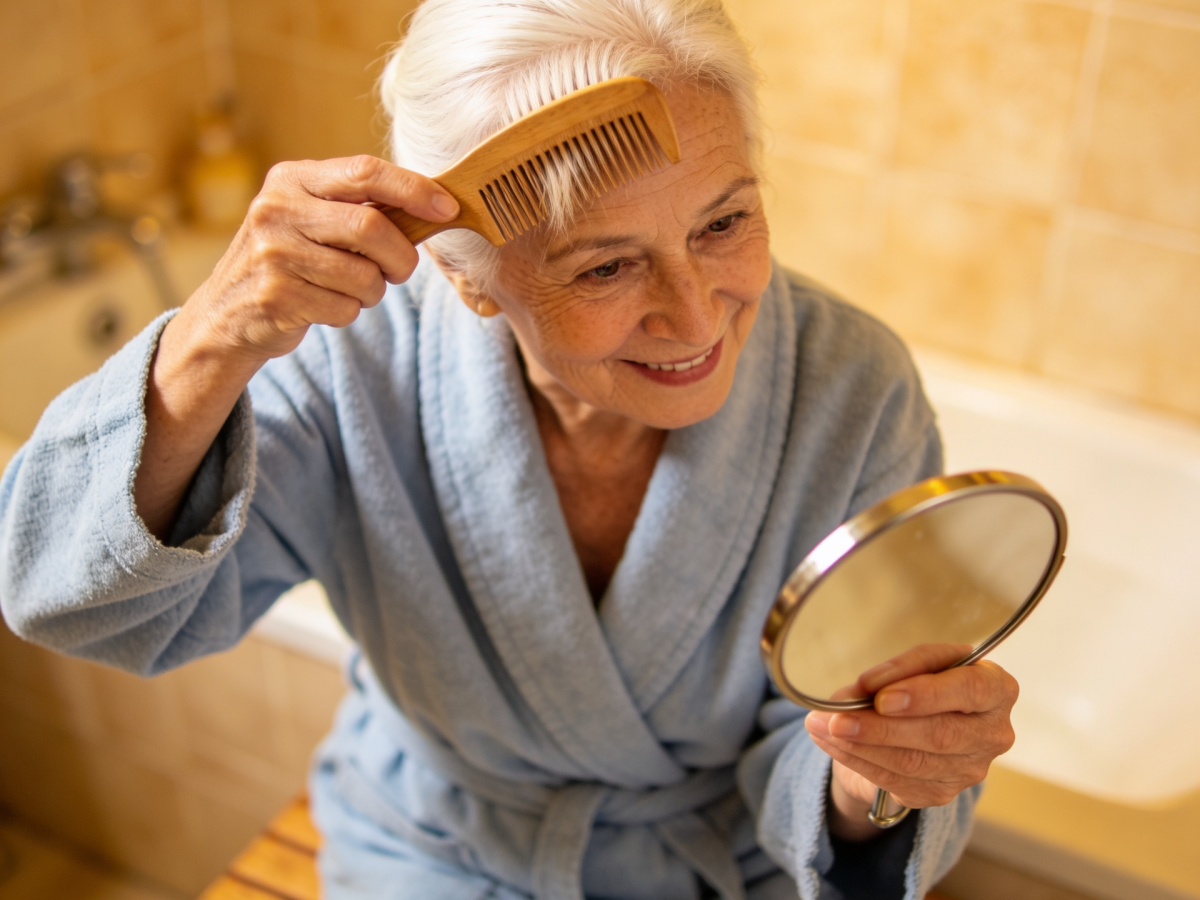
Hair and scalp hygiene also affect comfort and confidence. Dirt, sweat, dead skin, and oil can build up on the scalp, which may lead to itching, odour, flaking, infections such as folliculitis (a bacterial or fungal infection of the hair follicles), fungal overgrowths, or even hair loss. Weekly hair washing is helpful where possible. If shower washing is difficult, a basin wash, no-rinse shampoo, or a separate hair-washing day can make the routine easier.
Hands and nails need regular care because they touch food, skin, bedding, mobility aids, bathroom surfaces, and other people. Hands should be washed after toileting and before meals. Nails should be clean, dry, trimmed, and free from rough edges. Thick, painful, discoloured, or difficult nails may need professional care, especially for someone with diabetes or poor circulation.
Oral Hygiene, Dentures, And Feet
Mouth care affects eating, speaking, comfort, and confidence. Poor oral hygiene can cause tooth decay, gum pain, bad breath, mouth infections, denture discomfort, throat infections, and chewing problems. Teeth should be brushed twice a day with fluoride toothpaste, and dentures should be cleaned regularly.
My family member has a full set of dentures, so I prepare a bowl with warm water and a denture cleansing tablet for overnight soaking. I give her privacy while she removes them. This small act matters because food can get trapped under dentures, causing soreness, bad breath, and reduced appetite.
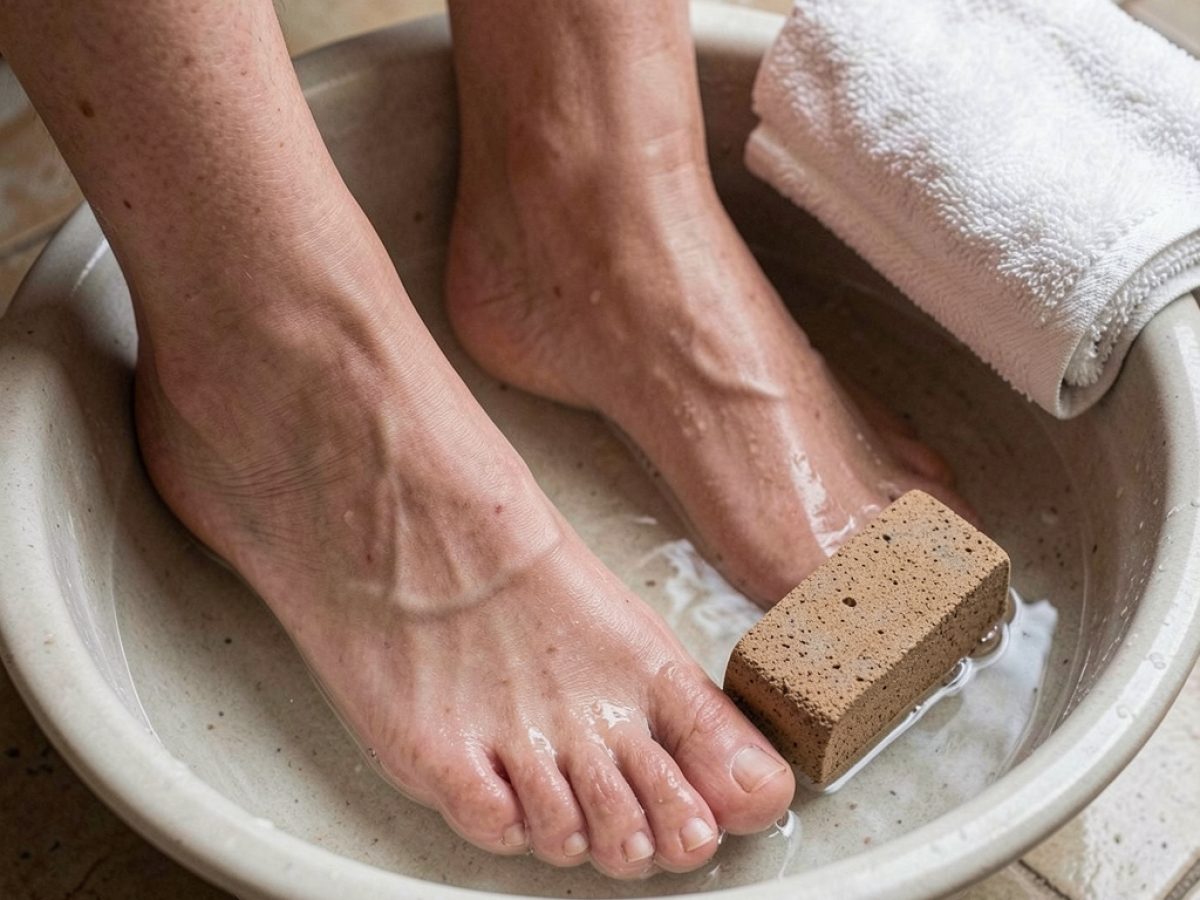
Feet are often neglected because they are harder to reach. Poor foot hygiene can cause athlete’s foot, fungal infection, dry cracked heels, thick toenails, odour, and walking discomfort. Feet should be washed daily, dried between the toes, checked for redness or swelling, and moisturised with a foot or heel balm.
Medical advice is needed for broken skin, pain, swelling, infection signs, diabetes concerns, or poor circulation. A phrase such as, “This may help you feel more comfortable,” can work better than criticism. If an elderly loved one refuses help, pausing and trying again later can protect trust.
A cup of tea, favourite cake, or familiar music during and after washing can also make the routine feel less stressful.
Hygiene Support for Bed-Bound or Mobility Restricted Older People
Bedbound or mobility restricted older people need personal hygiene care that protects their skin, comfort, privacy, and safety. A full shower or bath is not always possible, but a warm bed wash can help to keep someone clean and be more comfortable.
Practical alternatives include a warm damp flannel, moisturising body wipes, or a warm natural cleansing body oil.These alternatives are gentle on the skin and easy to use when mobility is restricted or an elderly person is bed bound.
How to Give a Warm Bed Wash To Older People
Bed-bound or mobility-restricted older people need hygiene care that protects the skin, comfort, privacy, and safety.
A shower or bath may not always be possible, but a warm bed wash can keep someone clean. Other practical alternatives need to be considered such as warm damp flannel, or using moisturising body wipes, warm natural cleansing body oils.
Start with the face and hands, then wash the upper body, underarms, skin folds, private areas, legs, feet, and back. Use separate cloths for the face and private areas.
The room should be warm, clean warm towels should be ready, and the person should be covered with a towel or sheet during care. Damp clothing, pads, and bedding should be changed quickly to protect the skin. Skin should be dried carefully, especially around skin folds and pressure areas.
A gentle paraben-free moisturiser applied to the skin can help reduce dryness and stop the skin becoming dry or flaky and help to prevent cracking particularly in the skin folds or extremely dry areas.
Home care hygiene support should also include fresh nightwear, clean sheets, oral care, denture care, hair brushing, nail checks, and daily skin checks. Redness, broken skin, swelling, soreness, odour, or discharge should be raised with a nurse or GP.
Personal Hygiene for Elderly People Who Dislike Wet Cleansing
Washing a bed-bound person who does not like water, requires a “no-rinse” method using products that cleanse without having a traditional rinsing. The aim is to offer a gentle, comforting cleanse for older people who have a dislike of ‘wet cleansing’.
There are other approaches that can be used including a dry body massage, rinse-free moisturising body wipes, no rinse soaps or foam, dry/warm damp flannel wipe, natural cleansing oils, which are good for dry or sensitive skin.
A No Rinse Cleansing Routine for Older People
Even without water, the way in which a no-rinse or dry cleansing routine is carried out matters to maximize comfort and avoid any cross contamination and for comfort and respect. Make sure that the room is warm, with warm towels and cleansing cloths. Start with the face and hands first, then the upper body and under the arms.
Cleansing skin folds and private areas is also vital to avoid bacteria build up and infections, especially of the older adult sweats or is incontinent. After rinsing the cleansing cloths cleans the legs and back. It is important to use separate cloths for the face and the private areas, (use a light cloth for the face and a darker one for the private areas), to maintain good hygiene and respect their dignity.
During a no rinse cleansing routine, check the skin daily. Contact a nurse or GP if you notice any of the following symptoms, skin redness, boils, broken or bleeding skin, swelling, soreness, odour or any discharge. Early attention to these symptoms prevents infections and protects long term skin health.
10 Personal Hygiene Tips for Older People at Home
These hygiene tips for older people work best when they are easy to repeat and introduced with patience and understanding.
- Keep washing/bathing routines regular and use the same days and times where possible.
- Keep the bathroom, bedroom, towels, and clothing warm.
- Use mild sulphate-free body wash products to reduce skin dryness and irritation.
- Dry the skin carefully with a warm soft towel, especially in the skin folds.
- Apply a daily paraben free face cream, body moisturiser, or a gentle natural body oil.
- Change underwear and socks daily and change other clothing often.
- Support hair brushing, mouth care, denture care, and dental checks.
- Encourage handwashing after toileting and before meals.
- Keep nails clean, trimmed, dry, and smooth.
- Check feet regularly for swelling, cracks, redness, pain, or fungal signs.
A clean environment is just as important as personal hygiene. Protecting an older person’s health, means making sure that all personal care equipment and frequently used items are cleaned thoroughly every day. This includes commodes, basins, showering aids, mobility or hygiene equipment, surfaces and kitchen utensils.
It’s also essential to dispose of any medical waste and used PPE such as gloves, aprons, masks, dressings, pads or disposable soiled items, in the correct outside bins. Avoid using indoor bins for the disposal of any contaminated waste, as this helps keep the home environment fresh, hygienic and infection‑free.
Soiled clothing, bedding or dirty towels should be washed at 60 degrees to kill any bacteria, below that temperature can mean that any bacteria on these items can still be ‘alive and kicking’.
Personal Care Is A Window To An Older Person’s Life.
Giving personal hygiene support is not just a routine task, it is an opportunity to get to know the life of an older person. You are both in a warm, safe, familiar environment, and that sense of security can open the door to many conversations. With the right questions, you can learn so much about who they are, what they have done, and what is important to them.
Often, older people enjoy talking while you are supporting them, and you will find yourself enjoying the stories they tell, just as much as they enjoy telling them. Often, you are the only person they will see all day.
A few simple, thoughtful questions can spark rich conversations and help them feel more relaxed and valued. I personally enjoy this learning experience, as it gives me the chance to build a relationship and bond with family members I’ve care for.
I have generated conversations around questions like:
- What work did you do when you were younger? This reveals a lot, it tells you what skills they had, their achievements and, the people they worked with and work their memories.
- How’s that new grandchild of yours?” Family is a joyful topic of conversation for many older adults and helps them feel connected.
- “What did you watch on TV last night?” Or even, “I’ve started a new series I think you would enjoy. Topics like TV, music, or hobbies help to build rapport.
These small moments help you understand who the older person you are caring for, really is, their personality, their humour, their preferences and their life history.
When you get to know someone better, you can support them better, with dignity, empathy, and more confidence.
Helping Without Taking Over
Personal care for elderly people should protect their independence as much as possible. Taking over every task may seem quicker, but it can make an older person feel helpless. It is better to support the parts they find hard and leave the parts they can still manage.
Privacy also matters during every stage of hygiene care. A towel robe, dressing gown, large bath sheet, shower cap or loose clothing can help someone feel less exposed. The door should be closed, warm towels used and clean clothes should be ready, and the person should know what will happen, and be happy with this, before help is given.
Mobility, Safety, And Incontinence
Some older people avoid washing because they fear falling, feeling cold, cannot stand for long, or struggle to get into the bath or showers. Incontinence can also make hygiene harder because damp clothing, pads, bedding, and skin need prompt care.
Helpful support aids may include a raised toilet seat or frame, shower chair, handheld shower hose, non-slip bathmat, non-slip rugs, grab rails, long-handled sponge, face cloths or gentle cleansing wipes, easy-fastening clothing, and better bathroom lighting.
Good home carer hygiene support does not always need expensive products. Warm towels, fewer trip hazards, simple clothing, and a slower pace can make daily hygiene care easier and safer.
When A Home Carer Needs Extra Help
There may come a point when personal hygiene care becomes too difficult for one person to manage safely. That does not mean the home carer has failed, it just means the older person’s needs may have changed, and as such more support is needed. A care agency many be able to support these additional needs.
| Type Of Help Needed | Who May Help | What They Can Support With | |
|---|---|---|---|
| Bathing or toilet safety | Occupational therapist - contacted through your Local Authority | Care Assessments, Grab bars, shower chairs, toilet aids, and safer movement | |
| Sore skin or wounds | Nurse or GP | Skin checks, infection advice, dressing care, and continence services/concerns | |
| Oral care problems | Dentist, Hygienist or pharmacist | Denture pain, bleeding gums, dry mouth, and eating discomfort | |
| Continence concerns | Nurse, GP, or incontinence support service | Pads, waterproof underwear, skin protection, toilet routines, and medical checks | |
| Daily personal care support | Care agency, nursing care | Washing, dressing, toileting, and regular hygiene visits | |
| Wider care planning | Local authority care assessment | Care needs, home support options, and safer daily routines | |
Support can be added gradually, so the elderly loved one does not feel overwhelmed but receives more support and safer help while the home carer remains involved. Advice should be requested after illness, a fall, a hospital stay, memory changes, continence problems, repeated distress, or new skin concerns.
My Final Thoughts
Personal hygiene for older people is more than a day-to-day task. It’s an important part of a broader personal care plan, which includes nutrition and medication support, mobility, continence care, companionship, emotional and well being support. Personal hygiene is about making sure that an older person’s health is protected and that they are free from infections.
This means making sure that the body, face, hair, scalp, hands, nails, mouth, dentures, feet, clothing, bedding, bathroom and kitchen areas and living spaces, are kept clean, and toileting routines are attended to daily. Poor personal hygiene can lead to infections, skin problems, foot infections and pain, mouth discomfort, body odour, embarrassment, and social withdrawal.
I’ve learnt that you have to slow down to give the best care. It took me a while to realise that. Older people respond to routines, warmth, consistency and respect, and when care is delivered gently, it becomes something they look forward to and not something they feel that they must endure.
At times when I use a care agency, I make sure that I write down exactly what support is needed for their personal care so that this can be included in their care plan, including their familiar personal hygiene routine, so that their regular personal hygiene routine that they have become used to, is not disrupted.
Whether an older person is living at home or in a care home, good personal hygiene plays an important part of their overall personal care and wellbeing. It helps them to feel clean, safe, and protects them from avoidable illnesses and health problems.
But there are still many older people who cannot afford personal care, live alone in remote areas, or need more time and support than current services can offer. These gaps leave some of the most vulnerable older adults without the hygiene care they need to protect their health and well-being, which is far from acceptable in today’s society.