Malnutrition in Older People: Signs, Causes & Prevention
The signs of malnutrition in older people can develop slowly through changes that are easy to miss. An older person may eat less, feel tired, avoid cooking, or rely on tea, toast, biscuits, and simple snacks such as crisps, because proper meals feel harder than before to prepare. Malnutrition usually develops through weeks or months of poor food intake.
Understanding the causes and symptoms of malnutrition in older people helps carers and families notice signs, such as weight loss, dentures that are loose or do not fit properly, poor appetite, chewing problems, low mood, confusion, and slow recovery. Early support can protect strength, comfort, and encourage independence.
What Is Malnutrition?
Malnutrition means that a person is not getting enough calories, protein, vitamins, minerals, or fluids. In older people, this can affect their mobility, immunity, healing, mood, memory, and daily function. In other words, it means that a person is not eating well enough to stay healthy and well.
Malnutrition can also affect people who do not look very thin. An individual may appear average in size while losing muscle, eating poorly, or missing key nutrients.
Age Concern estimate that 1 in 10 people over 65 in the UK, may be malnourished or at-risk of being malnourished, so spotting early signs are vital, as they will need immediate attention.
The health and care guidance identifies that individuals most at risk of malnutrition have:
- A very low BMI (Body .Mass Index), of 18.5kg/m2
- Unplanned weight loss over 3 to 6 months, that is greater than 10% of their Body Mass Index (BMI).
Some facts about malnutrition in older people in the UK
The Malnutrition Task Force produced a report in 2025, called ‘The State of the Nation’, which includes some important facts about malnutrition affecting older people in the UK.
- People can become malnourished if they do not eat enough for 2 to 5 days.
- For an older person experiencing malnutrition compared to well-nourished individuals, they are twice as likely to visit their GP, have more hospital admissions, stay in hospital longer and have more ill health issues.
- An analysis by BAPEN (British Association for Parenteral and Enteral Nutrition), found that treating someone who is malnourished is 2 to 3 times more expensive than treating someone who is not malnourished.
- An estimated cost to the UK Health and Social Care expenditure per head of the populations £2,417, but for a malnourished individual or someone at risk, the expenditure rises to £7,408 per person.
- Estimates suggest that malnutrition may cost the UK Health Care System over £22 billion a year, which I’m sure will increase as the older population increases.
- There are 12.5 million people over 65 in the UK, representing 18.5% of the UK population. As the older population grows, proactive nutritional care and wellbeing is vital to avoid a significant increase in malnutrition amongst older people, and an increase in cost to our Healthcare System, which is already at its limit.
What Causes Malnutrition in Older People?
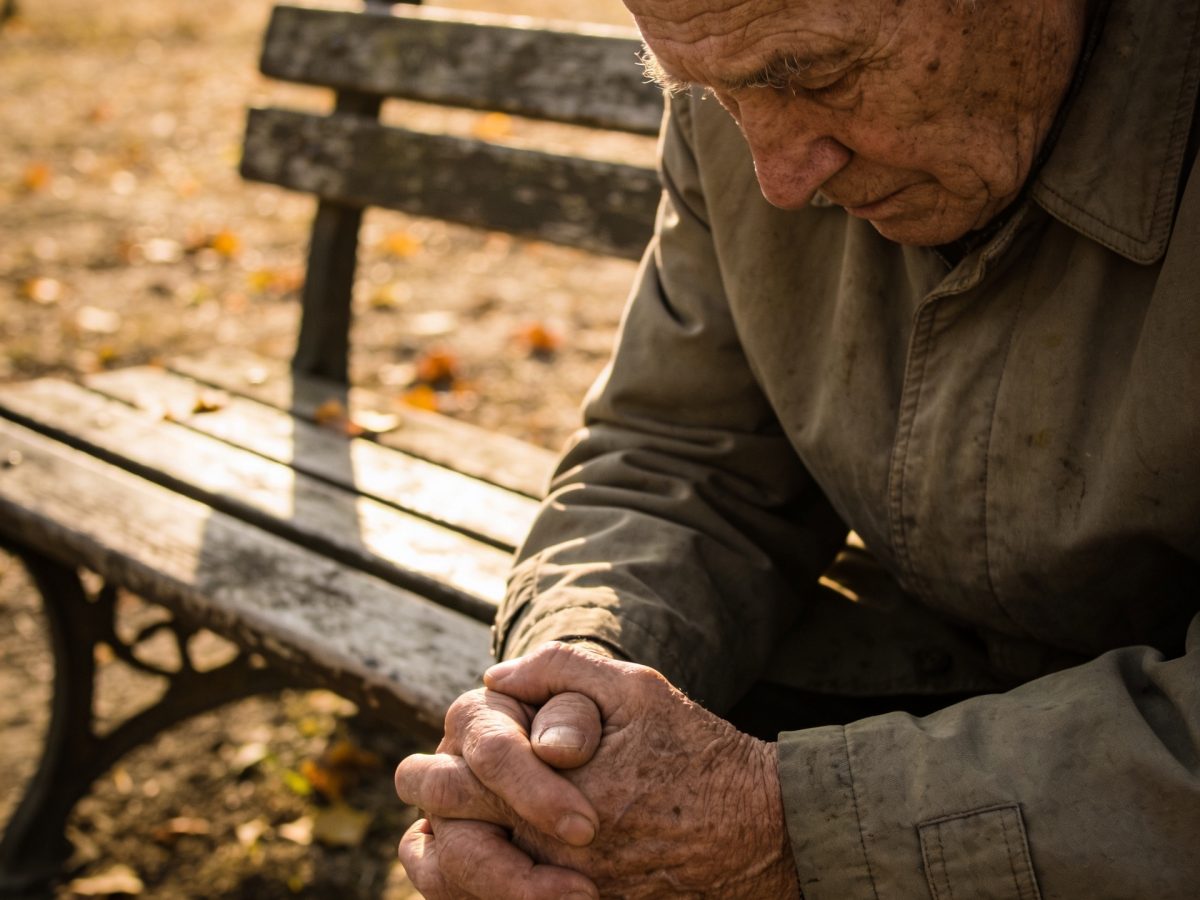
Malnutrition rarely has one cause. It often comes from a group of health, social, emotional, and practical problems. Long-term health conditions can affect appetite, swallowing, digestion, pain, energy, or food choices.
In the UK, most malnutrition-related deaths occur among older people or patients with severe underlying chronic conditions like advanced cancer, dementia, gastrointestinal diseases or Crohn’s disease, an inflammatory bowel disease (IBD). In these cases, the primary illness may affect a person’s ability to eat, digest, or absorb nutrients, eventually leading to malnutrition.
Diabetes, arthritis, COPD, chronic pain, heart disease, and high blood pressure can all affect eating patterns.
Mobility problems can make it difficult to do shopping, cooking, opening packaging and cleaning up afterwards. When food preparation becomes tiring, snacks may replace meals.
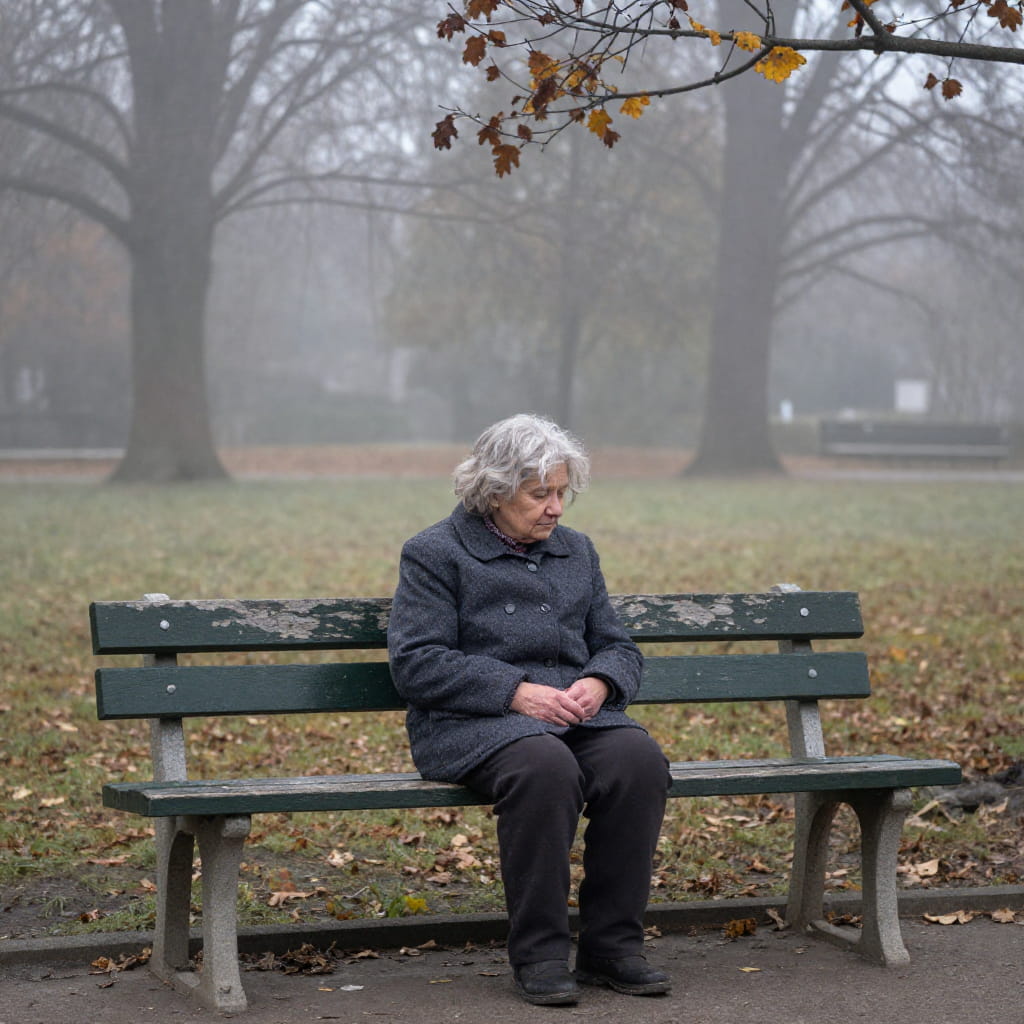
Life changes can also affect appetite too. Bereavement, loneliness, becoming a carer, money worries, isolation, and fear of losing independence can all reduce food intake. Someone who once enjoyed cooking may stop bothering after a partner dies. Someone living alone may feel that preparing a proper meal is too much effort for one plate.
Mouth and dental problems are also common. Loose dentures, sore gums, missing teeth, dry mouth, and swallowing difficulties, can make older people avoid harder foods such as meat, raw fruit, vegetables, and bread.
Malnutrition In Older People – Symptoms Carers and Families Should Look Out For
| Symptom | What Carers Should Observe | Why It’s Important | |
|---|---|---|---|
| Weight loss | Clothes, rings, or dentures become loose | The body may be losing fat, muscle, or both | |
| Smaller appetite | Meals are skipped or left unfinished | Low intake can reduce strength and immunity | |
| Tiredness | The person sleeps more or has less energy | Poor nutrition can affect the ability to move | |
| Chewing problems | Meat, fruit, and bread are avoided | Teeth, dentures, or swallowing may need review | |
| Confusion | Memory worsens near meals or drinks | Poor nutrition and dehydration can worsen thinking | |
| Slow healing | Wounds or infections take longer to improve | Protein, vitamins, and fluids may be too low | |
| Falls or weakness | Standing, walking, or stairs become harder | Muscle loss can increase fall risk | |
A Free Health Check Can Help to Identify And Prevent Malnutrition
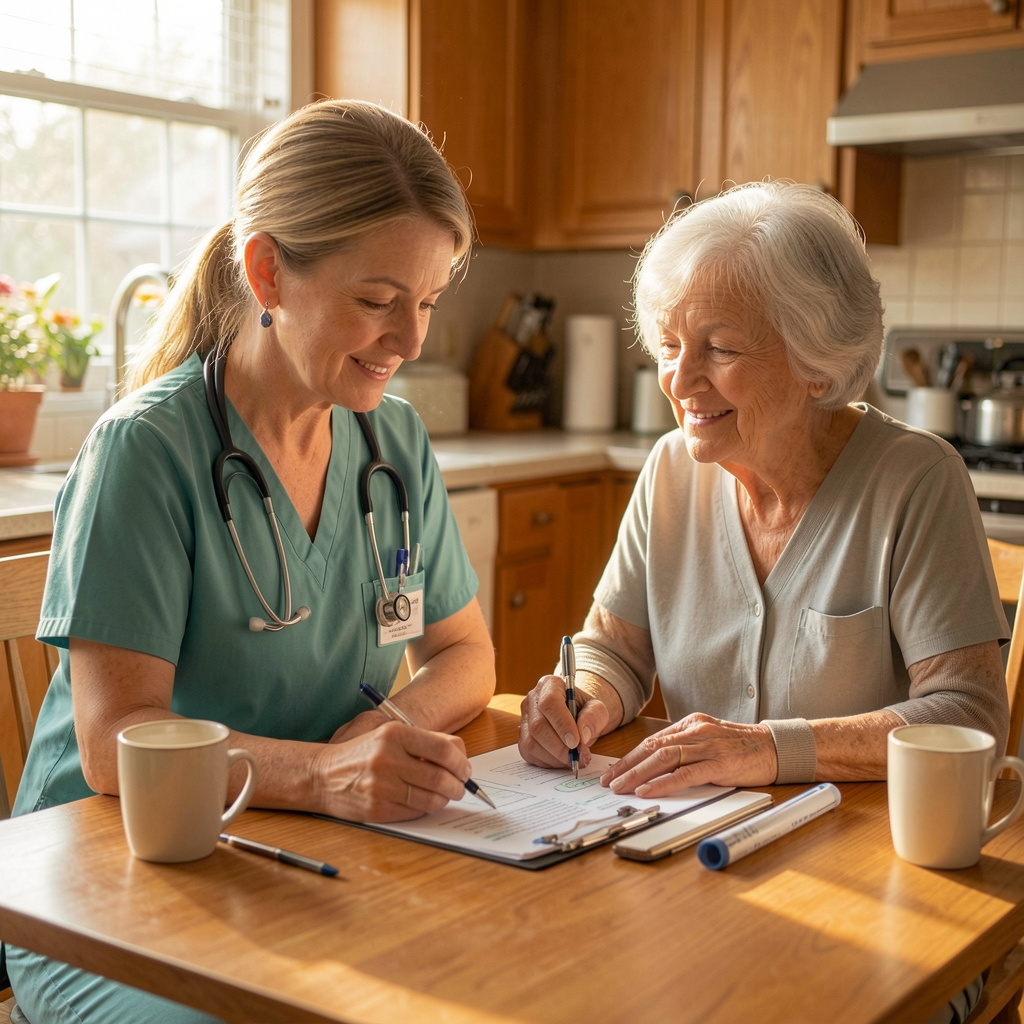
I believe that every adult in the UK over 65 should have an NHS Free Annual Health Check. This is normally carried out by your GP, Community Nurse or Health Practitioner.
The health check will review your weight, (BMI), height, blood pressure and blood tests to check for diabetes, heart or kidney disease, and compare the results to your last reading, if available. It also helps to identify any medical issues that may or may not be known about.
If you’re a home carer and your loved one has not been invited for a health check, you should contact your GP or Community Nurse and request one.
How Carers Can Assess Malnutrition Risk – helping to spot signs of malnutrition in older people
To help to spot potential signs of malnutrition carers can observe:
- If an older person consistently has regular biscuit or tea and toast meals
- Has empty cupboards, expired food in cupboards or fridges, untouched food in fridges
- Sudden food dislikes, loss of interest in cooking or eating, and being anxious during meals
- Signs which need attention, recording and reporting to managers, family members, GP’s and social workers or adult social care services, without delay.
- Changes such as eating patterns, which can be spotted early, and clear information can be shared with a care manager, GP, nurse, dietitian, dentist or adult.
Carers need to make records, which should include monitoring and recording of meals, drinks, skipped meals, appetite, weight changes, denture problems, swallowing concerns, bowel changes, illness, and refused foods.
The Malnutrition Universal Screen Tool (MUST) – helps to identify malnourishment in older people
In the UK, NHS services and care providers use the Malnutrition Universal Screening Tool known as MUST, to help to identify adults who are malnourished or at risk.
It is a five-step screening method for dietary and nutritional support.
- MUST looks at the BMI (Body Mass Index), using the height and weight. If the person’s height is difficult to measure, for example, if bed bound or has restricted mobility problems then trained staff may use the individual’s length from their forearm as an alternative measurement.
- It checks unplanned weight loss over three to six months.
- It considers acute illness, especially if someone has had little or no nutritional intake for over five days.
- These scores are added together.0 usually means low risk, 1 to 2 means medium risk, and two or above means the person is of a high risk of being malnourished.
- Creates a Care Plan that includes any medical or clinical support required, dietary meal plans such as ‘food first’ or nutritional supplements and local carer delivery support in the home.
Creating a Care Plan That Monitors Nutrition and Malnutrition Risk
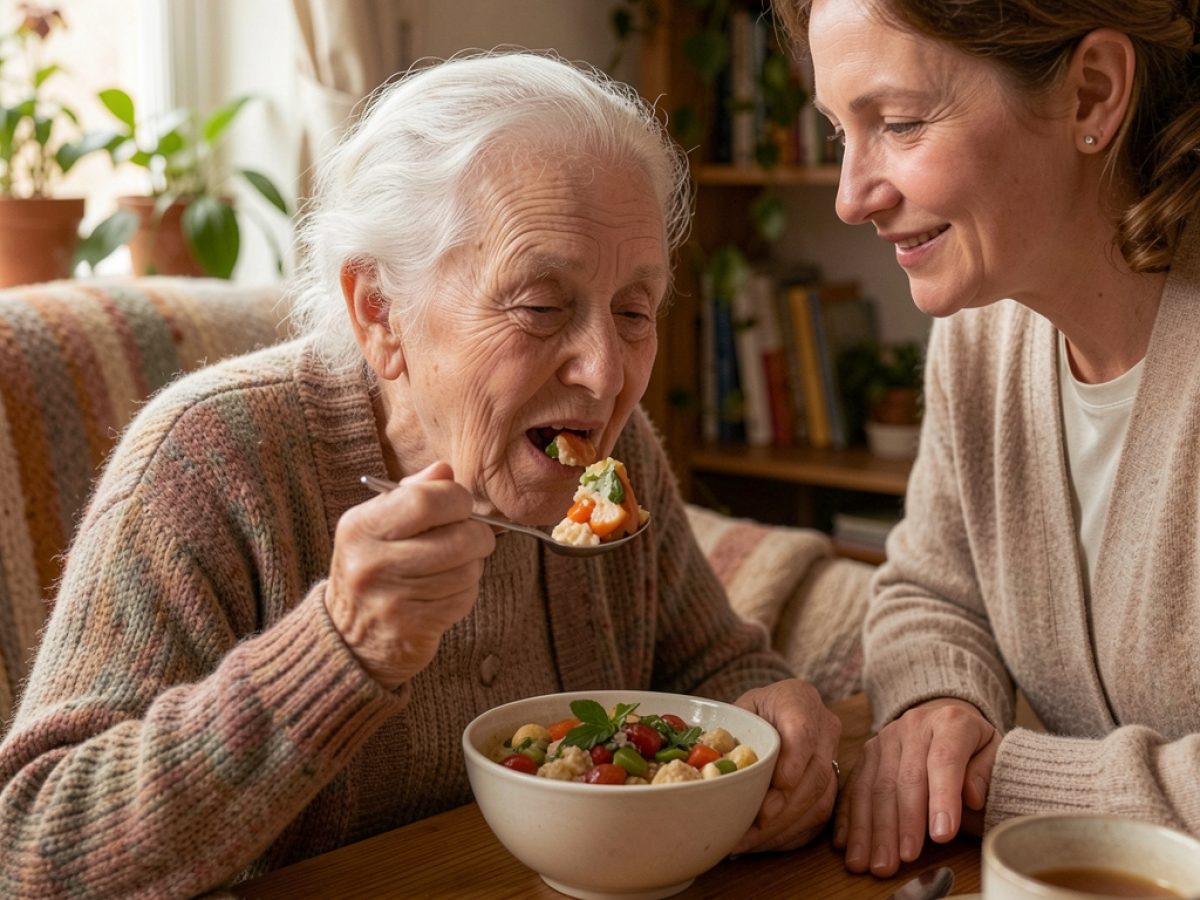
Choosing the right support means putting a clear care plan in place. This plan should record the older person’s daily diet, eating patterns, hydration, and routine food habits. Tracking this information helps families and carers quickly identify whether someone may be at risk of malnutrition, especially if they live alone, have a low appetite, or are recovering from illness.
A good care plan includes:
- Daily food and drink records
- Meal patterns (what they eat, when they eat, and how much they eat, and when they refuse to eat)
- Changes in appetite
- Weight changes or concerns
- Notes on food preferences, chewing or swallowing difficulties or the inability or lack of interest in preparing meals
Once this information is monitored, the level of risk becomes clearer.
- Low risk may simply require on-going monitoring and regular reviews.
- Medium risk often benefits may mean the older person may need a ‘food‑first’ support plan, by encouraging small, frequent meals, fortified foods, and closer observation of daily food intake.
- High risk may require a GP or dietitian referral, prescribed nutritional supplements, or a structured fortified meal plan to prevent further decline.
This helps to ensure that any changes in appetite, weight or well-being are spotted early giving your loved one the best chance to stay nourished, strong and independent, because malnutrition can affect muscle strength, immunity, healing, mood, memory, and the risk of falling.
Why Good Food Acts Like A Natural Medicine for Older People
Diet plays a powerful role in helping to prevent malnutrition in older people. What an older person eats can influence how well they fight off infections, boost their immune function, increase their energy levels, and their overall health and well-being.
Food is not a replacement for medical treatments, but a nutritious diet can offer protective, health benefits that support the body in ways medication alone cannot.
Many people describe this as food as medicine, not because food replaces conventional medical care, but because the right foods help the body to function at its best.
As a home carer, I appreciate the positive impact a good balanced diet can have on aiding the recovery from illness, and how good nutritious food can significantly improve older people’s health through weight gain, improved strength and mobility, and a healthier overall appearance. I have experienced this benefit with a family member who had poor health, as well as observing a reduction in the number of GP health-related visits.
A healthy diet can reduce the risk of many long‑term health conditions, but diet alone cannot treat every illness.
Many older adults still need clinical and specialist support, prescribed medication, medical monitoring, and professional healthcare.
Access to nutritious whole foods can also be limited by cost, mobility, or availability. Nutrient rich foods work together with medicines.
How Nutritious Foods Nourish and Protect the Body
Whole foods contain a powerful combination of nutrients that support the body in ways supplements cannot fully replicate. These nutrients work together to strengthen immunity, protect cells, support digestion, and maintain muscle and bone health.
- Vitamins and Minerals
Vitamins and minerals are needed in small amounts, but they are essential for health. Diets high in ultra processed foods often lack these nutrients, increasing the risk of illness.
For Example, Vitamin D helps regulate calcium and phosphate, which are vital for strong bones, teeth and muscles. Low vitamin D levels can lead to Osteomalacia (bone softening), which causes bone pain, muscle weakness, and a higher risk of bone fractures. Low vitamin D levels are also linked to reduced immunity and increased susceptibility to infections.
Vitamin B12 supports memory, balance, mood, and nerve function. Vitamin C supports healing and immunity, iron supports energy and breathing, and fluids help prevent dizziness, confusion, and constipation.
- Fruit and Vegetables
Vegetables, fruits, beans and whole grains contain antioxidants and polyphenols that protect cells from damage. Early research suggests these compounds often found in Mediterranean diets may help lower the risk of dementia, heart disease and high blood pressure.
- Fiber
Fiber supports digestion, prevents constipation, and feeds healthy gut bacteria. High‑fibre foods such as vegetables, beans, grains and fruits can help to reduce inflammation and support the immune system. Low‑fibre diets are linked to higher risks of colon cancer and strokes.
- Protein and Healthy Fats
Protein supports muscle strength, immune function, and recovery. Healthy fats help the body absorb nutrients and regulate inflammation. Omega‑3 fats, found in oily fish such as salmon, are linked to improved heart and brain health.
Together, these nutrients help the body stay strong, resilient and better protected against disease.
Why Good Food is Important for Older People
Nutritious diets rich in whole foods can help reduce the risk of heart disease, Type 2 diabetes. obesity, high blood pressure cognitive decline and inflammation‑related conditions. Diets high in sugary drinks, fast food, refined grains, and ultra‑processed foods increase the risk of chronic illness.
Beneficial healthy foods include eggs, fish, chicken, lentils, yogurt, dairy, fortified milk, leafy greens, meat, fortified cereals, citrus fruit, berries, potatoes, vegetables, beans, soup, herbal tea, and smoothies. A GP can advise on blood tests and safe supplement use, especially if B12 deficiency or iron deficiency is suspected.
For older people, the impact of nutrition is even more significant. Good food supports:
- Strength and mobility
- Mood and mental clarity
- Recovery from illness
- Immune function
- Independence in daily tasks
Food may not replace medicine, but it the daily power boost that we all need to support healthy ageing.
Malnutrition and Poverty in Older People in the UK
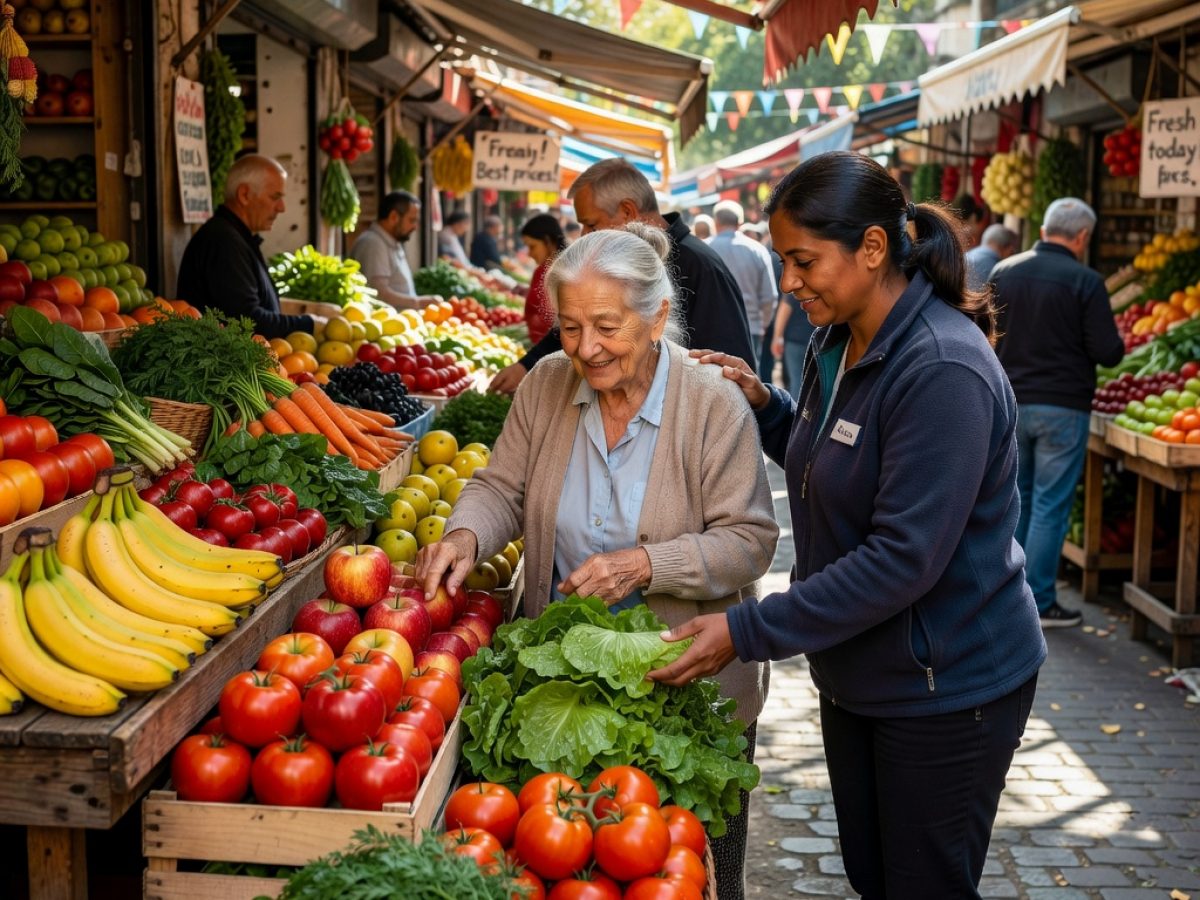
Millions of older people in the UK are struggling to afford the basics, and around 1.3 million are malnourished or at risk, according to Age UK. Rising living costs and low pension income mean many older people are forced to cut back on food to pay essential bills.
Over 90% of malnourished older people live in the community, not in care homes. This hidden group of hard‑to‑reach pensioners often suffers in silence, sacrificing meals simply to keep a roof over their head, this should not be the case, having food is a basic human right.
Malnutrition weakens the immune system, slows recovery after illness, and increases the risk of depression and emotional strain. It also places a huge financial burden on the NHS through more GP visits, longer hospital stays, and slower rehabilitation.
Despite being one of the wealthiest nations in the world, the UK faces a growing problem of malnutrition with our elderly, as the older population increases. Limited community support exists, such as Meals on Wheels UK, Age UK Community Aid, local Lunch Clubs, and Day Care Centres, but many isolated older adults still fall through the cracks.
This older generation deserves protection, dignity, and the basic right to food. Tackling malnutrition must become a priority.
Malnutrition, Dementia, And Living Alone
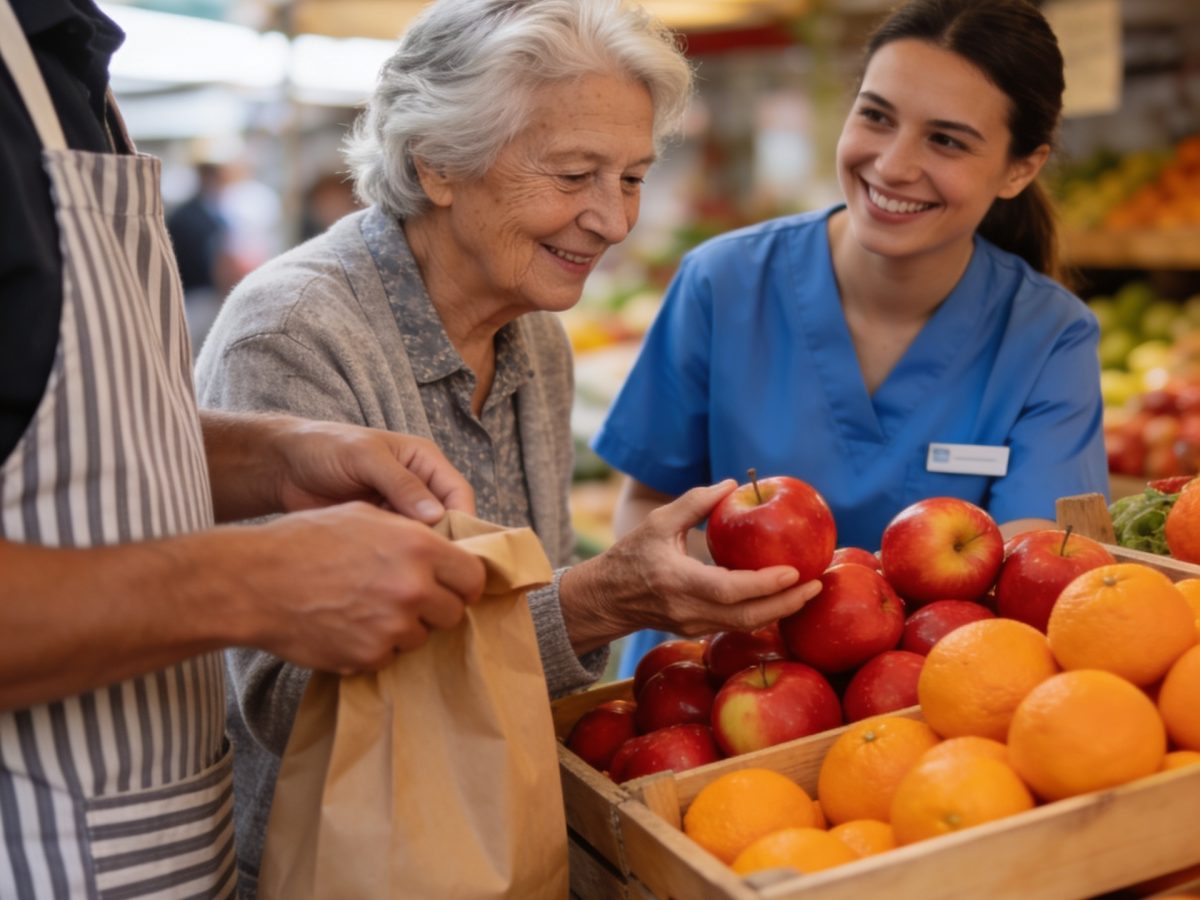
Dementia may cause a person to forget meals, lose interest in eating, struggle with the use of cutlery, and get distracted before finishing a meal, and some people may say they have eaten when they have not. Dementia can also affect taste, smell, swallowing, and food preferences.
Later stages of dementia may cause coughing during meals, food pocketing in the cheeks, or fear during meals.
Carers can help by offering smaller portions, offering soft food alternatives, familiar foods, finger foods, serving meals in good lighting, on brightly coloured plates so that food can be easily seen, and with calm and consistent routines.
Poor nutrition, dehydration, and vitamin deficiencies can make confusion worse and may cause symptoms that look like dementia.
Relationship between diet and dementia in older people
Evidence now shows that what we eat and drink can influence our risk of developing dementia. A healthy, balanced diet supports brain function by providing the energy, fluid essential nutrients the brain needs to function properly.
When someone isn’t eating enough calories or key nutrients, the risk of dementia increases, and existing symptoms such as memory loss can progress more quickly.
The Alzheimer Society indicates that a recent study suggested that sticking to a Mediterranean diet could reduce dementia risk by up to 23%.
There is also strong evidence that the Mediterranean diet, which is rich in vegetables, fruit, wholegrains, pulses, oily fish, nuts, seeds and olive oil, with only small amounts of red and processed meat, butter and sugar, can help lower the risk of cognitive decline and dementia.
These types of diet may help to protect against some of the damage to brain cells associated with Alzheimer’s disease. Research has suggested that this may be beneficial to help maintain memory and thinking skills.
While diet cannot reverse or cure dementia, it can help to reduce the risk factors like high blood pressure and high cholesterol, both are strongly linked to cognitive decline.
The NHS Eatwell Guide offers a simple, practical guide that indicates that our diet should consist of vegetables, fruit, wholegrains and high fiber starchy foods; choosing plant proteins such as beans and chickpeas; reducing red and processed meat; including two portions of sustainably sourced fish each week (with at least one oily variety such as salmon), choosing unsaturated oils such as olive or vegetable oil; and limiting foods high in fat, sugar and salt.

Malnutrition for those Living Alone
An Age UK report indicates that there are over one million older people who are chronically lonely in the UK. Older people are often vulnerable to loneliness due to a wide range of factors such as widowhood, deaths of relatives or friends, poor functional status, lower income and retirement.
Living alone can also increase the risk of malnutrition because food problems are easier to hide. Carers can support independence through labelled meal portions, shopping support, healthy ready meals, frozen meals, small snack packs, lunch clubs, befriending visits, and regular phone check-ins, with family and friends.
Family, friends, or carers can help with shopping or ordering food for home delivery. Stocking up on longer-lasting convenience foods such as tinned, dried, and frozen foods can be useful. The British Dietician Association ( BDA), have produced a useful basic store cupboard ideas guide.
There are also meals on wheels, and other meal delivery services that can deliver ready made meals directly to the home to help overcome the difficulty of not having access to food, when older people live on their own.
Food First And Elderly Nutrition Supplements
Elderly nutrition supplements may help when food intake is too low or refused especially after illness, surgery, weight loss, or poor appetite
‘Food-first’ support is the best way. This means making meals richer in calories and protein and even formulating foods with added vitamins rich ingredients, for example, soft cereals like cornflakes can be naturally fortified with fruit such as blueberries, slices of banana, chopped, strawberries, raspberries or grapes. Porridge can be made with full-fat milk. Mashed potatoes can include butter, olive oil, cream, or grated cheese. Soup can include lentils, cream, chicken, or beans. Yoghurt can include banana, honey, or fruit.
Nutrition drinks, fortified milk, protein shakes, and prescribed supplements can help some older people. However, people with diabetes, coeliac disease, kidney disease, liver disease, inflammatory bowel disease, heart failure, swallowing problems, or fluid restrictions should get professional advice first before taking any dietary or nutritional supplements.
What Carers Should Do If They Notice Warning Signs
Carers should act early if they notice weight loss, smaller appetite, loose clothes, loose dentures, poor food intake, repeated tiredness, or difficulty chewing and swallowing.
- Keep a simple record of meals, snacks, drinks, weight changes, appetite, bowel changes, coughing during meals, and refused foods.
- Check practical barriers such as shopping, packaging, cooking, cutlery, memory, money, and cleaning up.
- Request professional help. A dentist can help with dentures or mouth pain. A GP or pharmacist can review side effects. A GP, nurse, or dietitian can review weight loss, swallowing concerns, blood tests, meals, and supplements.
- Urgent medical advice is needed if an older person has sudden weight loss, choking or coughing during meals, severe weakness, confusion, signs of dehydration, repeated infections, or very little food or fluid intake.
- Carers should not hesitate to report these issues through the appropriate channels immediately.
10 Tips for Carers To Help Malnutrition In Older People
Ensure that all dietary and medical requirements are met in accordance with the elderly person’s care plan first.
- Use full-fat milk, yoghurt, fruit smoothies, cheese to add nourishment in small portions.
- Add protein to meals through eggs, fish, chicken, lentils, beans, yoghurt, and cheese.
- Offer regular fluid drinks daily, water, fruit juice, tea, unless medical fluid limits apply.
- Serve smaller meal portions more often if three full meals feel too much.
- Offer snacks such as yoghurt, cheese, crackers, rice pudding, banana, milky drinks, or soft fruit.
- Use healthier oven ready meals, fresh prepared soups from cartons, fresh pasta meals, when cooking feels tiring.
- Keep favourite high-calorie foods within easy reach such as cheese and eggs.
- Keep three days of food at home where possible, especially during illness, bad weather, low energy, or missed shopping trips.
- Track appetite, weight, drinks, and skipped meals so changes are easier to spot early.
- Seek professional advice and support if there are concerns about an individual’s poor, eating habits, weight loss or illness.
My Final Thoughts
Writing this blog opened my eyes to just how widespread malnutrition in older people is across the UK. I hadn’t realised the scale of pension poverty, or how deeply it affects daily life for so many older people. It’s clear that, as a society, we still have a long way to go to ensure people can age with dignity, health, and security.
As someone who has cared for family members for more than five years, I’ve seen first‑hand how powerful good food can be. Nutritious meals helped my loved ones recover after illness and regain strength after hospital stays. Food isn’t just fuel for the body, it’s a foundation for healing, independence, and long‑term wellbeing.
My mother once said, when asked why she still cooked at her age, she said, “My body is my temple, and the food I eat are the jewels I put in it.” That simple truth has stayed with me. It captures exactly why nutrition matters at every stage of life.
And yet, we live in a society where far too many older people are denied these “jewels”, the nourishing meals that support their health, enrich their days, and help them age well. It’s difficult to accept that in one of the wealthiest countries in the world, so many older adults are going without the basics.
The King’s Fund describes malnutrition as “the Pandora’s box of healthcare we try not to open”, and they’re right. The issue is complex, uncomfortable, and often hidden, but it urgently needs attention. With an ageing population, the problem will only grow unless we act now.
Supporting older people to eat well isn’t just a health priority; it’s a moral one. Ensuring that every older person has access to good food is the very least a caring society should do.