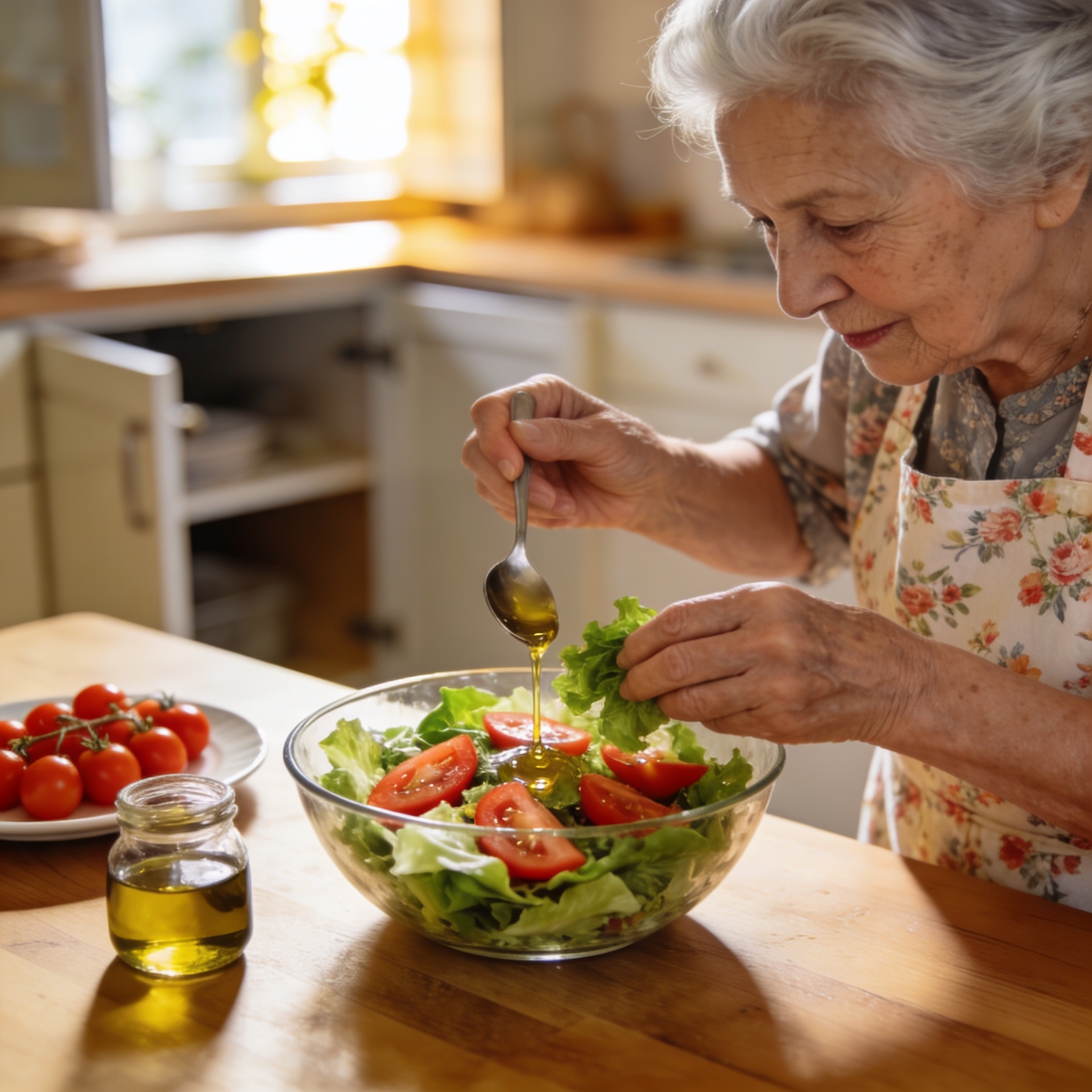
7-Day Meal Plan For Older People – Soft Foods, Nutrition Drinks and Vitamin Support
A 7-day meal plan is a good way to help older people have a healthy and consistent diet. A meal plan for older people should take into consideration allergies, dietary and cultural preferences, swallowing concerns, cultural needs, medical instructions, and advice from a doctor or registered dietitian.
Appetite changes, chewing problems, medication timing, hydration, digestion, blood sugar, and energy levels can all affect daily eating habits.
A 7-day meal plan for elderly care gives carers a clear structure while leaving room for familiar meals and personal preferences.
Why Good Nutrition is important In Older Age
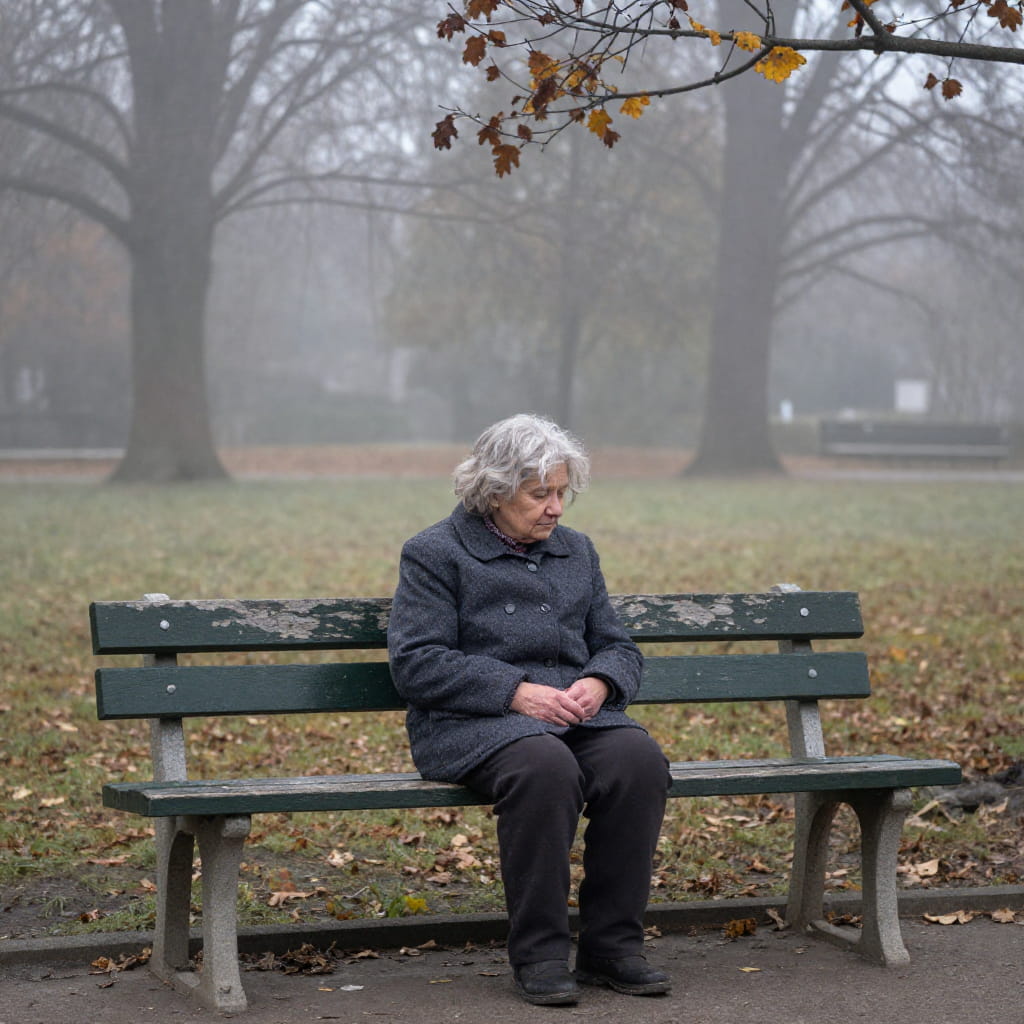
The importance of nutrition for older people becomes clearer when daily eating habits start to change. This is due to several reasons, as we get older our metabolic rate slows down, which means that we can often eat less, encounter digestive problems or have a decreased sense of smell or taste. Dental problems that result from chewing issues, loneliness, affordability, mental health issues and even depression, can affect an older person’s ability to eat properly.
A reduced appetite leads to a reduction of the daily required food and nutrient intake, which can ultimately lead to malnutrition.
The Malnutrition Task Force reports that in the UK, estimates suggest that there are around 1.3 million people over 65 that suffer from malnutrition. The vast majority (93%) live in the community. One-third (32%) of people in the UK aged 65 years or over, are at risk of malnutrition on admission to hospital.
Why A Reduced Appetite in Older People Leads To Poor Nutrition
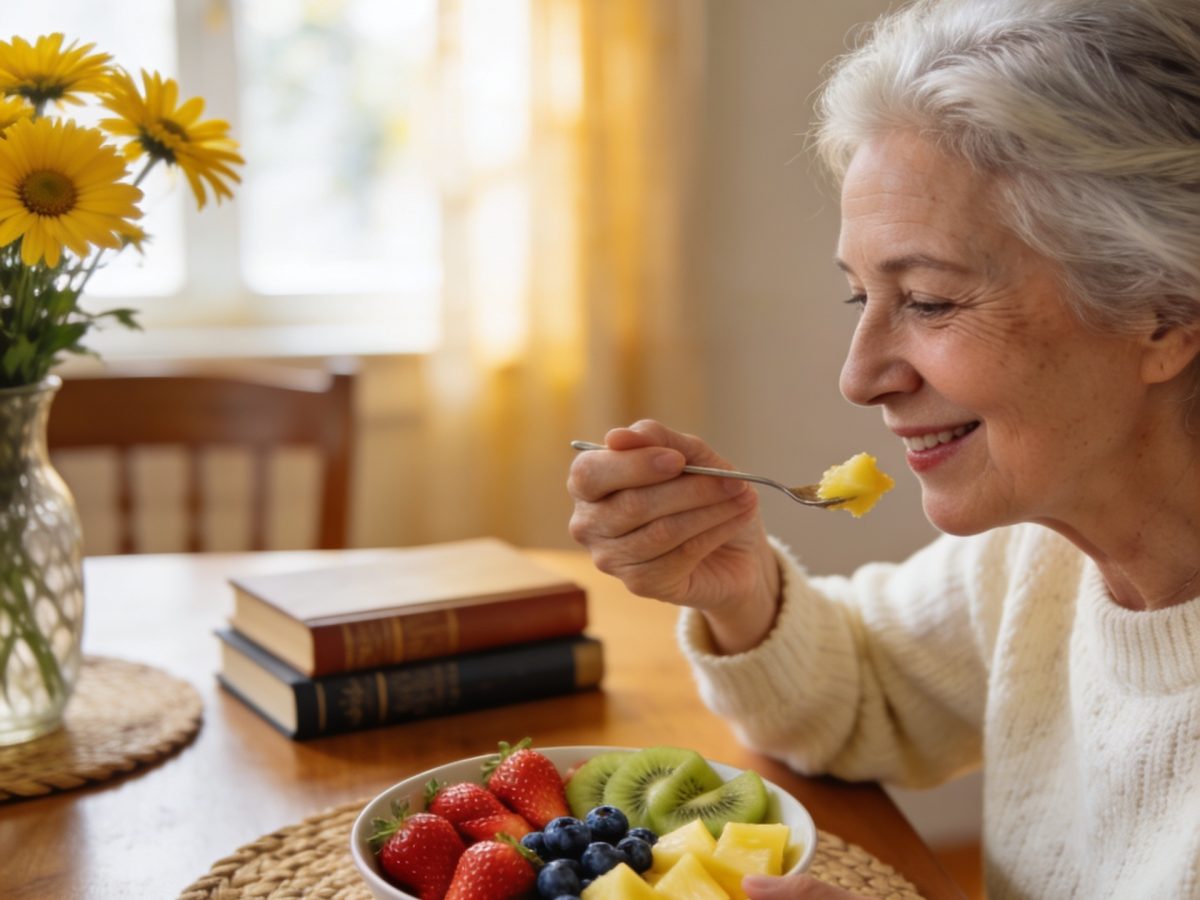
A reduced appetite is one of the most common, and one of the most over-looked reasons why older people don’t get the nutrients they need to stay fit and well. When someone eats less, they naturally take in fewer calories, proteins, vitamins and minerals.
Over time, this creates a ‘nutrient gap’ between what nutrients they need to stay healthy and what they actually eat. This ultimately affects their strength, immunity, mood, digestion, fragility and mobility.
Poor nutrition in older people can result in weight loss, tiredness, weakness, low appetite, poor concentration, and slower recovery from illness. The phrase death from malnutrition with the elderly sounds severe, yet it points to a real risk when a poor diet continues for a long time.
A Carer’s Role in Supporting Healthy, Enjoyable, Stress Free Eating
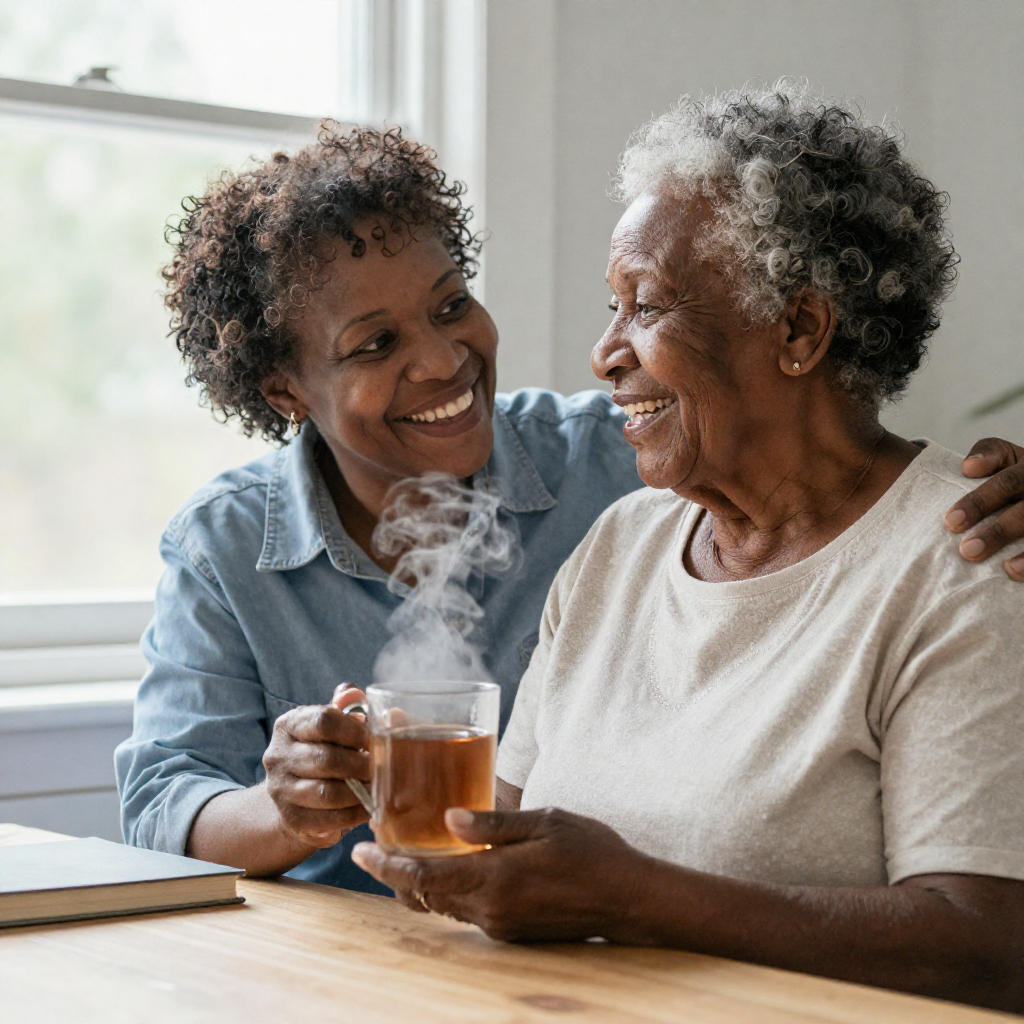
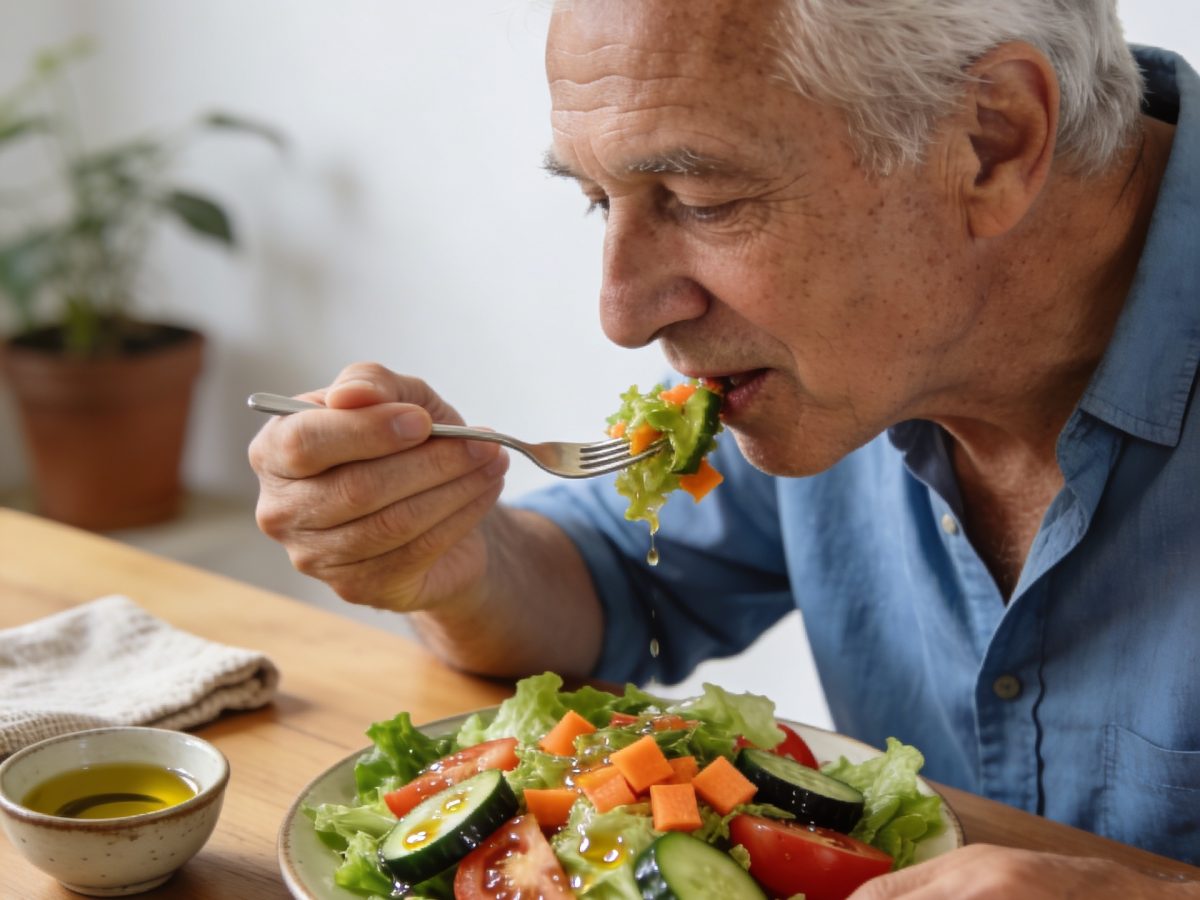
A carer’s role is vital to encourage and support older people to have a balanced diet, with meals that they want to eat and enjoy eating. I spend time with my family members, to find out what foods they enjoy eating and can eat without being apprehensive or stressed about eating a meal. A 7-day meal plan can help to avoid this.
10 Tips to encourage older people to have a healthy diet
- Offer small but regular meals throughout the day e.g. 3 to 4 times a day.
- Use softer textured meals if chewing or swallowing is difficult e.g. soups, soft eggs and a pureed food diet.
- Serve food you know they like and enjoy eating. Fish and Chips is one of my family member’s favourites.
- Provide nourishing snacks between meals e.g. a slice of cake, scone with butter and jam, yogurt with sliced banana or mini finger fruit bowls.
- Give food a natural flavour to make meals more enjoyable for older people, who may have a reduced appetite or prefer natural tastes. Using fresh herbs such as thyme and rosemary can bring depth to vegetables, soups and stews. Oregano and turmeric add warmth and colour to meat dishes, while fresh parsley is the perfect companion for fish.
- Encourage hydration through-out the day with water, fresh juices, hot drinks, soups and smoothies.
- Create a meal-time environment that is calm and comforting, such as having a tray meal whilst watching a favourite programme in front of the TV, or at the table looking out of the window.
- Don’t rush meal-times and stick to a familiar routine. Many older people like to stick to the same routine every day, e.g. breakfast at 8am, lunch at mid-day and dinner at 5pm. Very often older people, like to eat in the same place at the same time with foods they are familiar with, and enjoy eating.
- Look out for signs of stress or discomfort at meal-times, such as fidgeting, slow eating, emotional outbursts, sulking or even crying, and seek help if needed, to manage these.
- Monitor and record weight and appetite weekly to track weight loss and appetite reduction and report accordingly.
How I Used Three Meal Plans To Support Recovery After Being Discharged from Hospital
When a family member came out of hospital after breaking her hip, she was extremely weak, under-nourished and on the border of suffering from malnutrition.
Her appetite was small, she often refused food, and eating required gentle encouragement and patience. I realised that I had to deal with my concern for her health and nutrition, in an encouraging, supportive, and tactful way.
I developed three different meal plans, each one supporting a different stage of her recovery, from soft foods to transitional meals, to a fully balanced diet for older people.
These stages may help other families caring for an older adult whose appetite has changed after illness, injury, dementia, or post- hospitalisation.
Stage 1: A Soft Food Meal Plan for Elderly People – Rebuild Strength After being in Hospital
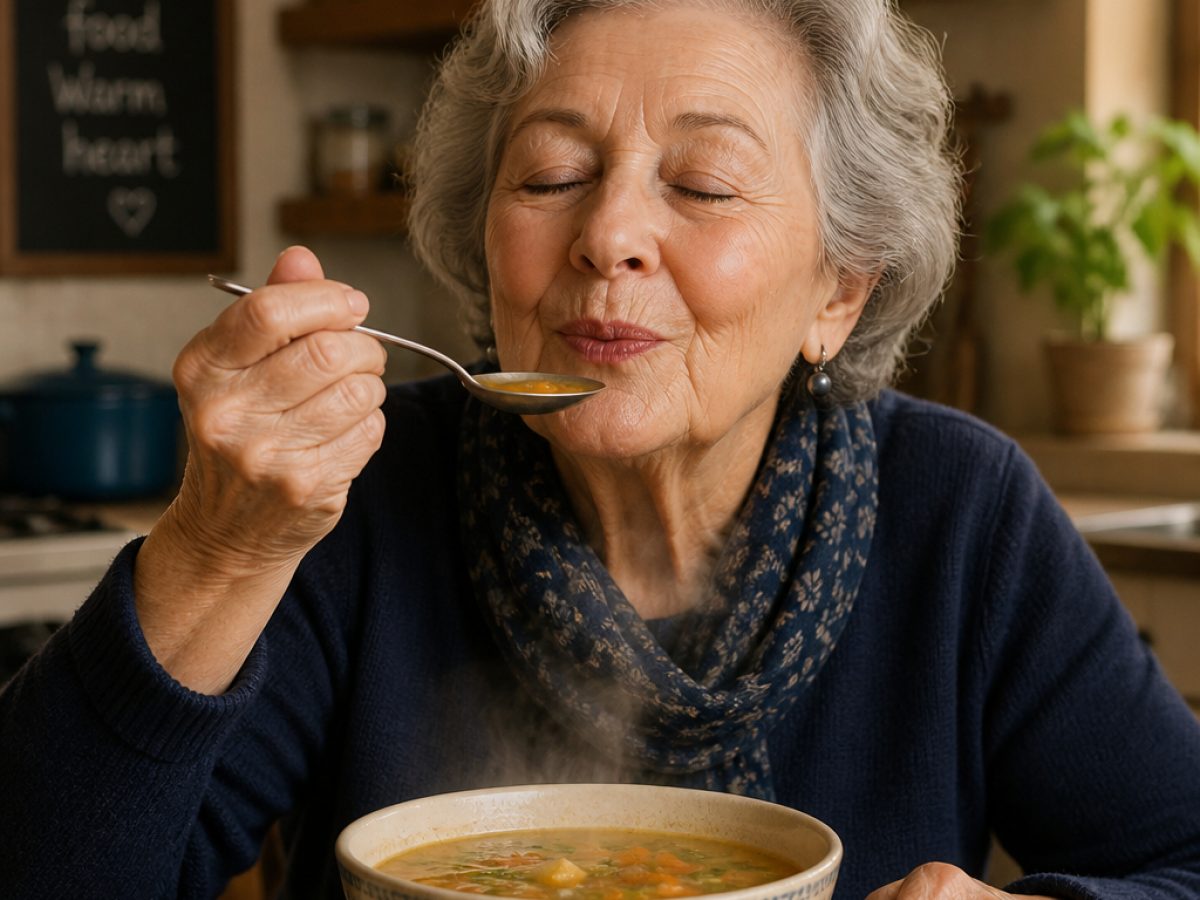
In the early weeks, her appetite was very small, and she struggled with heavier meals. Soft foods were easier to manage, gentle on her digestion, and less overwhelming.
My focus was on boosting her appetite, rebuilding strength, and preventing further weight loss, so I wanted to give her a mixture of high calorie and high protein soft foods, which I researched as being good for older people.
To encourage her eating her diet consisted of mainly ‘soft foods’ which are nutritious for elderly people such as:
- Homemade soups (various vegetables and broths such as chicken broth)
- Homemade fruit smoothies
- Organic oats porridge with honey
- Greek yogurt and honey
- Soft eggs, such as scrambled eggs, soft boiled eggs
- Soft fruits such as strawberries, grapes, pitted prunes, mashed bananas
- Mashed potatoes with butter and mixed with mashed vegetables (carrots, parsnips, peas)
- Minced meat meals for easy chewing and digestion
These foods are easy to prepare and eat, are warm, comforting, nutrient rich, and they are ideal for someone recovering from trauma, illness and long hospital stays.
Stage 2: Transitional Meal Plan – When Appetite Starts to Return
After several weeks, her appetite slowly increased. She began eating slightly larger portions and started to eat more frequently.
This was the point where I introduced a mix of soft foods and more substantial meals, especially at dinner time when she felt hungrier.
The stage 2 diet consisted of:
- Soups and Smoothies
- Battered fish or chicken with vegetables
- Omelettes with toppings of choice
- Stuffed peppers (one of her favourites)
- Greek yogurt with fresh fruit
- Fresh pasta dishes
- Fish and meat stews
- Quiches
- Salads
- Plenty of fruit and vegetables such as prunes, mashed banana
- Ice Cream with fruit or soft cream cakes.
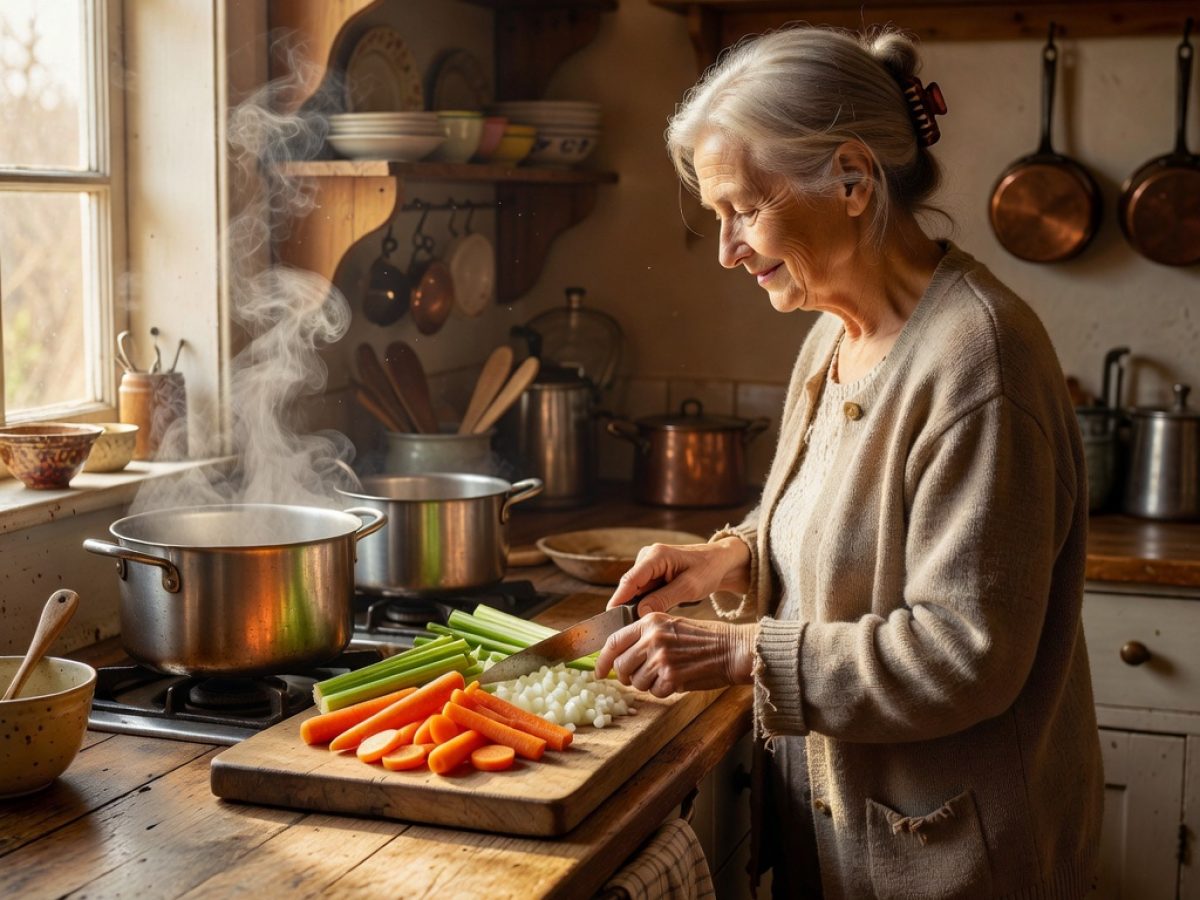
This stage helped her transition safely from gentle soft foods to more varied, satisfying meals without overwhelming her. I’m happy that she is now more comfortable, has re-gained her strength, gained weight, her sense of humor and her interest in all around her.
3. Balanced Meal Plan: A Healthy, Enjoyable Long-Term Diet for Older People
Two years on, she has gained significant weight, increased her overall body strength, and now she enjoys three hearty meals a day. Her diet is balanced, varied and full of her favourite foods, with daily fruit snacks and some of her favourite treats.
A Simple, Healthy Weekly Meal Plan For Older People
Here is an example of one of the weekly meal plans I create for a family member. I support her with her shopping, so that meals are based on what she enjoys, what she will actually eat, and keeps her well-nourished.
We avoid ultra-processed foods (UPF’s), and focus on simple, familiar foods that are easy to prepare and gentle on digestion.
I also share this 7-day meal plan with professional carers, so they know exactly what meals to prepare when I’m not around. This consistency helps her feel secure and ensures she always receives the meals she likes to eat.
| Day of Week | Breakfast | Mid-morning Snack | Lunch time | Afternoon Snack | Dinner | Hydration |
|---|---|---|---|---|---|---|
| Monday | Home-made Porridge with honey | Toast with marmalade | Tomato Soup, bread, slice of cake | Bowl of Grapes /flapjack | Chicken Kiev/ vegetables/ cake | Water, Tea |
| Tuesday | Cornflakes. Berries/ bananas/milk | Toasted Crumpet | Ham salad sandwich, Eccles cake | Banana/ digestive biscuit | Jacket potato & salad/ice cream | Water, Tea, Cranberry Juice |
| Wednesday | Home-made Porridge with honey | Buttered Toasted Teacake | Chicken and Vegetable Soup, brown bread | Scone with butter & jam | Sausages, mash potato with carrot & peas/ cheesecake | Water, Tea |
| Thursday | Special K, Fresh Strawberries, prunes, slice banana/milk | Toast with butter/ jam | Toasted cheese & Onion Sandwich | Fruit bowl/ chocolate biscuit | Homemade Pizza with salad/ice cream | Water, Tea |
| Friday | Bran Flakes, berries/ mango pieces/milk | Toast with marmalade | Beef and salad sandwich | Slice of Victoria sponge cake | Battered cod, chips & peas/ ice cream and fruit | Water, Tea |
| Saturday | Home-made porridge with honey | Toasted crumpet | Tomato and basil soup, brown bread | Digestive biscuits | Lamb burger, chips & salad/Trifle | Water, Tea, Cranberry Juice |
| Sunday | Cornflakes with berries, banana & banana/milk | Scone with butter& Jam | Chicken salad Sandwich | Grapes and slice of cake | Roast Chicken dinner/cream cake | Water, Tea |
A Simple Breakfast – Morning Comfort and Easy to Eat
She loves oats porridge, so I make it two to three times a week. I soak some oats in a bowl with whole cream milk, cinnamon, mixed spice and vanilla essence, and leave it over night in the fridge. It takes just 15 minutes to cook in the morning and comes out soft, creamy and easy to digest.
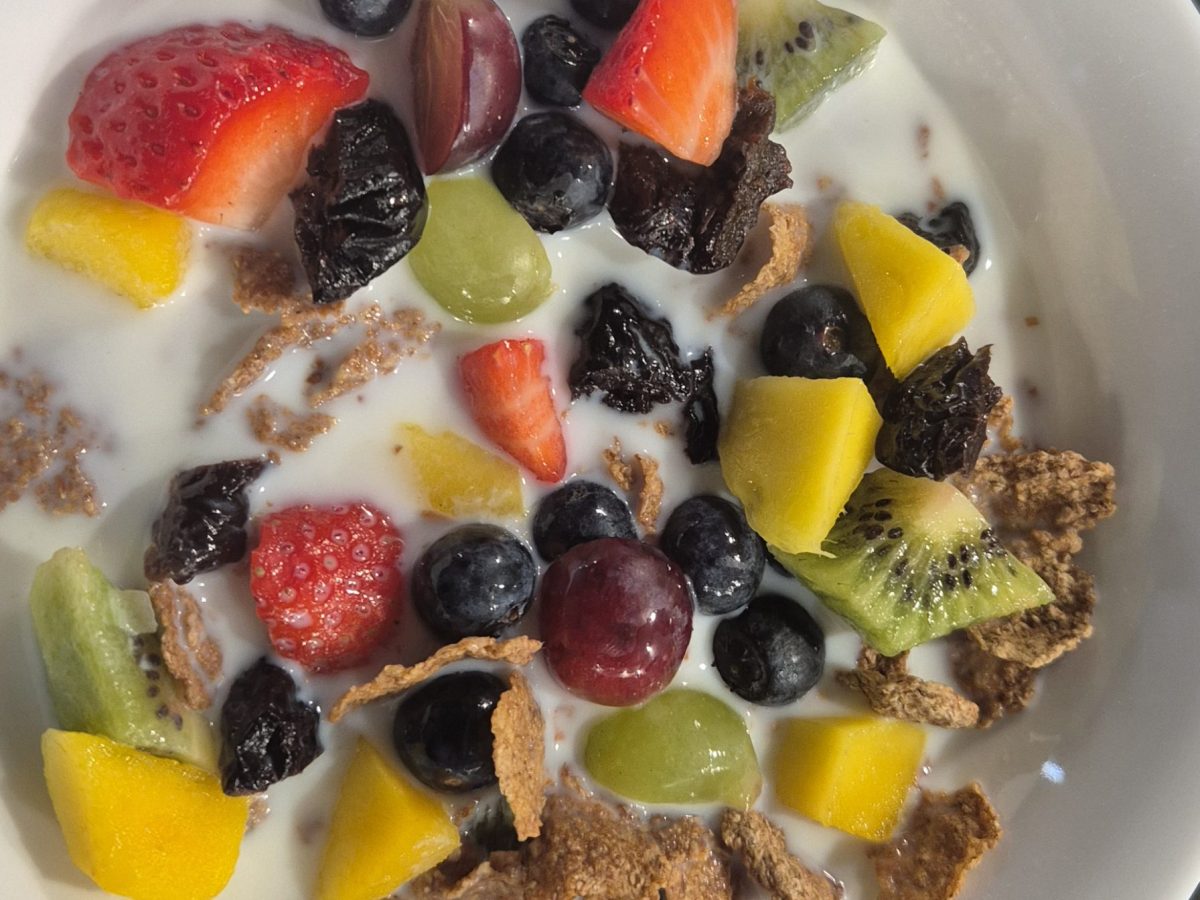
On days when porridge isn’t on the plan, she has Greek-style yogurt, Special K or Bran Flakes with a selection of fresh fruit such as strawberries, blueberries, kiwi fruit, sliced banana, grapes, mango or pineapple pieces. This gives her a nutritious, and healthy enjoyable start to the day.
Lunch – Light, Simple and Nutritious
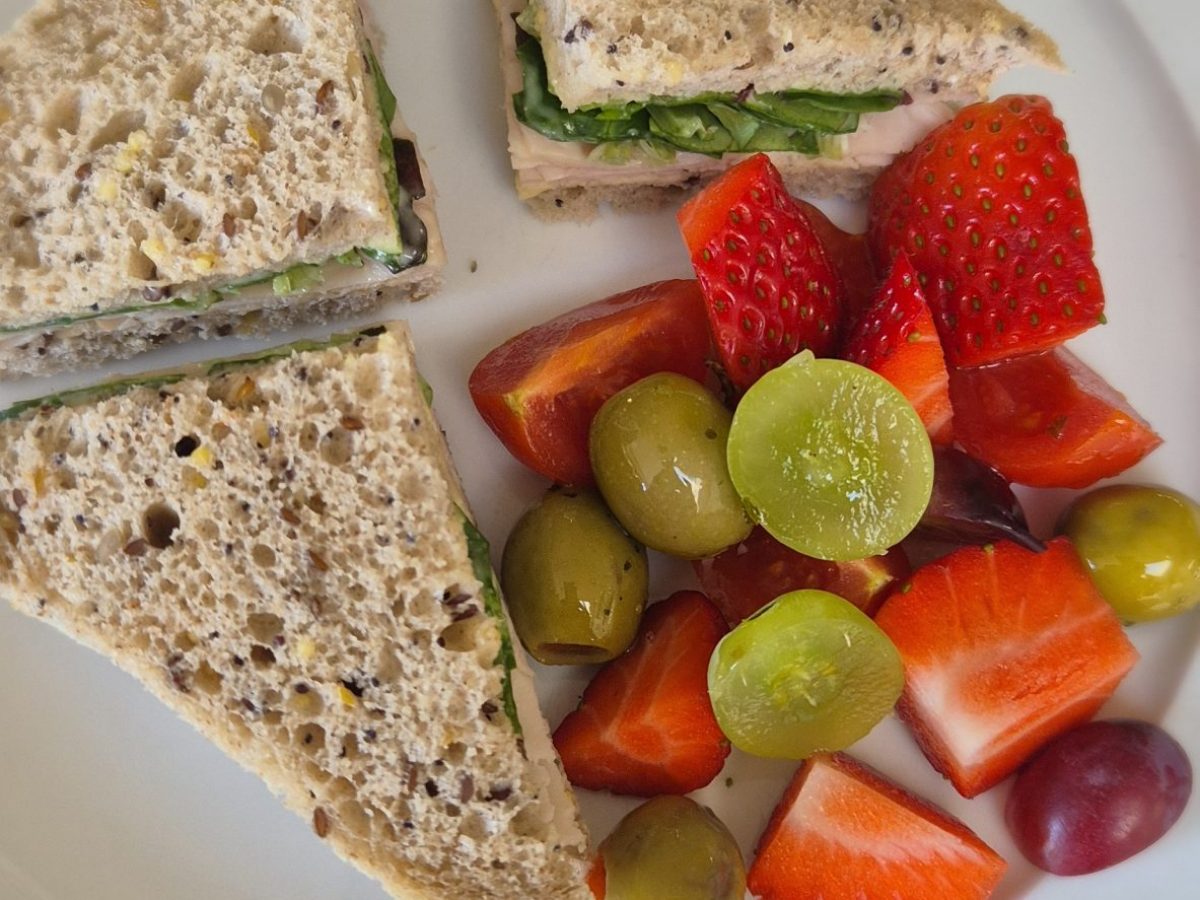
Lunch is a simple, easy familiar meal. It’s usually a brown seeded bread sandwich with either sliced chicken, ham, turkey, beef or tinned salmon. I add small extras like mini tomatoes, beetroot, olives, strawberries or grapes, cut to suit her needs. These nutrient rich foods, help her work towards her 5- A-day, something we talk about often.
Evening Meal – The Main Meal of the Day
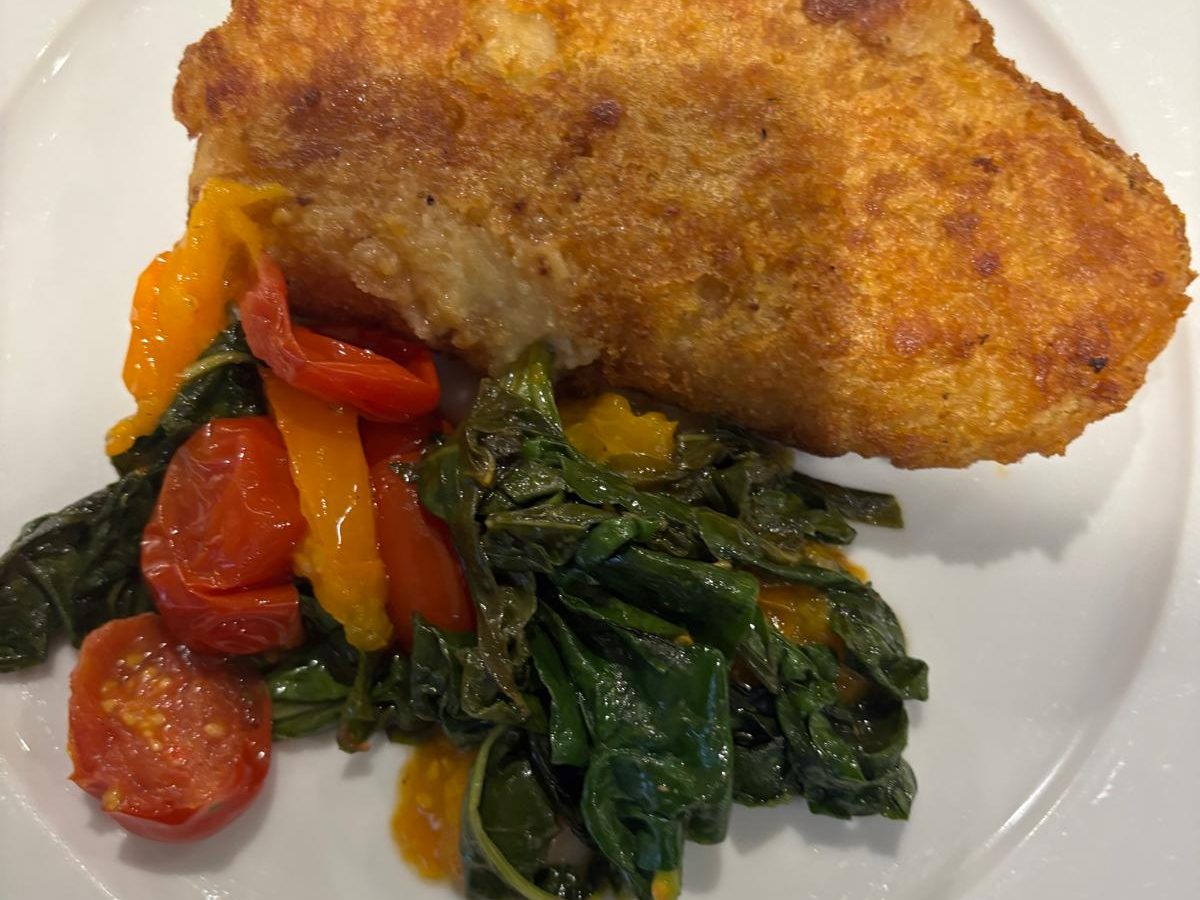
Dinner is the main meal of the day; it’s a more substantial meal. We choose meal options that take no more than 30-40 minutes to prepare so she can eat, relax and get settled into bed comfortably afterwards.
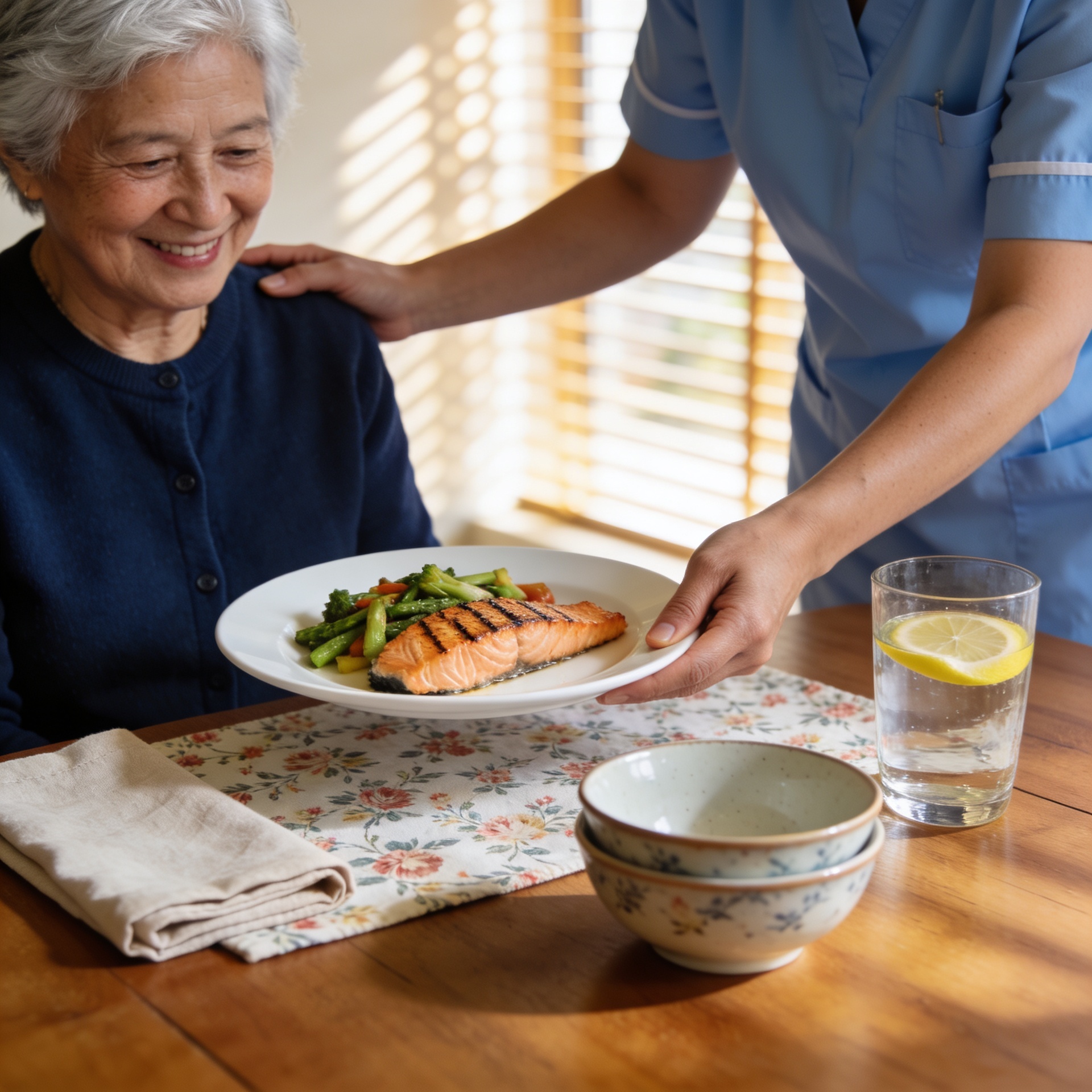
Typical evening meals include oven-baked chicken kiev with vegetables, cottage pie or shepherd’s pie, jacket potato with grated cheese and salad, and fish and chips on Fridays, it’s a favourite tradition. We choose these meals together each week, so that we can select foods she enjoys and will happily eat.
This approach keeps meals, simple, familiar, enjoyable and easy to prepare. She always likes a pudding afterwards, something like, ice cream and peaches, a cream cake or trifle, followed by a cup of tea.
Seven Key Nutrients for a Balanced Diet In Older Age
A balanced diet for older adults should support energy, strength, digestion, hydration, bone strength, immunity, and daily functions. Older adults may need smaller portions than younger adults, but nutrient-rich meals still matter.
A good balanced diet is best when there is 25% protein, 50% vegetables and 25% carbohydrate.
| Nutrient | Why It Matters | Example Food Sources | |
|---|---|---|---|
| 1. Protein | Supports muscle and repair | Eggs, fish, chicken, yogurt | |
| 2. Carbohydrates | Provide daily energy | Oats, rice, potatoes, bread, fruit | |
| 3. Healthy fats | Add energy and fullness | Olive oil, salmon, peanut butter, sardines or tuna | |
| 4. Fiber | Supports bowel regularity | Beans, fruit, vegetables, pulses | |
| 5. Vitamins | Support nerves, blood, skin, and bones | Vegetables, eggs, dairy, fruit | |
| 6. Minerals | Support bones, blood, and muscles | Dairy, beans, greens, meat | |
| 7. Fluids | Support hydration and digestion | Water, milk, juices, soup, tea | |
Some Signs That Meals Need Extra Attention
Meals need extra attention when food is missed, clothing or dentures feel loose, mouth pain changes food choices, dizziness or dark urine appears, memory changes or when meals are rarely eaten.
These signs can help carers to track intake, offer softer meals, add nourishing snacks, and seek medical advice when concerns continue.
Best Soft Foods for the Elderly and Easy Meal Ideas
Soft foods for older people help when chewing is tiring, dentures hurt, swallowing needs care, or appetite improves with easier textures. Soft meals should still include protein, fiber, flavour, and familiar food traditions. Soft foods for elderly without teeth, food texture matters just as much as the ingredients.
Foods should be tender, moist, and easy to mash with the tongue or gums. For soft foods for older people with dementia, familiar dishes, coloured plating for easy visibility, finger-friendly options, and regular meal-times can reduce stress.
Vegetable soup, mashed potatoes, soft vegetables, scrambled eggs, soft-boiled eggs, soft fish, yogurt, cottage cheese, oatmeal, rice pudding, stewed fruit, and chicken broth are a few examples of foods that work well.
Why Older People Need To Avoid having Ultra Processed Foods (UPF’s)
Ultra‑processed foods (UPFs) now make up 54% of the total food intake in the UK adult diet, a level that continues to worry public health experts. Research by the National Library of Medicine, has identified three main UPF eating patterns in the UK, Sweet Foods, Fast Foods and Traditional Foods, each are shaped by the types of processed foods people rely on most.
These patterns help explain why UPF consumption is so widespread and why it is increasingly linked to poor nutrition, weight gain, and higher health risks in later life.
The NOVA method is away of classifying food. It is divided into 4 main categories:
- Unprocessed Foods e.g. fresh fruit and veg, meat, fish, eggs
- Processed Culinary Ingredients e.g. salt, sugar, honey, butter ,vegetables oils, ingredients used for cooking.
- Processed Foods e.g. canned fruit and vegetables, baked breads.
- Ultra Processed Foods e.g. ready meals, crisps, sweetened yogurts.
Ultra Processed Foods are often low in essential nutrients but high in sugar, fat, and salt, all of which contribute significantly to obesity, cardiovascular diseases, cognitive decline, reduced independence and a higher risk of early mortality.
Older people should avoid ultra-processed foods (UPFs) because they are linked to faster aging, high risks of chronic disease, and increased frailty.
Nutrition Drinks for Older People and Hydration Support
Nutrition drinks for elderly adults can help when appetite is low, chewing is difficult, or recovery demands nutrient needs. They should usually support meals instead of replacing food unless a clinician recommends that plan.
The best nutritional drinks for elderly adults depend on need. A person with low appetite may need calories and protein. A person with chewing difficulty may benefit from a thicker smoothie.
A person with diabetes, kidney disease, heart failure, or swallowing problems needs professional guidance before using high-protein, high-sugar, or electrolyte-heavy products.
Nutritional drinks for elderly adults can be homemade or store-bought. Homemade drinks allow carers to make them enjoyable with ingredients to make up enjoyable drinks.
The phrase nutritional supplement drinks for elderly usually refers to oral nutritional supplements used that are used when ‘food-first’ support is not enough.
Hydration drinks for older adults
These can include water, milk, herbal tea, soups, diluted juice, smoothies, and oral rehydration products when advised. Hydration gummies for elderly adults, hydration drops for elderly adults, hydration candy for elderly adults, and hydration balls for elderly adults may encourage drinking, but they should not replace regular fluids or medical care for dehydration.
Important Vitamins For Older People
A doctor, pharmacist, or dietitian can review blood results, diet, medication use, and supplement safety. This matters because too much of certain nutrients can cause harm or interfere with prescribed medicine.
Vitamin supplements should be chosen with professional advice because too much certain nutrients can cause harm or interfere with medication.
| Nutrient | Why It Matters | Food Sources | When A Supplement May Help | |
|---|---|---|---|---|
| Vitamin B12 | Blood, nerves, brain function | Fish, meat, eggs, dairy, fortified cereal | Low levels, limited animal foods, absorption concerns | |
| Vitamin D | Bone and muscle support | Fortified milk, eggs, fatty fish, sunlight exposure | Low sun exposure or low lab levels | |
| Calcium | Bone support | Dairy, fortified plant milk, leafy greens | Low intake or bone health concern | |
| Protein | Strength and repair | Eggs, fish, poultry, lentils, yogurt, tofu | Low appetite or recovery needs | |
| Fiber | Digestion and bowel regularity | Oats, fruits, vegetables, lentils, whole grains | Food changes usually come first | |
| Iron | Blood oxygen support | Meat, beans, lentils, fortified grains | Only after medical review | |
| Folate | Blood and cell function | Leafy greens, beans, fortified grains | Low levels or diet gaps | |
Cultural Food Needs and Personal Preferences Matter
Food is deeply personal, and is connected to culture, religion, routine, comfort and identity. For elderly people, especially those recovering from illness or living with cognitive decline, familiar foods can provide reassurance, stimulate appetite and help maintain a sense of one’s identity.
A meal plan that ignores cultural or personal food preferences can lead to a lack of interest in food, reduced appetite, cause distress or make meal-times feel unfamiliar and unsafe.
Carers should always remember that food choices often reflect lifelong traditions, religious practices, and family routines, and these should always be respected.
Why Cultural and Personal Food Preferences are Important
- Food supports identity, familiar ingredients and flavours help older people feel grounded and connected to their culture.
- Cultural meals carry meaning, as they relate to their heritage, lifestyle and memories.
- Religious practices shape food choices for example, fasting, no pork, no beef, halal, kosher etc.
- Comfort foods help to boost appetite, especially after illness or hospital stays.
- Familiar eating patterns and routines reduce anxiety, especially for people with dementia or learning difficulties.
Respecting cultural and personal needs means providing care that truly understands, honours, and delivers good cultural care, care that understands the person and supports them in ways that feel familiar, safe and meaningful.
Some Examples of Cultural and Religious Food Needs
Caribbean Food Traditions
My mother is from the Caribbean, so certain meals are part of her lifelong routine and identity. For example, on Good Friday fish is the preferred meal, Saturday is often mutton, chicken or pumpkin soups, and on Sundays’ chicken with rice and peas is a common favourite. Familiar tropical fruits such as coconut, mango, melon, papaya, passion fruit and avocado bring comfort and familiarity. These foods are not just meals, they are memories, culture and home.
Religious Eating Practices
During Ramadan, the Muslin holy religious fasting month, older people who fast may need nourishing meals outside fasting hours. No-pork or no-beef meals will require carers to check ingredients carefully. Halal or kosher requirements must be respected in all meal planning and preparation.
Vegetarian and Vegan Dietary Needs
Vegetarian or vegan older adults need, pulses, fresh vegetables and plant-based proteins. Their diet will need to ensure that they receive enough protein, iron and energy, with the appropriate supplements like Vitamin B12.
The Natural Institute of Medicine indicates that vegans need vitamin B12 supplements because it is not naturally produced by plants and is absent in unfortified plant-based diets. B12 is essential for nerve function, red blood cell formation, and DNA synthesis. Deficiency can lead to serious, irreversible nerve damage, anemia, and heart disease.
Dementia and Familiar Foods
People living with dementia often rely heavily on familiar recipes, textures, and regular meal-time routines. They may only accept foods they recognise or meals they have eaten throughout their lives. Having familiar foods reduce distress, soft meals may be easier to manage, and regular meal-times support routines. Honouring these preferences helps maintain dignity and reduces anxiety.
How Older Adults Can Eat Well When Living Alone
Many older people live alone, and this can make preparing meals and eating harder. The problem is not always due to the lack of food, low motivation, grief, tiredness, reduced mobility, memory changes, difficulty shopping, and the fear of losing independence can all affect eating.
Some older people hide food struggles because they fear they may have to leave their home, to go into long-term care. They may skip meals, make tea with biscuits instead of a decent lunch, avoid cooking because they don’t want to, or because they have mobility or other problems and cannot prepare their own meals because preparing food feels tiring or stressful. This can happen even when food is available at home.
For someone living alone, preparing meals can be difficult. Not everyone can cook or prepare something to eat. Years ago, I worked with an older person who couldn’t do anything around the home, they had lived with their elderly mother ever since they were a teenager, and she did everything for them. When she died, they were lost. This person was in their 60’s and didn’t even know how to boil an egg. They lost weight within a few weeks, as they found it difficult to cook even the simplest of meals.
Keeping meals easy and simple, can help to encourage older people living alone to eat well.
Breakfast can be yogurt or cereal with fruit, oats porridge with whole milk, or toast with jam, peanut butter or marmalade.
Lunch can be a healthy off the shelf soup with brown bread or eggs, salads, yogurt with fruit like banana or berries or a sliced meat or cheese filled salad sandwich made with brown or seeded bread, with some fruit on the side.
Meals such as soups, meat and stews and mashed potatoes can be batched cooked and put into individual containers and labelled and put in a freezer for reheating.
Easy cook pre-packaged fish or chicken can be stored in a freezer and heated when needed in an oven or microwave.
Frozen vegetables, or tinned fruit are easy to use, and are long shelf-life alternatives to fresh fruit and vegetables.
Fruit and mid-day snacks can be kept within easy reach. Water or fruit juice can stay near the bed and chair. Soft snacks can be offered between meals.
A weekly grocery list can focus on foods that last well, such as oats, eggs, yogurt, tinned salmon or tuna, and breaded meats, beans, frozen vegetables, soup, rice, potatoes, and fortified drinks.
Carers and family members can help in a way that protects independence.
Social contact with others can also help to improve eating. A phone call before lunch, shared meals once or twice a week, community meal services, or a neighbour checking in, can make food feel less like another task.
Age UK offers a free befriending service where people with similar interests can speak over the phone to older adults who offer companionship by phone.
My Final Thoughts
Encouraging older people to eat a balanced diet takes time, persistence, empathy and patience. Often what they say they want one day, can be different from what they want the next day. Being flexible, adaptable and gently persuasive, are skills that good carers need to encourage eating.
The ability to have a balanced healthy diet depends on many things, affordability, illness, cognitive decline, isolation, loneliness, cultural and dietary needs and preferences, all of these affect how we live and what we eat.
Good carers need to have the ability to adapt to these differing needs to encourage and support older people to eat nutritious, healthy meals.
A 7-day meal plan for older people gives carers a useful starting point. Comfort, appetite, chewing ability, culture, routine, and medical needs should guide each meal.
Older adults need protein, fluids, fiber, carbohydrates, healthy fats, vitamins, and minerals, even when portions are small. Some days they may need or want soft foods, smaller servings, nutrition drinks for elderly support, or extra hydration reminders.
Older people living alone may also need practical meal routines, help with prepared meal portions, easy to prepare familiar foods, and regular check-ins.
The aim is to offer consistent nourishment, safer food, enough fluids, and nutritious, healthy meals that older people can eat and enjoy eating.