Your home should be a place of comfort, peace, and security. For older adults living alone, small safety steps can prevent accidents and make everyday life easier. Home safety is not about fear—it’s about protecting your independence and well-being.
Here are simple and practical home safety tips you can follow.
1. Prevent Slips and Falls
Falls are one of the most common risks at home.
-
Remove loose rugs or secure them firmly
-
Keep floors dry and clutter-free
-
Wear non-slip shoes or slippers
A clear floor makes walking safer and easier.
2. Improve Lighting in Your Home
Good lighting helps prevent accidents.
-
Use bright lights in hallways and stairways
-
Keep a night light in the bedroom and bathroom
-
Make sure switches are easy to reach
Seeing clearly helps you move with confidence.
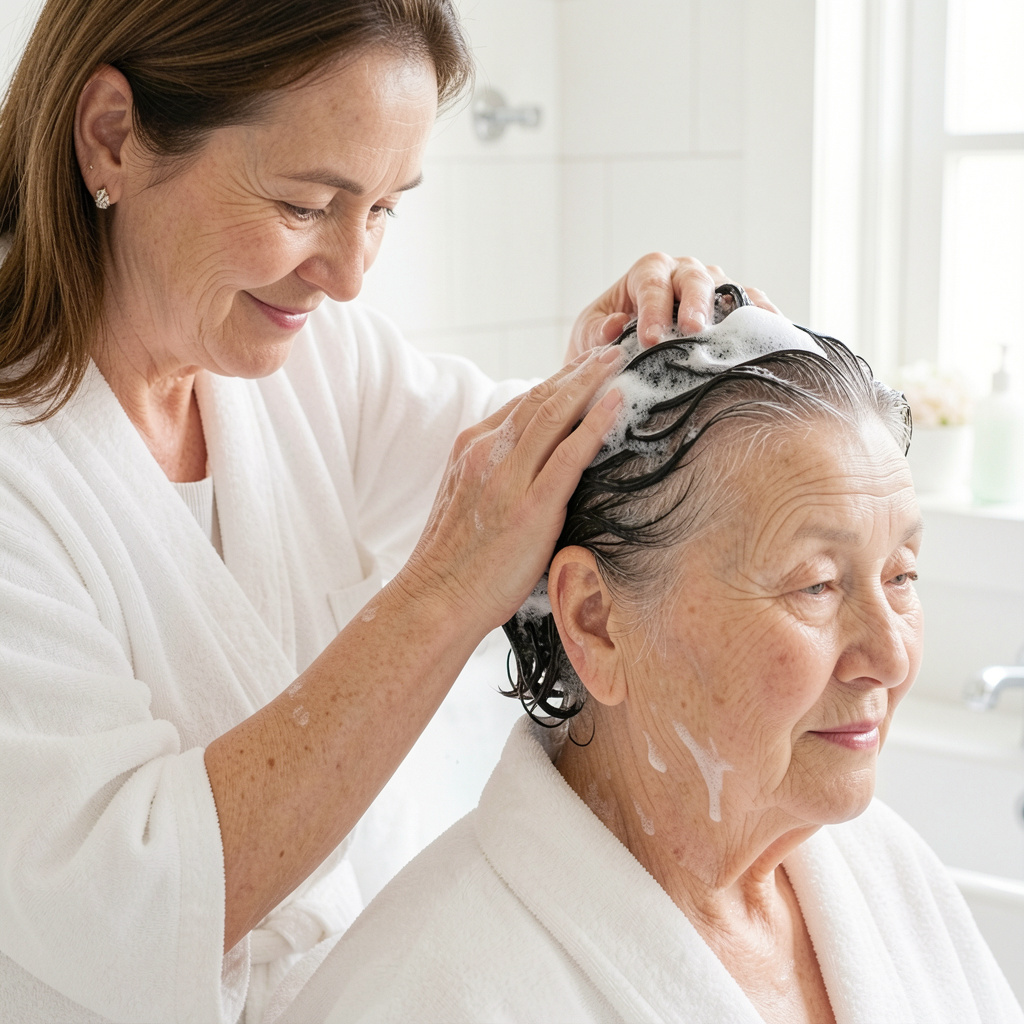
3. Make the Bathroom Safer
Bathrooms need extra attention.
-
Install grab bars near the toilet and shower
-
Use non-slip mats
-
Sit while bathing if needed
These small changes greatly reduce the risk of falls.
4. Keep Emergency Items Ready
Being prepared brings peace of mind.
-
Keep emergency phone numbers near the phone
-
Carry a mobile phone with you at home
-
Keep medicines and important documents in one place
Preparation helps you stay calm during emergencies.
5. Arrange Furniture for Easy Movement
Your home layout should support mobility.
-
Keep walkways wide and clear
-
Avoid sharp furniture edges
-
Place frequently used items within easy reach
A well-organized home reduces strain and risk.
Final Thoughts
Home safety helps older adults living alone feel secure, confident, and independent. With small adjustments and thoughtful habits, your home can continue to be a safe and comforting place.
Your safety matters. Your independence matters.