Choosing care for the elderly at home begins with trust. Families are inviting someone into a loved one’s private space, often during moments that require patience, respect, and sensitivity.
A good carer should offer support that feels safe, personal, and dignified, while also understanding the older person’s habits, routines, and comfort level.
This blog explains what families should look for in a carer and how the right support can make daily life at home feel calmer, safer, and easier.

What Makes a Good Carer?
A good carer is a valuable asset to an older person who lives at home and the family who supports them. A good carer is a unique person, they are excellent communicators and soon build a bond and a relationship with the older person they are caring for.
They’re kind, patient, have natural caring abilities, possess good judgement, they’re consistent, reliable, well trained and have good practical care and listening skills.
They soon get to know and understand the importance of the older person’s routines and can grasp tasks quickly, such as being able to understand the layout of your home, routines and preferences. Nothing is too much for a good carer.
A carer should know when to encourage independence, when to step in, when to report a concern, and when to give someone extra time. They should be organised and efficient and be able to win over the confidence and trust of your older loved one and their family.
In elderly care at home, the carer must understand that there maybe long standing routines, habits, memories, and their own ways of doing things. A person may want their mug placed on the left side of the table, their cardigan folded across the chair, or their curtains closed before tea.
These details may seem small, but they often help the older person feel comfortable and secure at home.
Why Daily Routines Are Important in Elderly Care
Daily routines matter for many older people. They give structure to their day, create a sense of purpose, and offer the security and comfort that familiar habits bring. A family member I care for has a morning routine that sets her up for the day. The day begins with tea in bed, followed by breakfast, personal hygiene, and grooming. I then help her to carry her books, handbag, and phone from the bedroom into the lounge.
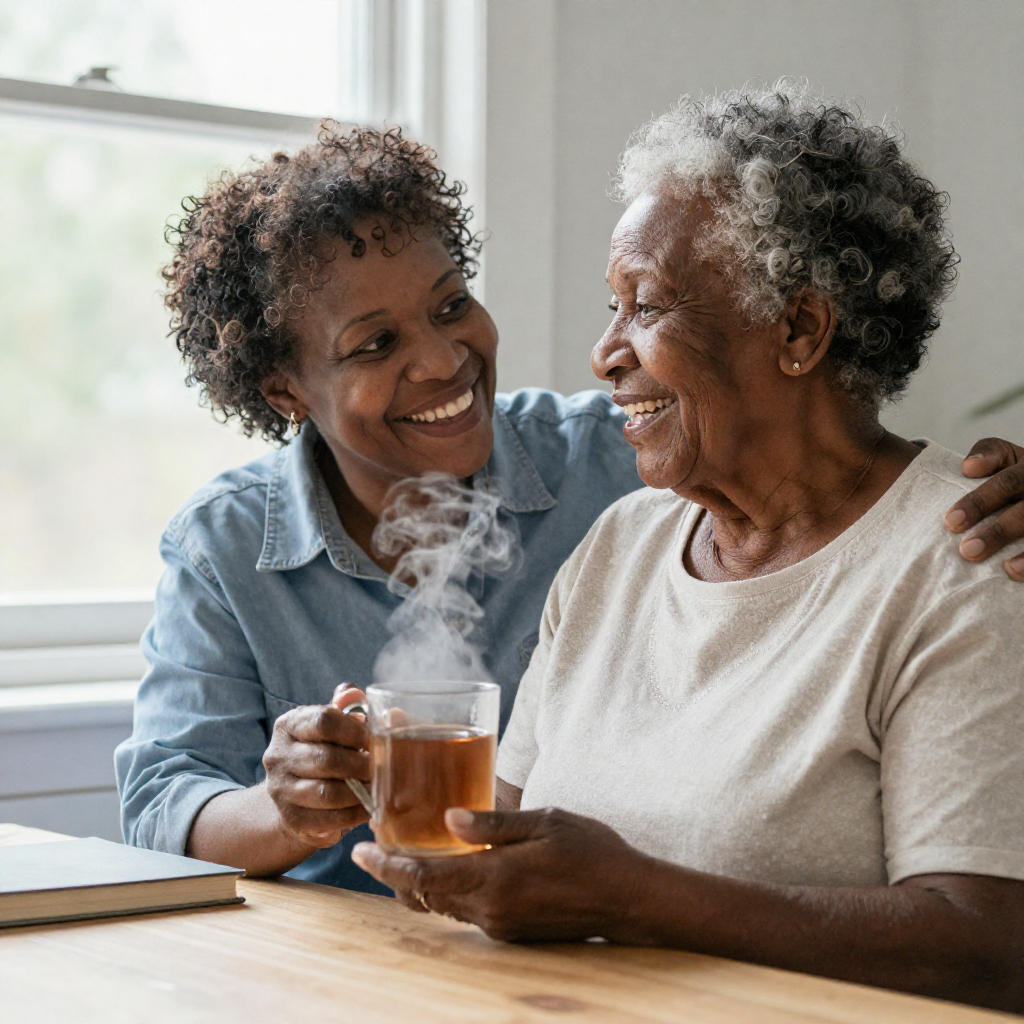
After her medication, she enjoys tea in her favourite cup and toast. I arrange the cushions on her favourite chair, and she settles with the daily paper until lunchtime.
This daily morning routine is so familiar that it now happens almost instinctively, and that’s exactly why it matters. For many older people, their daily routine is a form of independence, identity, and emotional security. It helps them feel grounded, reduces anxiety, and brings calm to the day.
Even small changes such as a late arrival, a later breakfast, a different order of tasks, or a missing item such as their glasses, a pen or their handbag can cause confusion, frustration, or emotional distress.
Understanding and respecting older people’s routines is one of the most important ways carers can support and offer comfort at home. A good carer understands this. They pay attention to the routine of the day, respect long-held habits, and avoid unnecessary changes.
Supporting an older person’s routine isn’t just about keeping things the same, it’s about protecting their sense of control, comfort, and wellbeing.

What A Good Carer Should Do Each Day
A carer should begin each visit with a respectful greeting and a quick check on the person’s comfort. They may ask if the person slept well, if they felt pain, if they need the toilet, and if they would like a drink before starting any tasks.
The care plan should contain all the details of a daily routine, a good carer will understand and follow this.
A Good Carer Follows the Care Plan
During each visit, the carer should follow the agreed routine exactly as outlined in the care plan If breakfast is included, they should prepare food the person can safely and comfortably eat. Someone with swallowing difficulties may need soft foods such as soups, or mashed food, small portions or thickened drinks like smoothies, depending on what is written in their care plan.
A person living with dementia may eat better from a familiar plate on a tray they always use, rather than a new tray or an unfamiliar set-up. These details matter as they help the older person feel safe, reduce anxiety, and ensure their nutritional and hydration needs are met.
A good carer pays attention to these small but important preferences and adapts the visit to support comfort, dignity, and wellbeing.
A Good Carer Is Always Thinking About Home Safety
A good carer is always thinking about home safety because even small risks can have big consequences for an older person.
They pay attention to trip hazards such as moving slippers that have been left near a door or at the bottom of the stairs, they check that all electrical appliances are switched off before they leave, make sure their alarm call is within easy reach, remove wet towels from the floor, make sure that floors are dry and not slippery, ensure that walking aids are within easy reach and check that the home is secure and safe before leaving.
A good carer ensures that the home environment is safe. These are basic things that a good carer will do instinctively. Carers should also be trained and understand how to follow safe moving and handling techniques, support mobility correctly, and use equipment exactly as the care plan describes.
Home safety isn’t a single task, it’s a mindset. A good carer is constantly observing, anticipating, and preventing risks so that the older person can feel secure, confident, and safe in their own home.
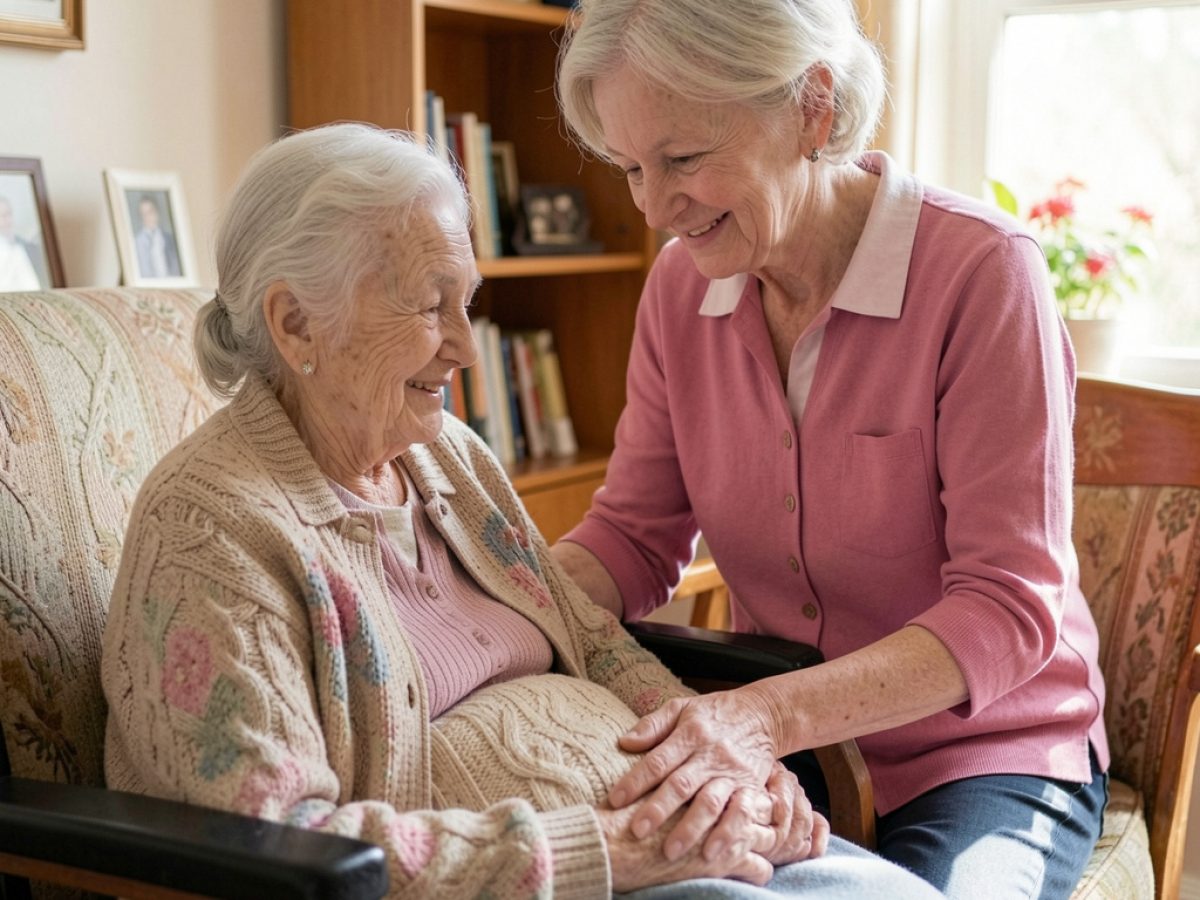
12 Top Qualities Of A Good Carer And How To Find One
Families should look for someone who is patient, respectful, dependable, observant, and able to make daily care feel safe, personal, and dignified. A good carer should be clean and presentable, observe PPE and cleanliness requirements in the home, ensure that they are familiar with all aspects of the Care Plan, they should be consistent, reliable, flexible and do their job well.
1. Compassion And Kindness
A good carer should always be kind. They greet the person by name, ask how they feel, speak at a pace the person can understand and avoid rushing.
For example, if an older person spills tea or drops food on the floor, the carer should clean it without blame. If someone feels embarrassed during personal care, the carer should protect their privacy and reassure them gently.
Kindness can also mean noticing discomfort before the person says anything. For example, a carer may notice that someone keeps pulling at their sleeve because they feel cold, or that they stop eating because their dentures hurt. These small signs matter and a good carer will be able to observe these signs and give feedback to the family about them.
2. Understanding The Care Plan
A good carer should read and follow the care plan before starting visits. The care plan may say that the person needs thickened drinks, needs to use a walking frame or stick, have soft foods, needs two pillows at night, or help checking blood sugar reminders. Ignoring these instructions can create risk.
A good care plan for elderly at home should include personal preferences as well as care tasks. For example, it might say that the person becomes anxious if curtains are closed too early, eats better with a small spoon, or calls the toilet “the bathroom,” These details help care feel familiar and safe.
3.Patience During Daily Care
A carer needs to have patience and empathy because many elderly people are slow in their actions and take longer to move, eat, dress, or answer questions. A person with Parkinson’s may freeze while walking through a doorway.
A person with dementia may ask the same question several times over, a good carer should not become sharp, sigh, or finish every task for them just because it’s easier for them. They should give simple prompts, wait, and help at the right moment.
For example, if an older person needs ten minutes to button a shirt, a patient carer may help with the first button and then let the person finish the rest. This protects confidence while still offering support.
4. Clear Communication
A good carer explains what is happening before they do anything. For example, they might say, “I am going to help you stand now. Place both feet flat on the floor and we will move together.” They also check that they are understood instead of making assumptions that the person has understood what they are saying.
With hearing loss, the carer should face the person, reduce background noise, and use short, respectful sentences. A good carer also communicates with families in plain, useful language. Instead of saying “everything was fine,” they might say, “She ate half her soup, drank one glass of water, seemed tired after walking to the bathroom, and asked for her daughter twice.”
That kind of update helps families understand what has happened after each visit. Communication should be clear, and messages should be repeated back to make sure that they are received and understood.
Communicating with families is also important. A useful daily update should include meals, drinks, medication prompts, mood, mobility, pain, toileting concerns, and anything unusual, such as becoming unexpected emotional outbursts, complaining about pain in the hands or refusing to eat food that you know they like and is familiar to them.
5. Respect For Dignity And Privacy
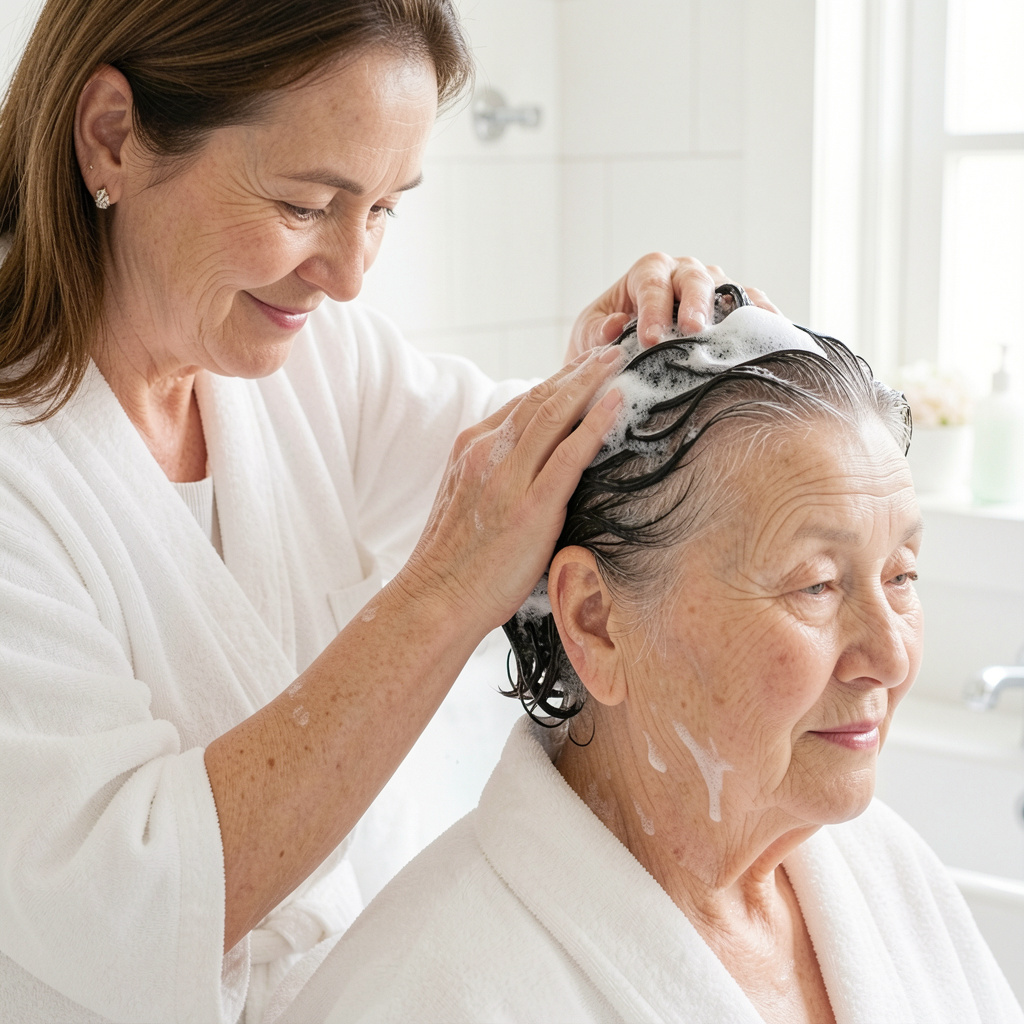
A carer may help with bathing, dressing, toileting, continence pads, or changing clothes. These moments require privacy. A respectful carer closes doors, covers the person where possible, asks permission before touching, and never discusses personal care in front of visitors without consent.
Respect also includes personal choice. If someone wants to wear the same cardigan every morning, a good carer should not dismiss that preference. Familiar clothing, smells, objects, and routines can help older people feel secure.
6. Consistency, Reliability And Punctuality
A reliable carer arrives on time and keeps to a consistent routine, because daily care is closely linked to meals, medication, toileting, and appointments. When a morning visit is late, it can unsettle an older person, can make them feel anxious and upset their normal daily routine.
An older person may have their breakfast at the same time each day, need medication at a set hour, or rely on timely continence support, so reliability and punctuality are important for good quality home care.
Consistency of care is one of the biggest concerns families have when arranging care in the home. A dependable carer also communicates well. If there is ever a delay, they let the family know before the scheduled visit, not after the time has passed. This allows loved ones to be reassured and prevents unnecessary worry or confusion.
Reliability also means following the same steps during each visit. If the care plan says the person needs a glass of water before medication prompts, that step should never be skipped because the carer is in a hurry. Good care is built on routine, respect, and attention to detail.
7. Careful Observation
A good carer notices changes that others may miss. Examples include new bruises, swollen ankles, confusion, reduced appetite, unopened medication packs, fewer bathroom visits, or a change in walking. They should record and report these concerns through the agreed process.
Observation can also include emotional changes. If someone who usually talks through breakfast and suddenly eats without speaking, refuses tea, or asks to return to bed early, the carer should treat this as useful information and act accordingly.
8. Safe Medication Support
If medication support is included in the care plan for elderly at home, the carer must follow the prescription instructions exactly. They should check that the medication is administered correctly, or prompted if it is self-administered, at the right time and record this.
They should never guess if tablets look different. They should never miss administering medication even if they are new or late. A carer may need to check blister packs, medication labels, and MAR Chart (A MAR Chart is a Medication Administration Record), It is a formal, legal document used in health and social care settings, to track and log all medications given to a person.
If medication is refused, dropped, missing, found on the floor, or already taken, the carer should report it immediately. They should never hide mistakes or assume the next visit can fix the problem.
9. Good Hygiene and Cleanliness
Good hygiene protects the older person and the carer from infections. A carer should wash hands before food preparation, after personal care, after handling continence items, and after cleaning spills.
They should use gloves and aprons where required, dispose of continence pads safely, clean bathroom surfaces after personal care, clean over kitchen areas, and keep food areas hygienic.
For someone with a weaker immunity, poor hand hygiene can cause avoidable illness. For someone with mobility issues, a wet bathroom floor or spilled drink can also increase fall risk.
10. Flexibility When Needs Change
Care needs can change gradually or even suddenly. Someone who once needed companionship may later need help with bathing, meal preparation, or memory prompts. A good carer notices patterns, such as increased sleep, new confusion at sunset, missed meals, or difficulty standing. These observations help the family adjust the care plan for elderly at home.
For example, if a person starts leaving food untouched, the issue may be poor appetite, dental pain, swallowing difficulty, low mood, or confusion with cutlery. A good carer reports the pattern instead of assuming the person is being difficult.
11. Positive Attitude
A positive attitude means the carer brings calm encouragement into the home. If an older person refuses breakfast, the carer can offer a small alternative, such as yoghurt, toast, or soup later, instead of making the person feel difficult. If someone feels` low, the carer can suggest a familiar song, a photo album, or a short walk. A carer should stays respectful and calm even during harder more demanding moments.
12. Emotional Warmth and Reassurance
A warm carer remembers that someone likes tea at the same time each day, prefers the hallway light on at night or enjoys talking through old family photographs.
Emotional warmth helps care feel more comforting and supportive. This matters especially when caring for elderly at home because some older people may see the carer more often than anyone else during the week. A short conversation can make the visit feel less clinical and feel less like the carers is a stranger in the home.
A Good Carer Checklist – What To Look For
| What To Look For | Good Carer - Signs in the Home |
|---|---|
| Clear Communication | The carer explains each task and tells the family exactly what happened during the visit. |
| Consistent Care | The carer remembers routines, such as tea preference, bathroom timing, and favourite meals. |
| Respectful Behaviour | The carer asks before opening drawers, moving clothing, helping with personal care. |
| Punctuality | The carer arrives when expected and gives early notice if delay happens. |
| Safety Awareness | The carer removes trip hazards, checks walking aids, and reports unsafe areas. |
| Emotional Warmth | The carer talks with the person instead of working around them in silence. |
| Proper Training | The carer follows moving, hygiene, dementia, medication, and emergency instructions correctly. |

Communication Should Feel Open and Reassuring
Families should receive useful updates, especially after personal care, meals, medication prompts, falls, refusals, or mood changes.
A helpful update might say, “He refused porridge but ate toast, drank one glass of water, used his frame safely, and seemed worried when he could not find his wallet.”
Good care visiting guidance should explain who receives these updates, how concerns are recorded, and what happens during emergencies.
Families should always know who to contact if a visit is missed, if medication is refused, or if the older person seems unwell.
Good Home Care Should Support Independence
Good elderly care at home should help the person do what they can safely. A carer may set out clothes but let the person choose between a blue jumper and a grey cardigan. They may place toothpaste on the brush but let the person brush their own teeth. They may walk beside someone rather than pulling them along.
The carer should not take over every task simply because it is faster. Safe independence can help an older person be more capable, especially after illness, injury, or memory changes.
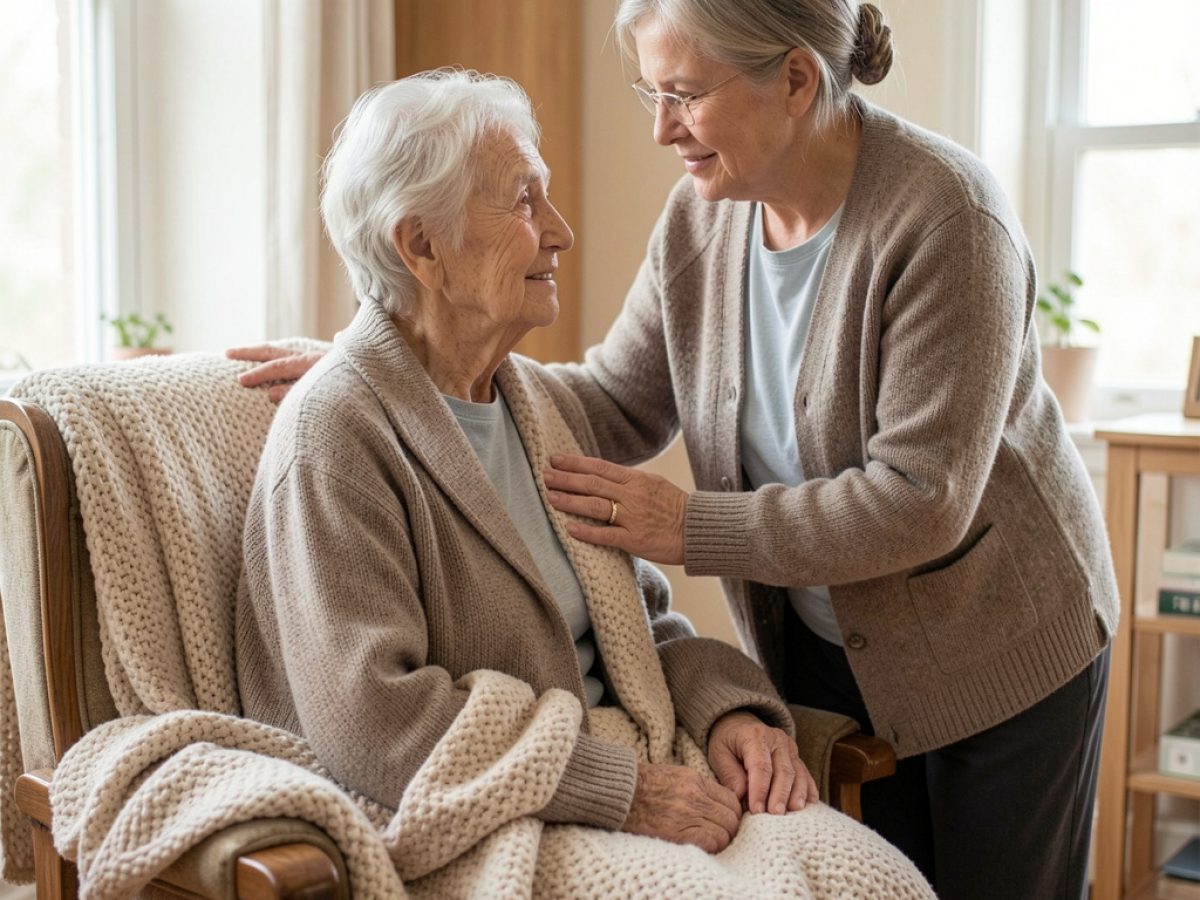
Warning Signs Families Should Not Ignore
| Red Flag | Specific Example |
|---|---|
| Missed Visits | The person is left waiting for breakfast, toileting help, or medication prompts. |
| Rushed Care | The person is washed quickly without privacy, comfort, or explanation. |
| Poor Communication | The family receives vague updates such as “all fine” despite concerns. |
| Frequent Carer Changes | The person becomes unsettled because new carers do not know routines. |
| Dismissive Behaviour | The carer laughs at confusion, ignores pain, or talks over the person. |
| Ignoring Preferences | The carer gives disliked food, moves belongings, or changes routines unnecessarily. |
| Poor Hygiene | Gloves, handwashing, food safety, or bathroom cleaning are handled badly. |
| Medication Confusion | The carer cannot explain what was prompted, refused, or recorded. |
Questions To Ask Before Choosing A Carer
- Will I have the same carer all or most of the time?
- How does the care scheduling work?
- If your loved one has Dementia, you’ll need to know what dementia training has the carer completed, and how do they respond when a person uses personal words for items, such as calling tissues “soft paper” or a handbag “school bag”?
- How will the carer learn the older person’s preferred names for food, rooms, clothing, people, and daily items?
- Has the carer supported someone with similar needs, such as dementia, Parkinson’s, diabetes, stroke recovery, continence care, poor mobility, anxiety, or swallowing difficulty?
- How are medication prompts recorded, and what happens if tablets are refused, dropped, missing, found on the floor, or already taken? Will the carer use a MAR chart, blister pack, medication list, or another record during visits?
- How will the carer know the safest way for your loved one to stand, walk, use a frame, sit down, or move through doorways?
- How are food and drink preferences recorded, such as water drinking, disliked foods, soft food needs, thickened drinks, or mealtimes?
- What do they do if the older person refuses personal care, food, medication prompts, or help with getting dressed?
- How will the carer protect privacy during bathing, toileting, continence care, dressing, or changing clothes?
- How are small health changes reported, such as new bruises, rashes, swollen ankles, stronger confusion, reduced appetite, pain, damp clothing, or fewer bathroom visits?
- What happens if the carer is late, unavailable, or unable to attend the visit?
- What do they do after a fall or have a medication concern, refusal of care, sudden confusion, or missed visit?
- How often is the care plan for elderly at home reviewed, and who updates it when needs change?
- Can the care package for elderly at home be changed if the person starts needing longer visits, night support, memory prompts, or extra personal care?
- How does the care agency match a carer with the older person’s personality, language needs, routines, and comfort level?
- What is the standard of training, and how often is this updated?
- Will they spend any introductory time with my loved one before the first care visit?
- What would happen in emergencies, how would the carer deal with this?
My Final Thoughts
A good carer is a valuable person to a family, and their loved one who is being cared for. They quickly build a bond and a relationship and win the trust and respect of the family in no time.
They make daily life safer and calmer for an older person at home. The best carers are compassionate, patient, dependable, observant, respectful, and professionally trained. They understand and follow the care plan, communicate with families, and remember the small details that make care feel personal.
A good carer knows what to do and they their job well. Nothing is too much trouble for them as their focus is on caring for your loved one. Good carers are clean, tidy and always respect the home.
The right carer understands personal routines, learns unusual words or preferences, protects dignity, and reports changes properly. Good care should feel safe, human, consistent, and respectful inside the place the older person knows best.